Remember when your Pixel phone felt like a perfectly tuned instrument? That satisfying haptic feedback, the buttery smooth 90Hz or 120Hz display scrolling, the instant camera launch? For a growing number of Pixel owners, that experience is getting buried under layers of AI features they didn’t ask for. What’s supposed to make their phones smarter is actually making them feel slower and more frustrating to use.
The Viral Reddit Thread That Captured the Mood
A Reddit post titled “Does anyone feel like AI is ruining the Pixel experience?” has been gathering hundreds of upvotes and comments. The sentiment is clear. One user put it bluntly, saying they “can’t stand this phone anymore” and would actually prefer their older Pixel 7 over the current AI-heavy model. This isn’t just casual complaining. It’s a detailed list of grievances about how Google’s deep Gemini integration has changed fundamental interactions.
Tapping the G pill at the bottom of your screen? It now launches a full-screen Gemini page that feels laggy compared to the instant Google Search overlay. Need to edit a screenshot? You’ll face extra taps as AI tools insert themselves into the workflow. There’s even a dedicated AI button sitting where people expect normal Google search functionality. These aren’t minor tweaks. They’re core interface changes that affect muscle memory built over years.
This “AI-ification” Isn’t Just a Pixel Problem
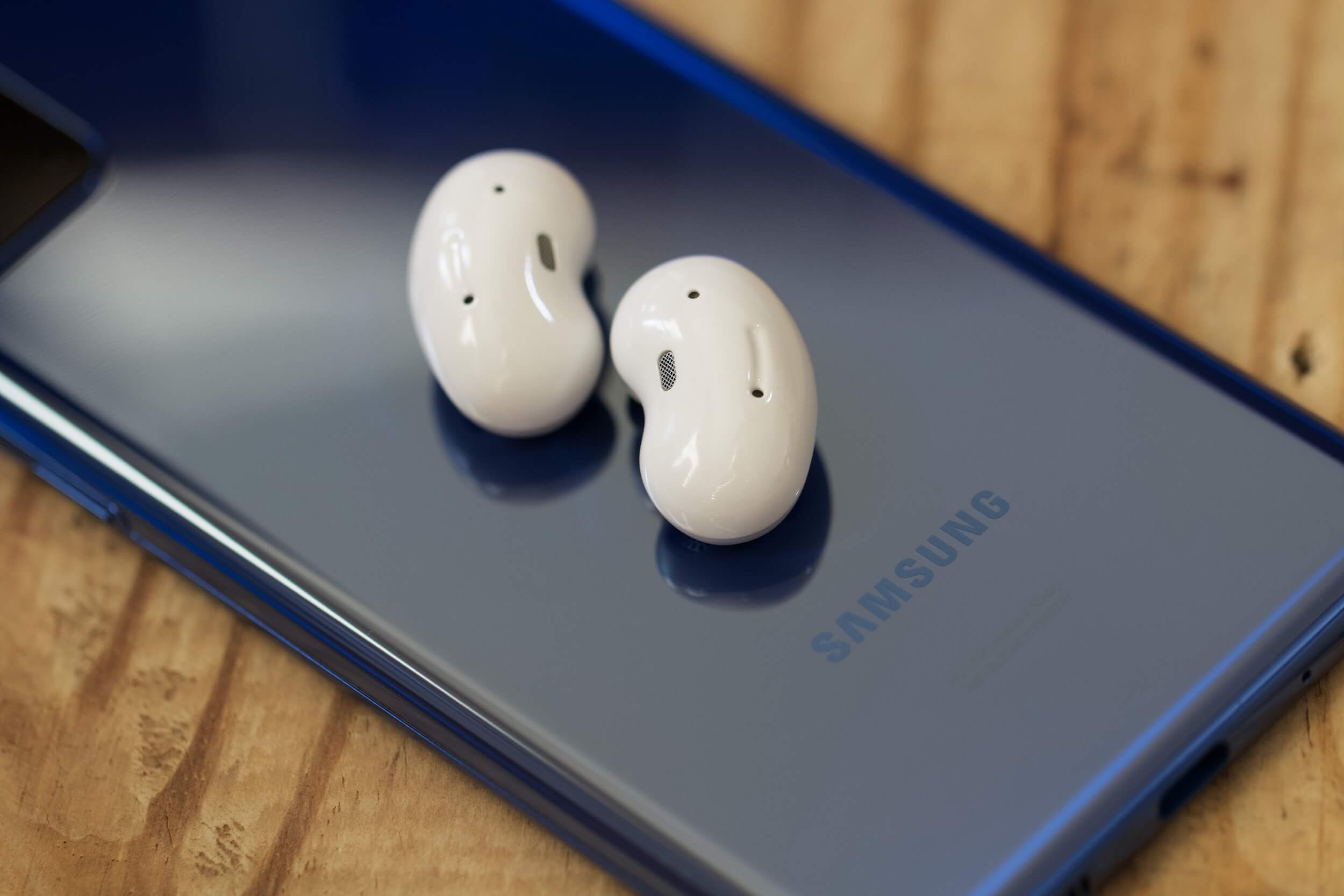
Google isn’t operating in a vacuum here. Across the Android ecosystem, manufacturers are racing to bake AI into every layer of their software. Samsung’s Galaxy AI is creating similar frustration for some users who feel their phones prioritize on-device AI tricks over basics like reliable battery life and consistent camera performance.
But Pixel users feel the impact most acutely because Gemini and AI shortcuts aren’t just optional features. They’re nearly integrated into every part of the interface. Long-time fans describe the situation as “slopification” of the experience. They argue features like auto-summaries and AI suggestions often exist to keep people tapping and scrolling rather than actually helping complete tasks efficiently.
The Daily Impact on Real Users
Let’s talk about what this means for your actual day. That beautiful OLED display with its perfect blacks and vibrant colors? It’s now occasionally interrupted by AI pop-ups you didn’t request. The Tensor chip that should deliver snappy performance? It’s sometimes bogged down processing AI tasks in the background. Even battery life can take a hit when AI Core and Android System Intelligence are constantly running.
Some users have resorted to disabling as much AI as possible through Settings, turning off AI Core and Android System Intelligence entirely. Others are considering switching away from Pixel completely. They want phones that feel less “AI first” and more focused on speed, stability, and predictable behavior. There’s a growing appreciation for devices that prioritize reliable performance over flashy but half-baked AI features.
The Industry-Wide Tension
From my years covering consumer electronics, I’ve seen this pattern before. Companies get excited about new technology and push it hard, sometimes before the user experience is fully polished. Google’s AI-everywhere strategy represents a clear tension with users who just want fast, predictable phones that work consistently.
For people longing for the simpler Pixel 7 experience, the current direction feels like a step backward. Meanwhile, Google keeps expanding AI features, doubling down despite the growing Pixel AI backlash. It’s a classic case of technology push versus user pull.
What’s Next for Pixel Fans?
The conversation happening on Reddit and tech forums isn’t going away. As more users experience this clamoring for their simpler phones back, Google will need to listen. The best technology should feel invisible, enhancing your experience without getting in the way. Right now, for many Pixel owners, the AI features feel very much in the way.
Maybe the solution is better implementation. Maybe it’s making these features truly optional rather than baked into core functions. Or perhaps it’s recognizing that sometimes, simpler is better. After all, what good is a phone that can summarize articles if basic tasks like editing screenshots or launching search feel slower and more complicated?
The Pixel line built its reputation on clean software, excellent cameras, and thoughtful design. As Google navigates this AI integration challenge, they’d do well to remember what made people love Pixels in the first place. Sometimes the smartest move isn’t adding more features. It’s making sure the ones you have work flawlessly.