| Metric | Value | Unit | Notes |
|---|---|---|---|
| Folded Thickness | 6 | mm | Rumored measurement when closed |
| Unfolded Thickness | 12 | mm | Rumored measurement when open |
| Weight | 170 | g | Lighter than most standard smartphones |
| Processor (SoC) | Exynos 2600 | — | 2nm process technology |
| RAM / Storage | 12 / 256-512 | GB | Base model starts at 256GB |
| Battery Capacity | 4,300 | mAh | Or higher, meaningful bump from Z Flip 7 |
| Launch Price | $1,100 | USD | Expected to match Z Flip 7 launch price |
| Expected Launch | Summer 2026 | — | Likely July based on Samsung’s schedule |
Remember that awkward bulge in your jeans pocket? The one that made you feel like you were carrying a folded brick instead of a phone? Samsung apparently does, and they’re determined to fix it. Early rumors about the Galaxy Z Flip 8 suggest the company’s next flip phone could be its slimmest yet, potentially measuring around 6mm when folded and 12mm when unfolded. That’s roughly 10% thinner than the Z Flip 7, and it changes everything about how a foldable feels in your pocket.
The Pocket Revolution
Let’s talk about that 170g weight for a moment. For context, that’s lighter than most standard smartphones today, despite the Z Flip 8 packing two screens. Think about slipping this into your tightest jeans without that telltale rectangular outline. The weight reduction isn’t just about numbers on a spec sheet, it’s about that moment when you forget you’re carrying a foldable at all.
Samsung’s engineers aren’t just chasing thinness for its own sake. They’re working on reducing the screen crease visibility and boosting overall durability, addressing two of the most persistent complaints about foldable phones in general. The hinge mechanism, that critical component that determines a foldable’s lifespan, is reportedly getting another refinement cycle. From what we’ve seen in the supply chain, Samsung’s hinge suppliers have been working on reducing the number of moving parts while increasing reliability.
Performance That Doesn’t Compromise
Under the hood, things get even more interesting. The Galaxy Z Flip 8 might pack the Exynos 2600 chipset built on 2nm process technology. This is the same chip expected in the Galaxy S26 series, which tells you something about Samsung’s confidence in their foldable lineup. They’re not treating the Z Flip as a secondary product anymore.
Pair that Exynos 2600 with 12GB of RAM, and you’ve got smooth multitasking without the usual foldable compromises. Storage options should start at 256GB and go up to 512GB for those who need the space. What’s particularly notable here is how Samsung appears to be aligning their chip strategy across devices, something that should simplify software optimization and potentially extend update support.
Battery Life That Actually Lasts
Battery life gets a meaningful bump to 4,300mAh or higher, which should handle a full day of social media scrolling and video calls without hunting for a charger by dinner time. That’s a smart move considering the Z Flip 7’s battery already improved over previous models. We’ve seen how battery expectations have shifted across the industry, and foldables can’t afford to lag behind.
Picture this: you’re out for the day, taking photos, responding to messages, maybe even watching a quick video during lunch. With that 4,300mAh battery, you shouldn’t need to think about power until you’re winding down for the evening. It’s about removing that low-battery anxiety that plagues so many modern smartphones.
Competitive Positioning and Timeline
Pricing’s expected to stay around $1,100, matching the Z Flip 7’s launch price. That keeps Samsung competitive against Motorola’s Razr lineup while maintaining the premium flip phone experience. Look for a summer 2026 launch, likely July if Samsung sticks to its usual schedule.
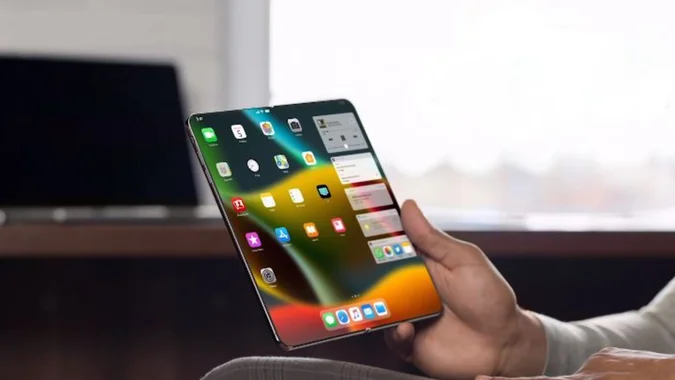
What’s fascinating here is how the foldable market is evolving. While Samsung refines the flip form factor, Apple’s approach to foldables appears to be taking shape too. The competition is heating up, and that’s ultimately good for consumers.
The display technology deserves special mention. Samsung’s foldable displays have come a long way since the original Galaxy Fold. The crease has become less noticeable with each generation, and durability improvements mean fewer reports of screen protector issues or display failures. For the Z Flip 8, we’re likely looking at another iteration of Samsung’s Ultra Thin Glass technology, possibly with improved scratch resistance and better light transmission.
The Everyday Experience
Let’s bring this down to the daily experience. You’re at a coffee shop, and you get a notification. Instead of pulling out a slab phone, you flip open the Z Flip 8 with one hand. There’s something satisfying about that motion, something that regular smartphones lost years ago. The haptics matter here too, that subtle click when it snaps shut, the vibration feedback that feels precise rather than buzzy.
Software optimization will be crucial. Samsung’s One UI has gotten better at handling the unique aspects of foldables, but there’s always room for improvement. The cover screen functionality, app continuity when folding and unfolding, and multitasking features all need to feel seamless rather than gimmicky.
If these rumors pan out, the Galaxy Z Flip 8 could finally deliver the portable flip phone Samsung’s been chasing since the original Z Flip. It’s not just about being thin or light, it’s about creating a device that disappears into your life until you need it, then works flawlessly when you do. That’s the promise of foldables done right, and based on these early indicators, Samsung might be getting closer than ever.