| Metric | Value | Unit | Notes |
|---|---|---|---|
| Outer Display Size | 5.5 | inch | 83.8mm wide, 120.6mm tall when folded |
| Inner Display Size | 7.76 | inch | 167.6 x 120.6mm unfolded |
| Inner Display Resolution | 2,713 x 1,920 | pixels | Nearly matches iPad mini pixel density |
| Thickness (Folded) | 9.6 | mm | Includes camera bump |
| Thickness (Unfolded) | 4.8 | mm | Excluding camera bump |
| Frame Material | Titanium & Aluminum | — | Mixed construction for durability |
| Rear Camera System | Dual | lens | Similar to iPhone 17 setup |
| Front Camera | Under-display | — | No visible notch or hole-punch |
| Expected Launch | September 2026 | — | Codenamed V68 |
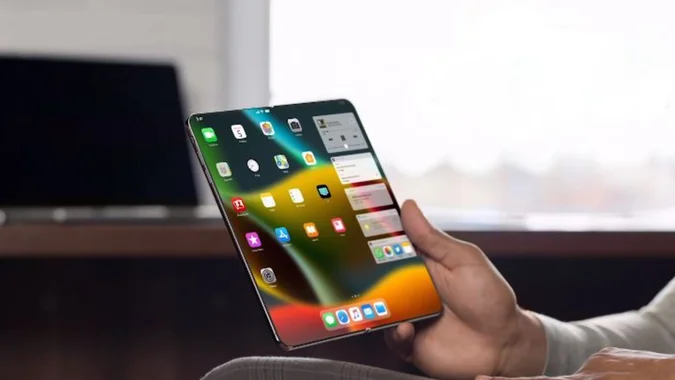
Picture this. You’re slipping a device into your jeans pocket that feels more like a compact wallet than today’s towering smartphone slabs. Then you unfold it, and suddenly you’re holding what feels like an iPad mini, complete with enough screen real estate for split-screen apps, note-taking, or just getting lost in your favorite show. That’s the promise leaking out from Apple’s engineering labs, where CAD renders of their first foldable iPhone, codenamed V68, are painting a picture of a device that might just get the folding formula right.
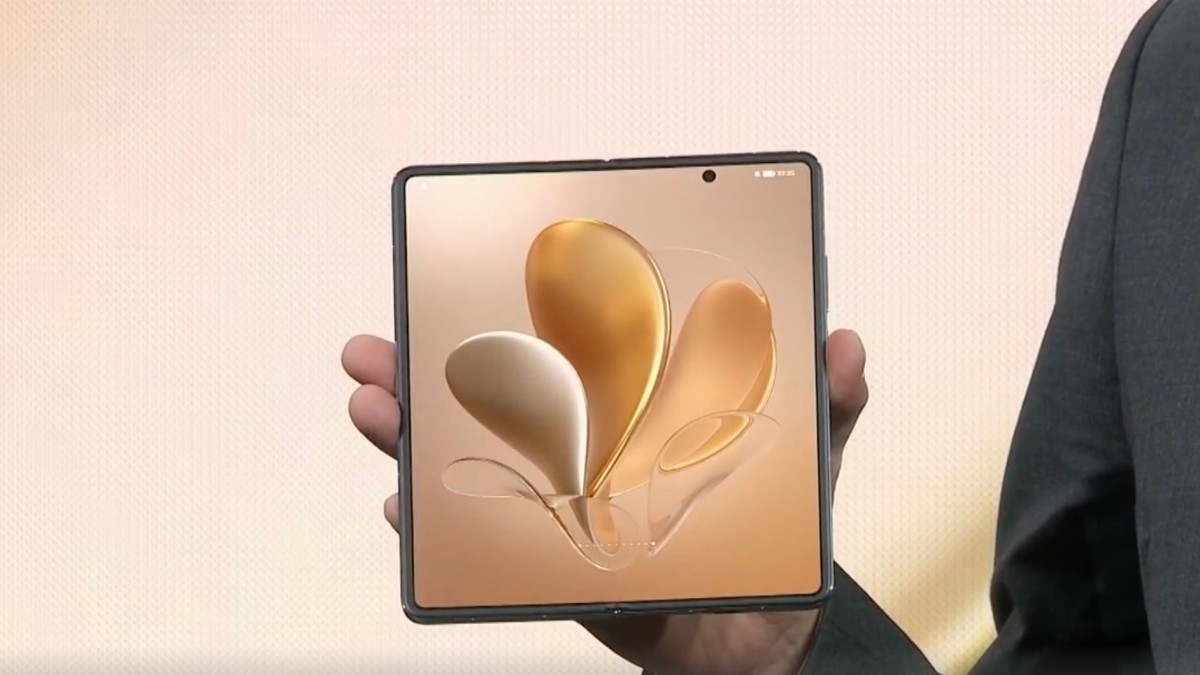
The leaked dimensions tell a story of thoughtful design. When folded, the device measures 83.8mm wide and 120.6mm tall, creating a wider-than-tall orientation that actually fits in side pockets without that awkward, top-heavy feeling. It’s a small detail that makes a big difference in daily carry. Unfolded, it expands to 167.6 x 120.6mm, delivering a 7.76-inch inner screen with a sharp 2,713 x 1,920 resolution. That’s essentially iPad mini territory in a package that folds in half.
The Crease-Free Promise
Here’s where Apple’s engineering patience might pay off. While competitors have raced to make their foldables thinner, these CAD leaks suggest Apple is prioritizing something more fundamental, a truly crease-free experience. At 4.8mm thin when open (excluding the camera bump), it’s actually slimmer than the ultra-slim iPhone Air. But the real magic happens in those laser-drilled microstructures that Samsung reportedly couldn’t crack.
Think about watching a movie or reading an article without that distracting line down the middle. It’s the kind of refinement that makes a folding screen feel less like a compromise and more like the natural evolution of display technology. The tradeoff? At 9.6mm thick when folded, it’s slightly chunkier than Samsung’s Galaxy Z Fold 7 at 8.9mm closed. But that extra millimeter accommodates the engineering required to make the crease disappear completely.
Build Quality That Feels Like Apple
The mixed titanium and aluminum frame speaks to Apple’s material science approach. Titanium brings that premium heft and durability we’ve seen in recent Pro models, while aluminum keeps weight manageable. The wider folded stance creates what early impressions describe as a “squarer profile” that feels less like a traditional phone and more like a mini tablet folded in half.
This design choice isn’t just about aesthetics. It makes the device easier to grip horizontally and enables better one-handed use when closed. If you’ve ever struggled with the tall, narrow outer displays on competing foldables, Apple’s approach directly addresses that pain point. The result is a device that should feel natural in hand whether you’re quickly checking notifications on the outer screen or settling in for a longer session with the inner display.
Camera System and Daily Experience
Camera specs point to a dual rear setup similar to what we expect from the iPhone 17, prioritizing quality over quantity. But the more interesting development is on the inner screen, where an under-display selfie camera creates an uninterrupted viewing experience. No visible notch, no hole-punch distraction, just clean screen real estate for media consumption and video calls.
Imagine unfolding this device on a flight to watch a movie without any camera cutouts breaking the immersion. Or using it for video conferences where the camera seamlessly disappears when not in use. It’s these small details that add up to a premium experience.
How It Stacks Up Against the Competition
When you compare the specs above to Samsung’s current offerings, Apple’s approach becomes clear. While Samsung’s Galaxy Z Fold 7 measures 8.9mm closed and 4.2mm open, making it slightly thinner, Apple appears willing to sacrifice that last millimeter for a crease-free display. It’s a classic Apple move, prioritizing the experience over the spec sheet.
Recent rumors about Samsung’s upcoming foldables suggest they’re also chasing thinner designs, but Apple seems focused on solving the fundamental display quality issue first. The wider folded design also contrasts with Samsung’s taller approach, potentially offering better ergonomics for one-handed use.
The Production Reality Check
Before you start counting down to September 2026, there’s an important context to consider. Creating a truly crease-free folding display at scale isn’t just an engineering challenge, it’s a manufacturing marathon. Industry sources suggest that Apple’s foldable iPhone faces production hurdles that could make early units scarce.
The laser-drilled microstructure technology required for that crease-free experience is reportedly difficult to manufacture at high yields. This isn’t just about making a great product, it’s about making enough of them to meet what will undoubtedly be massive demand. Some analysts believe that even with a 2026 launch window, finding one before 2027 might feel like winning the lottery.
Why This Feels Different
What stands out in these CAD leaks isn’t just the specs, it’s the apparent learning from years of watching competitors navigate the folding market. Apple waited while Samsung, Google, and others worked through early-generation growing pains. They watched as users complained about visible creases, fragile hinges, and awkward outer displays.
Now, if these renders prove accurate, Apple appears ready to enter the market with solutions to those very problems. The crease-free display, the practical folded dimensions, the under-display camera, they all suggest a company that studied the market carefully before making its move.
The wider folded design makes it feel less like a phone trying to become a tablet and more like a tablet that conveniently folds into phone size. It’s a subtle but important distinction that could make this device feel more natural in daily use. Whether you’re quickly responding to messages on the outer screen or unfolding for more immersive tasks, the transition should feel seamless.
As we look toward that 2026 timeline, one thing becomes clear. Apple isn’t just entering the foldable market, they’re attempting to redefine what a folding device should be. Not the thinnest, not the first, but perhaps the most refined. The device that makes folding feel less like a novelty and more like the obvious next step in how we interact with our technology. And if these CAD leaks are any indication, they might just pull it off.