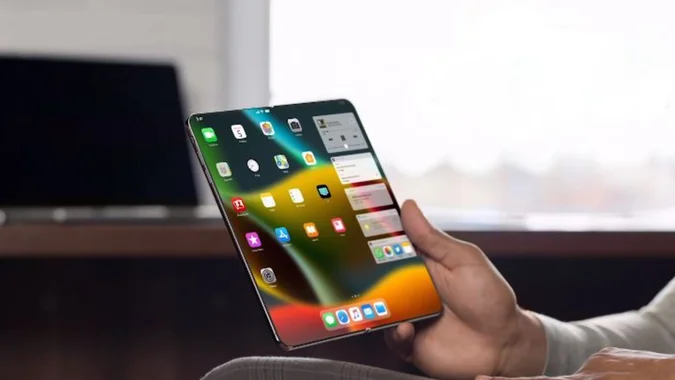
Picture this. You’ve been tracking the rumors for years, imagining that moment when Apple finally unveils its first foldable iPhone. The sleek hinge action, the satisfying snap when it closes, the expansive screen that somehow still fits in your pocket. According to trusted analyst Ming-Chi Kuo, that moment is still coming in late 2026. But here’s the reality check that might dampen your excitement. Actually getting your hands on one could feel like winning the lottery well into 2027.
The Manufacturing Mountain Apple Has to Climb
Let’s talk about why foldables are such a different beast from the slab phones we’re used to. It’s not just about bending a screen. The engineering challenge sits in that tiny space between the two halves, where the hinge lives. Apple is reportedly still finalizing their hinge mechanism, and this isn’t just a minor component. It’s a symphony of ultra-thin glass layers, specialized OLED panels that can withstand hundreds of thousands of folds, and a mechanical system that needs to feel premium from day one to day one thousand.
Early production yields for these components are notoriously low. Think about it. A single microscopic defect in the display’s folding area, a slight misalignment in the hinge, and the entire unit might be scrapped. This isn’t like ramping up production on a new iPhone color. It’s building an entirely new category of device from the ground up, and Apple’s legendary quality control means they won’t ship anything that doesn’t meet their exacting standards. As we’ve seen in previous production reality checks, this cautious approach directly translates to very conservative initial production volumes.
What This Means for Your Wallet and Your Wait Time
So you’re mentally prepared to camp out online or refresh the Apple Store app come launch day. Even if you do, you might be staring at a “Ships in 8-10 weeks” message. Kuo’s analysis suggests constrained supply will likely stretch through the end of 2026 at minimum. If demand matches the expected frenzy Apple’s entry into the foldable market will create, launch-year stock could vanish in minutes.
This scarcity has real consumer consequences. Smaller markets might see extremely limited allocations. Want a specific storage tier or that new, exclusive color? You could be waiting months. The device will almost certainly carry an ultra-premium price tag, positioning it as a halo product. In its first year, the foldable iPhone might function less as a mainstream device and more as a tech status symbol, a proof-of-concept that legitimizes the category for the average buyer while remaining just out of reach.
Some users might look at the projected timeline and decide to skip this first-generation model entirely, especially if rumors of a crease-free iPad Mini-like experience point to even better durability or wider availability in a second-generation device. Why fight for limited stock now when a refined version could be just around the corner?
The Ripple Effect Across the Foldable Market
Apple’s entry changes everything, but their slow ramp-up creates a fascinating window for competitors. Samsung’s Galaxy Z Fold series, Google’s Pixel Fold, and other Android foldables get extra breathing room to solidify their market share. They can tout their established durability records, refined software experiences, and most importantly, actual availability.
Samsung in particular has been iterating on its hinge and display technology for years. While Apple perfects its first attempt, Samsung is already rumored to be working on its thinnest and most refined foldable yet. This head start in mass production and supply chain maturity is a tangible advantage that could last through 2027.
The Long Game for Apple and Its Fans
For Apple, this isn’t necessarily a failure. It’s a calculated, characteristically Apple approach. They’d rather launch late with a product that feels flawless in the hand than rush to market and risk damaging the brand’s reputation for quality. Remember the first Apple Watch or the original iPhone? Both had their limitations and supply constraints, but they established categories that Apple would later dominate.
The company will gradually ramp up production as their manufacturing partners gain experience and yields improve. Kuo forecasts the foldable iPhone selling in the “teens of millions” by 2027, suggesting a slow but steady climb from exclusive early adopter toy to true mass-market device.
So what’s the takeaway for someone dreaming of a folding iPhone? Start saving that premium budget now. Manage your expectations for launch day availability. And maybe keep an eye on the used market in early 2027. The first Apple foldable is coming, but for most of us, the real experience of owning one might be a 2027 story, not a 2026 one. In the meantime, the entire smartphone industry will be watching, learning, and competing in a market that’s about to get a whole lot more interesting.