You know that feeling when you pick up your phone for a quick search or to edit a screenshot, and instead of the snappy response you expect, you’re greeted with a laggy full screen AI assistant you didn’t ask for? That’s exactly what’s happening to a growing number of Pixel owners, and the frustration is reaching a boiling point across tech forums and Reddit threads.
Google’s deep integration of Gemini and other AI features into recent Pixel phones was supposed to make our lives easier. Instead, many users are finding it adds unnecessary steps, delays, and clutter to what used to be straightforward tasks. The tension between Google’s “AI everywhere” strategy and users who just want fast, predictable phones is creating one of the most interesting debates in mobile tech right now.
The Everyday Annoyances Adding Up
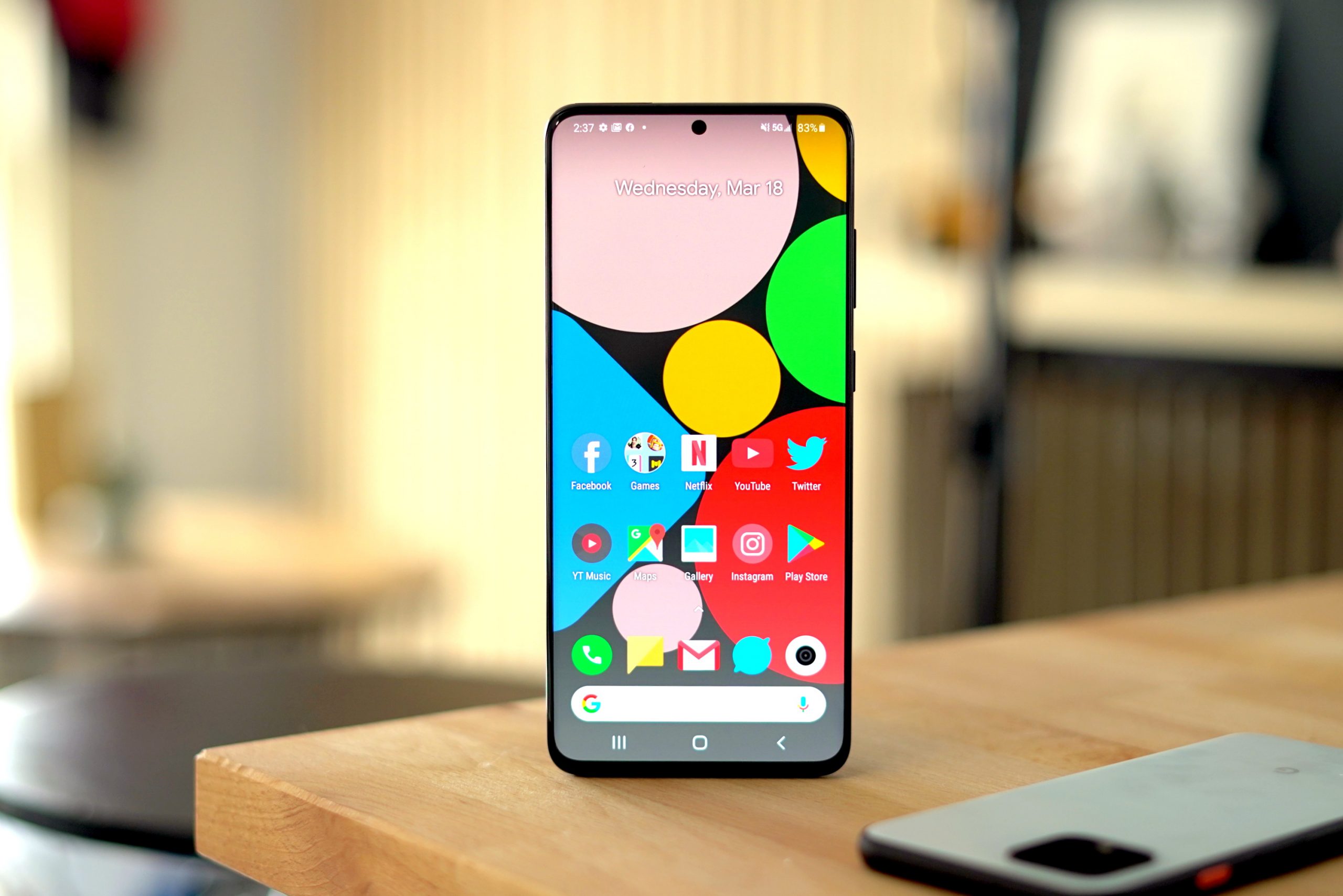
Picture this: you’re trying to quickly look up a restaurant address. You tap the familiar G pill at the bottom of your screen, expecting the clean Google search interface you’ve used for years. Instead, you’re hit with a full screen Gemini page that takes a second or two to load. That might not sound like much, but when it happens multiple times a day, it starts to feel like your phone is working against you rather than for you.
Editing screenshots has become another pain point. What used to be a simple crop and share operation now involves extra taps as AI tools insert themselves into the workflow. There’s even a dedicated AI button sitting where many users expect normal Google search to live. These might seem like small inconveniences individually, but collectively they’re changing the fundamental feel of using a Pixel phone.
This growing frustration isn’t just anecdotal. A viral Reddit thread titled “Does anyone feel like AI is ruining the Pixel experience?” has gathered hundreds of upvotes and comments, with many users expressing a preference for older models like the Pixel 7 over their current AI-heavy devices. The sentiment is clear: for some longtime Pixel fans, the software experience is moving in the wrong direction.
Technical Tradeoffs and Performance Impacts
From a technical perspective, what’s happening here is fascinating. Google is baking AI processing directly into the Android System Intelligence layer, which means these features are always running in the background, ready to spring into action. The problem is that this constant background processing can affect system responsiveness, especially on devices with less powerful hardware or during multitasking scenarios.
Think about it like this: your phone’s processor has a finite amount of computational power to distribute. When more of that power is dedicated to monitoring for AI triggers and preparing AI responses, there’s less available for the smooth scrolling, quick app launches, and instant touch responses that make a phone feel premium. It’s a classic case of feature creep versus core performance, and right now, many users feel the balance has tipped too far toward the former.
The growing Pixel AI backlash highlights an important reality in mobile development: users care deeply about the feel of their devices. That smooth 120Hz display and those satisfying haptic vibrations don’t mean much if basic interactions feel sluggish or cluttered.
Not Just a Google Problem
What’s particularly interesting about this situation is that Google isn’t alone in facing these criticisms. Samsung’s Galaxy AI implementation is creating similar frustrations for some Galaxy owners. Across Android forums, you’ll find complaints about how brands are prioritizing on-device AI tricks over fundamentals like battery life and reliable camera behavior.
This points to a broader industry trend where AI features are becoming marketing checkboxes rather than genuinely useful tools. Companies are racing to announce AI capabilities, sometimes at the expense of refining the core user experience. The Pixel AI dilemma reflects a tension that’s playing out across the entire smartphone market.
Even Samsung’s processor strategy, as seen in the Exynos 2600 leak, shows how companies are trying to balance AI capabilities with traditional performance metrics. The challenge is finding the right mix that doesn’t compromise the daily user experience.
What Users Are Actually Doing About It
So what are frustrated Pixel owners doing? The responses fall into a few categories. Some are taking matters into their own hands by diving into Settings and disabling as much AI functionality as possible. Turning off AI Core and limiting Android System Intelligence permissions can sometimes restore that snappy feel users remember from earlier Pixel models.
Others are considering more drastic measures. Forum discussions reveal users contemplating switches to other Android brands or even jumping to iOS, not because they dislike Android itself, but because they want a phone that feels less “AI first” and more focused on speed and stability. For people who chose Pixel specifically for its clean software experience, this represents a significant shift in priorities.
Then there are the users simply longing for the simpler days. The desire for simpler phones isn’t just nostalgia; it’s a genuine preference for devices that excel at the basics without constantly trying to anticipate or automate every interaction.
The Balance Between Innovation and Usability
Looking at this from an industry perspective, what we’re witnessing is a classic case of technology adoption friction. New features always face an adjustment period, and AI integration represents one of the most significant shifts in how we interact with our devices since touchscreens became standard.
The key question for Google and other manufacturers is how to introduce these capabilities without disrupting the core experience that attracted users in the first place. Should AI features be opt-in rather than opt-out? Should they be more contextual and less intrusive? Should there be a “simple mode” that strips away AI enhancements for users who prefer a more straightforward experience?
What’s clear from the current backlash is that users value responsiveness and predictability. They want their phones to feel like tools that work for them, not platforms that constantly try to demonstrate how smart they are. The haptic feedback, display fluidity, and build quality that make a phone feel premium are undermined when basic interactions feel slow or complicated.
As we move forward, the most successful implementations will likely be those that find the right balance between innovative AI features and rock-solid fundamentals. Users don’t necessarily want less AI; they want AI that feels helpful rather than intrusive, and they definitely don’t want it at the expense of the smooth, reliable experience they’ve come to expect from their devices.
The current Pixel situation serves as an important reminder for the entire industry: no matter how advanced the features become, the feel of using a device still matters most. Sometimes, the smartest thing a phone can do is simply get out of the way and let you use it.