Picture this. It’s fall 2026, and Apple finally unveils its first foldable iPhone after years of speculation. The design looks sleek, the hinge mechanism feels satisfyingly precise, and that folding OLED display offers the kind of visual pop only Apple’s display engineers can deliver. You’re ready to preorder, credit card in hand, only to discover you might be waiting until 2027 to actually hold one.
According to analyst Ming-Chi Kuo, Apple’s entry into the foldable market is facing the kind of production challenges that could make this device more of a tech status symbol than a mainstream product for its first year. The company is targeting a late 2026 announcement, but “smooth shipments” won’t materialize until 2027. That means if you want Apple’s take on foldable technology, you might need patience and persistence.
The Engineering Hurdles Behind That Folding Magic
Foldable phones aren’t just regular smartphones with a hinge slapped in the middle. They’re engineering marvels that push manufacturing tolerances to their limits. The ultra-thin glass layers, the multi-joint hinge mechanisms, the specialized OLED panels that can survive hundreds of thousands of folds, each component introduces new failure points during production.
Apple is reportedly still finalizing key hardware elements, including that all-important hinge mechanism. Getting it right means balancing durability with that satisfying tactile feedback Apple users expect. Early production yields tend to be low for these complex assemblies, which forces conservative production volumes at launch. Think about it this way. Where a standard iPhone might have a 95 percent yield rate on its display assembly, early foldable displays might struggle to hit 70 percent. Those defective units don’t just disappear, they eat into available supply.
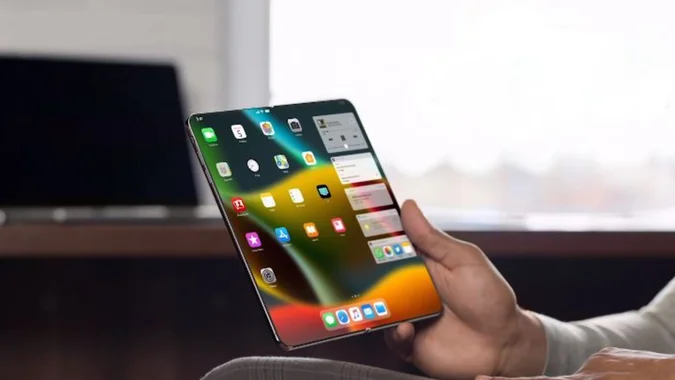
Recent CAD leaks have shown a device that resembles a crease-free iPad mini, suggesting Apple is targeting a pocket-friendly form factor that could genuinely replace both your phone and tablet. But that elegant design comes with manufacturing complexity that will take time to master at scale.
What This Means for Your Wallet and Your Patience
Let’s talk about the real-world impact. If you’re imagining walking into an Apple Store in late 2026 and walking out with a foldable iPhone, you might want to adjust those expectations. Kuo’s analysis suggests constrained supply through at least the end of 2026, with gradual production ramps as factories gain experience and yields improve.
This creates a classic supply-and-demand mismatch. Apple’s entry will instantly legitimize foldable technology for mainstream buyers who’ve been waiting for the company’s stamp of approval. Demand could easily outstrip supply, creating weeks or months of waiting lists, especially for specific storage configurations or color options. Smaller markets might see particularly limited allocations.
The financial reality is equally sobering. With production challenges and premium components, Apple’s first foldable will likely carry an ultra-premium price tag. Combine that with limited availability, and you’ve got a recipe for a device that functions more as a halo product than something for the average consumer. It’s the kind of item that generates headlines and brand prestige, even if most people won’t own one initially.
The Ripple Effect Across the Industry
Apple’s supply constraints create an interesting opportunity for competitors. Samsung’s Galaxy Z Fold series, Google’s Pixel Fold, and other Android foldables could enjoy extended market share as buyers who want foldable technology now turn to available alternatives. These companies have been refining their designs for years, working through their own production learning curves.
From an industry perspective, this production reality check highlights just how challenging foldable manufacturing remains. Even with Apple’s legendary supply chain expertise and massive resources, the company faces the same physics and engineering constraints as everyone else. The difference is Apple’s reputation for polish means it can’t ship a product until it meets the company’s exacting standards.
Kuo forecasts the foldable iPhone selling in the “teens of millions” by 2027, which represents a gradual climb from limited early supply to true mass-market volumes. That timeline suggests Apple views this as a multi-year journey rather than an instant market takeover.
Practical Advice for the Foldable Curious
So what should you do if you’re excited about Apple’s foldable future? First, manage your expectations. The 2026 announcement might be more of a “coming soon” preview than an immediate purchase opportunity. Second, consider whether you want to be an early adopter or wait for the second generation.
Many tech enthusiasts follow a simple rule. Never buy the first generation of any new Apple product category. The original iPhone lacked 3G and had limited app support. The first iPad was thicker and heavier than its successors. The initial Apple Watch focused on fashion over function. Each iteration brought significant improvements.
If supply remains tight into 2027, waiting for the second-generation model makes practical sense. You’ll benefit from Apple’s manufacturing learnings, potentially better durability, wider availability, and possibly even a more refined feature set. Meanwhile, you can watch from the sidelines as early adopters work through any first-generation quirks.
The foldable iPhone represents Apple’s next major hardware innovation, but like all technological leaps, it requires patience. The engineering challenges are real, the production learning curve is steep, and your opportunity to own one might depend more on timing than budget. When it finally arrives at scale, it could redefine how we think about mobile devices. Until then, keep that credit card ready, but maybe don’t clear your schedule for launch day just yet.