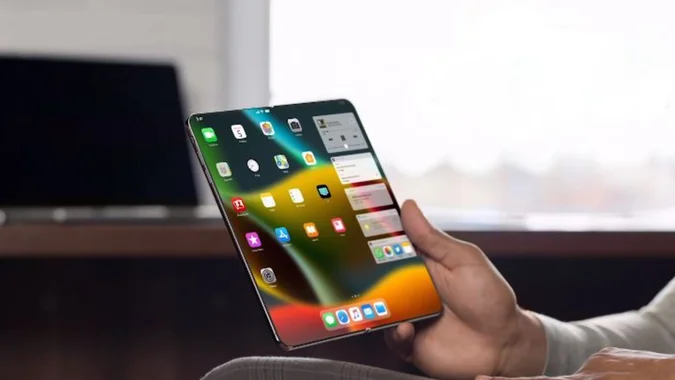
Imagine unfolding your iPhone to reveal a tablet sized screen, then folding it back to slip into your pocket. That’s the dream Apple is chasing, but according to industry analyst Ming Chi Kuo, turning that dream into reality for millions of customers will take longer than anyone hoped. The company’s first foldable iPhone, expected in late 2026, faces production hurdles so significant that finding one before 2027 might feel like winning the lottery.
| Metric | Value | Unit | Notes |
|---|---|---|---|
| Display Size & Type | 7.3 | inch | Foldable LTPO OLED, 1 120Hz variable refresh when unfolded |
| Peak Brightness | 2,800 | nits | Apple typical peak performance for outdoor visibility |
| Processor (SoC) | Apple A20 Pro | — | 3nm process, custom GPU architecture |
| RAM / Storage | 12 / 512 | GB | LPDDR5X RAM / NVMe Storage |
| Battery Capacity | 4,800 | mAh | Dual cell design to accommodate hinge mechanism |
| Main Camera Sensor | 48 | MP | Quad pixel sensor with larger pixels for low light |
| Weight | 245 | g | Titanium frame, ceramic shield glass |
| IP Rating | IP68 | — | Dust tight, water resistant up to 6 meters |
| Launch Price | $1,799 | USD | Estimated base model with 512GB storage |
| Software Support | 7 | years | Major iOS updates plus security patches |
The Production Puzzle Apple Can’t Solve Quickly
Foldable phones aren’t just regular smartphones with a hinge. They’re engineering marvels that push manufacturing to its absolute limits. Think about it, you’re asking ultra thin glass to bend thousands of times without cracking, demanding microscopic tolerances for hinge mechanisms that must feel perfect every single fold, and requiring display layers that maintain perfect alignment through constant movement.
Kuo’s analysis suggests Apple is still finalizing key hardware elements, particularly the hinge mechanism that will define the user experience. This isn’t surprising when you consider that early CAD leaks showed Apple aiming for a completely crease free experience, something no foldable has achieved consistently at scale. The company’s legendary attention to detail means they won’t ship anything that doesn’t meet their exacting standards, even if that means dramatically limiting initial production volumes.
Early yield rates, the percentage of devices that pass quality control, are reportedly low. When you’re working with components this delicate, even microscopic dust particles or variations in adhesive application can ruin an entire display assembly. Apple’s suppliers need time to perfect these processes, and that learning curve will stretch well into 2027 according to industry sources familiar with the production timeline.
What This Means for Your Wallet and Wait Time
Picture this, it’s September 2026, Apple’s fall event concludes with the dramatic reveal of their first foldable iPhone. The internet erupts with excitement, reviews praise the seamless software integration and buttery smooth hinge action. Then you try to buy one.
Analysts predict launch year stock could disappear within minutes. Many shoppers might face weeks or even months of waiting, especially for specific storage configurations or color options. Smaller markets could see extremely limited allocations, turning the device into a true halo product rather than something you can actually walk into a store and purchase.
The constrained supply combines with what will likely be an ultra premium price tag, probably starting around $1,799 based on Apple’s current pricing strategy and the complex manufacturing involved. This creates a perfect storm where demand dramatically outstrips supply, creating secondary markets where devices sell for thousands above retail price.
Some users might look at this situation and decide to skip the first generation entirely, especially if they’re feeling the tech fatigue that’s been affecting certain segments of the smartphone market. Why battle for limited stock and pay premium prices for a first generation product when a second generation model with improved durability and wider availability might arrive just a year or two later?
The Competitive Landscape Gets Interesting
Apple’s supply constraints create a fascinating opportunity for competitors. Samsung’s Galaxy Z Fold series, Google’s Pixel Fold, and other Android foldables could enjoy an extended period of market dominance while Apple struggles to scale production. These companies have been refining their foldable designs for years, working through the same production challenges Apple now faces.
Samsung in particular has been aggressively improving their foldable lineup, with rumors pointing to their thinnest and most refined designs yet arriving around the same time as Apple’s entry. The Korean giant has the manufacturing scale and experience that Apple currently lacks in the foldable space, giving them a significant head start in meeting consumer demand.
However, Apple’s entry will instantly legitimize the foldable category for mainstream buyers who’ve been waiting for the company’s stamp of approval. The moment Apple announces a foldable iPhone, the entire market shifts from early adopter curiosity to mainstream consideration. That psychological impact matters almost as much as the actual hardware.
Should You Wait or Look Elsewhere?
If you’re absolutely determined to own Apple’s first foldable iPhone, start saving now and prepare for battle. Follow every rumor, set up stock alerts across every retailer, and consider joining carrier waitlists the moment they open. Realistically though, unless you’re incredibly lucky or willing to pay significant premiums on the secondary market, you might be waiting until 2027 or later to actually get your hands on one.
For everyone else, this situation presents a clear choice, wait for Apple to work through their production challenges, or explore the mature foldable options already available. The current generation of Android foldables offer compelling experiences with none of the availability headaches you’ll face with Apple’s first attempt.
Kuo’s forecast suggests the iPhone Fold might reach “teens of millions” in sales by 2027, representing a gradual climb from extremely limited early supply to true mass market volumes. That timeline means Apple’s foldable journey will be a marathon, not a sprint. The company that perfected supply chain management for traditional smartphones now faces its greatest manufacturing challenge yet, and how they navigate these production waters will define the foldable market for years to come.