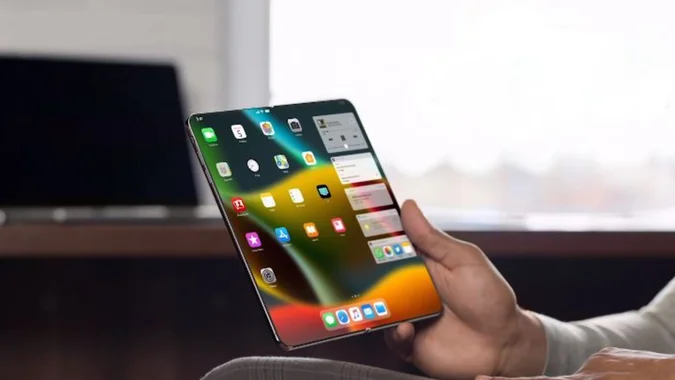
Picture this: you’ve been waiting for Apple to join the foldable revolution since Samsung first flipped open the Galaxy Z Fold. The rumors have swirled for years, the concept renders have flooded your social feeds, and now it’s finally happening. Apple’s first foldable iPhone is reportedly on track for a late 2026 debut. But here’s the catch that might deflate your excitement faster than a poorly designed hinge. According to trusted analyst Ming-Chi Kuo, actually getting your hands on one before 2027 could feel less like a routine upgrade and more like winning the consumer electronics lottery.
The Manufacturing Mountain Apple Must Climb
Let’s talk about why building a foldable phone is fundamentally different from crafting the slab-style iPhones we’re used to. It’s not just about bending a screen. The engineering challenge involves creating a seamless, durable hinge mechanism that can survive thousands of folds without developing that dreaded crease. Then there’s the ultra-thin glass that needs to flex without cracking and the complex display layers that must maintain perfect alignment through every open and close.
Apple is reportedly still finalizing key hardware elements, including that all-important hinge design. This isn’t unusual for first-generation products in this category. Every company that’s entered the foldable space has faced similar production reality checks. The difference is that Apple’s entry will likely trigger unprecedented demand, creating a perfect storm of high expectations and limited supply.
Early production yields for foldable displays tend to be low. Manufacturing facilities need time to perfect their processes, and even minor defects in the delicate folding mechanisms can render entire units unusable. Kuo suggests that “smooth shipments” won’t happen until 2027, meaning the initial launch period could see constrained supply through at least the end of 2026.
What This Means for Your Upgrade Plans
Imagine the typical iPhone launch day frenzy, then multiply it by the pent-up demand for Apple’s first foldable. Launch-year stock could disappear in minutes rather than hours. Many shoppers might face weeks or even months of waiting, especially if they’re looking for specific storage configurations or color options in smaller markets.
Kuo’s outlook aligns with previous forecasts that see the iPhone Fold selling in the “teens of millions” by 2027. That sounds impressive until you realize it represents a gradual climb from extremely limited early supply to true mass-market volumes over the next couple of years. In its first year, the foldable iPhone may function more like a halo product or tech status symbol than something you can casually pick up at your local Apple Store.
The constrained stock, combined with what will likely be an ultra-premium price tag, creates a scenario where this first-generation model becomes more of a collector’s item than a daily driver for most people. Some users might skip this first-gen model entirely if supply stays tight into 2027, opting to wait for a second-generation foldable with better durability and wider availability.
The Silver Lining for Android Foldables
Here’s where things get interesting for the broader market. Early shortages of Apple’s foldable could give Samsung’s Galaxy Z Fold series, Google’s Pixel Fold, and other Android foldables valuable breathing room to hold onto market share longer. Apple will undoubtedly legitimize the category for mainstream buyers in a way no Android manufacturer has managed yet, but if people can’t actually buy Apple’s version, they might turn to what’s available.
Samsung in particular has been refining its foldable technology for years, with rumors pointing to increasingly refined designs like the Galaxy Z Flip 8 that could arrive just as Apple struggles with production. The timing creates a fascinating competitive dynamic where Apple’s entry validates the category while simultaneously creating an opportunity for established players to capture buyers who can’t wait.
Should You Wait or Look Elsewhere?
If you’re absolutely committed to having Apple’s first foldable, prepare for a potentially frustrating experience. Set up stock alerts, be ready to act instantly when pre-orders open, and consider being flexible about your preferred configuration. The alternative is to view this as a transitional period in foldable technology.
Remember the first-generation iPhone? It was revolutionary but lacked basic features like 3G support and had serious limitations. Many smart buyers waited for the iPhone 3G. The same pattern could play out here. By 2027, not only should supply be more stable, but Apple will have had time to refine the design based on real-world feedback.
For those who can’t wait, current foldables from Samsung, Google, and others offer a glimpse into the future today. They’ve worked through many of the early growing pains that Apple is now facing, with hinge mechanisms that have proven surprisingly durable and displays that maintain their integrity through daily use.
The bottom line is that Apple’s entry into the foldable market represents a watershed moment for the technology, but the journey from announcement to widespread availability will be longer than many expect. Whether you choose to join that journey at the difficult beginning or wait for smoother roads ahead depends entirely on your patience, budget, and how badly you need to be among the first to experience Apple’s vision of a folding future.