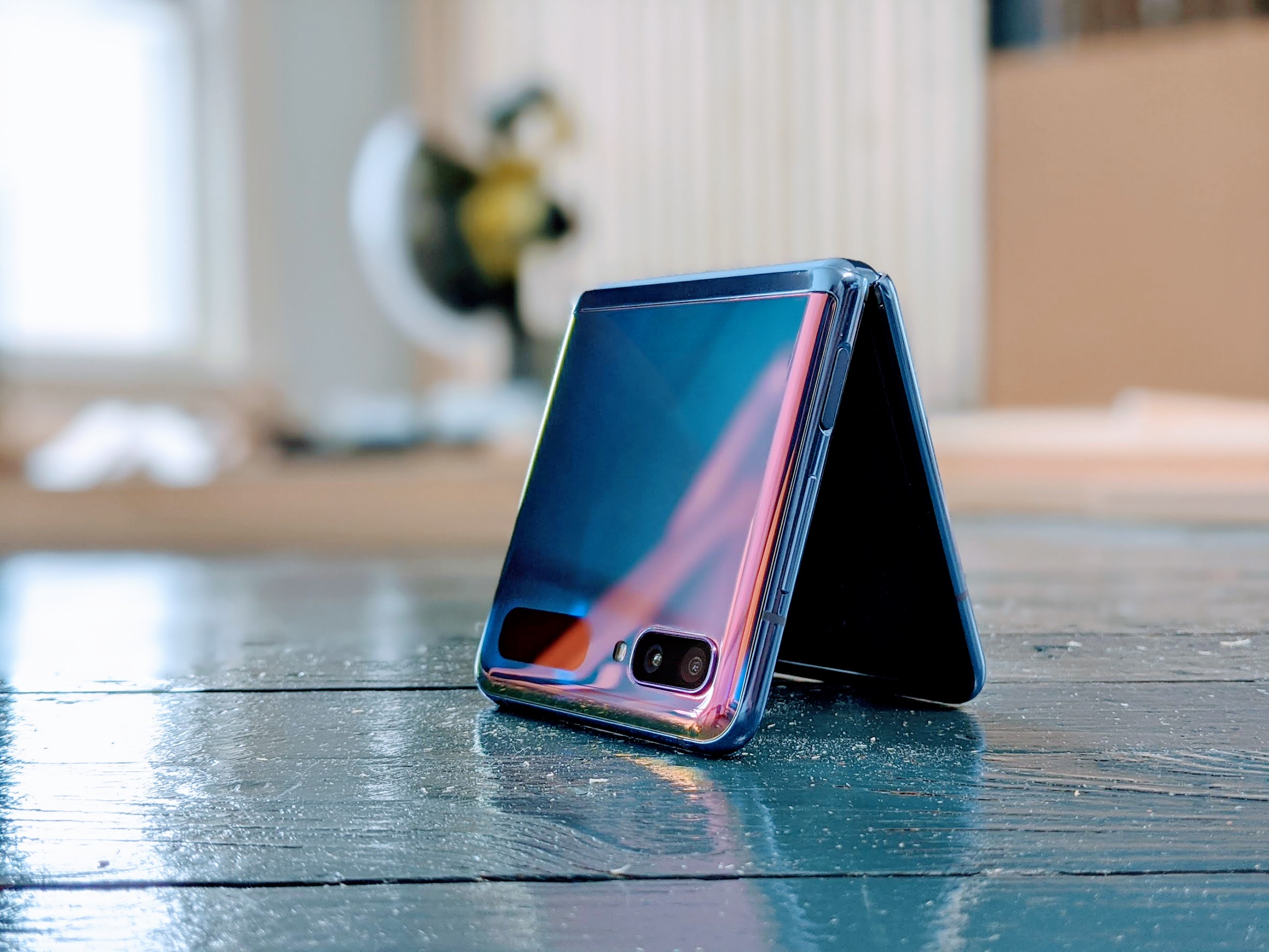
Imagine walking into an Apple Store in late 2026, ready to experience the company’s first foldable iPhone. You’ve seen the leaks, you’ve imagined that satisfying snap of a premium hinge, and you’re prepared for that moment when a tablet sized screen folds down to fit in your pocket. Now picture being told there’s a waiting list stretching months into 2027. That’s the reality shaping up for Apple’s inaugural foldable, according to industry analysts who warn that production challenges could make this device more of a tech status symbol than a mainstream product for its first year or more.
The Production Puzzle
Apple’s foldable iPhone is reportedly on track for announcement in the second half of 2026, likely during the company’s traditional fall launch window. But here’s where things get tricky. Building a foldable phone isn’t like assembling a regular slab smartphone. The engineering complexity jumps exponentially when you introduce moving parts, ultra thin glass that needs to survive thousands of folds, and display layers that must maintain perfect alignment through constant flexing.
Analyst Ming Chi Kuo, who has a solid track record with Apple supply chain insights, suggests the device is running behind earlier internal schedules. The real bottleneck won’t be design or software, it will be manufacturing yield. Early production runs typically suffer from higher defect rates with foldables, and Apple is known for its obsessive quality standards. Those tricky components like the hinge mechanism, which Apple is reportedly still finalizing, and the specialized display materials contribute to what industry insiders call the “foldable tax” on production efficiency.
Think about it this way. Where a standard iPhone might see 95% of units pass quality control on the first try, early foldable production might struggle to hit 70%. That math alone explains why Apple’s first foldable iPhone faces major supply constraints that could persist well beyond its launch window.
Why Foldables Are Inherently Hard to Build
Let’s break down the technical challenges in simple terms. A foldable display isn’t just a flexible screen, it’s a sandwich of ultra thin glass, polarizers, touch sensors, and protective layers that all need to bend without developing creases, cracks, or dead pixels. The hinge mechanism represents another engineering marvel, requiring hundreds of tiny components working in perfect harmony to create that satisfying open and close action while maintaining dust and water resistance.
Apple’s approach will likely focus on what early leaks have suggested, a device that transforms from a compact phone into something resembling a crease free iPad Mini that actually fits in your pocket. That’s the dream, but making it reality at scale is where the challenges multiply. Each component supplier needs to ramp up production while maintaining microscopic tolerances, and assembly lines require retooling for entirely new processes.
From my experience in consumer electronics manufacturing, I can tell you that Apple’s conservative approach to production volumes during this ramp up phase makes complete sense. They’d rather under promise and over deliver than deal with the public relations nightmare of widespread quality issues. But that caution comes at a cost, limited availability that could frustrate eager customers.
The Ripple Effect on the Market
Here’s where things get interesting for the broader foldable market. Samsung has been refining its Galaxy Z Fold and Flip series for years, Google has entered the fray with the Pixel Fold, and numerous Chinese manufacturers have established themselves in the space. Apple’s entry will undoubtedly legitimize foldables for mainstream consumers who’ve been waiting for the Cupertino stamp of approval.
Yet those early supply constraints create an unexpected opportunity for competitors. If you can’t get Apple’s foldable until 2027, you might look at what’s available today. Samsung in particular could benefit, as their Galaxy Z Flip 8 rumors point to increasingly refined designs that address many early foldable pain points. The Android foldable ecosystem has had years to work out kinks in durability, software optimization, and daily usability.
This supply dynamic creates what market analysts call a “halo product” scenario. The foldable iPhone becomes the aspirational device everyone wants but few can actually purchase initially. It drives interest in the category while allowing competitors to capture practical sales from consumers unwilling to wait. That balancing act between creating buzz and actually selling units will define Apple’s foldable strategy through at least 2027.
What This Means for You
If you’re excited about Apple’s foldable future, here’s the practical reality. Launch day stock will likely disappear within minutes, especially for popular configurations and colors. Smaller markets might see allocation so limited that waiting lists extend for months. The price, almost certainly positioned at the ultra premium end of Apple’s lineup, will combine with scarcity to create what economists call “artificial exclusivity.”
Some users might rationally decide to skip this first generation entirely. They’ll watch from the sidelines as early adopters work through the inevitable first generation quirks, then jump in when the second iteration arrives with refinements and better availability. This pattern mirrors what we’ve seen with other new Apple product categories, from the original iPhone to the first Apple Watch.
The software experience represents another consideration. Apple’s iOS will need significant optimization for foldable form factors, and early versions might feel like they’re finding their footing. We’ve seen how ambitious software features can sometimes impact performance until optimization catches up with ambition.
The Long Game
Looking beyond 2027, the picture brightens considerably. As production yields improve and component suppliers gain experience with Apple’s exacting standards, volumes will gradually increase. What starts as a device selling in the “teens of millions” by 2027 could evolve into true mass market volumes in subsequent years.
Apple’s entry will also accelerate innovation across the entire foldable supply chain. Display manufacturers will invest in better flexible OLED technology, hinge suppliers will develop more reliable mechanisms, and protective coating companies will create more durable solutions. Everyone benefits from Apple pushing the industry forward, even if you’re not using an Apple device.
The journey to mainstream foldable adoption was always going to have twists and turns. Apple’s cautious, quality first approach means their contribution to that journey might start slower than some fans would like. But sometimes the best things are worth waiting for, especially when they need to survive being folded and unfolded thousands of times in your pocket.
So mark your calendars for late 2026, but maybe pencil in 2027 as the year you actually get your hands on Apple’s foldable vision. In the meantime, the entire industry will be watching, learning, and innovating to meet the moment when foldables finally go from niche to normal.