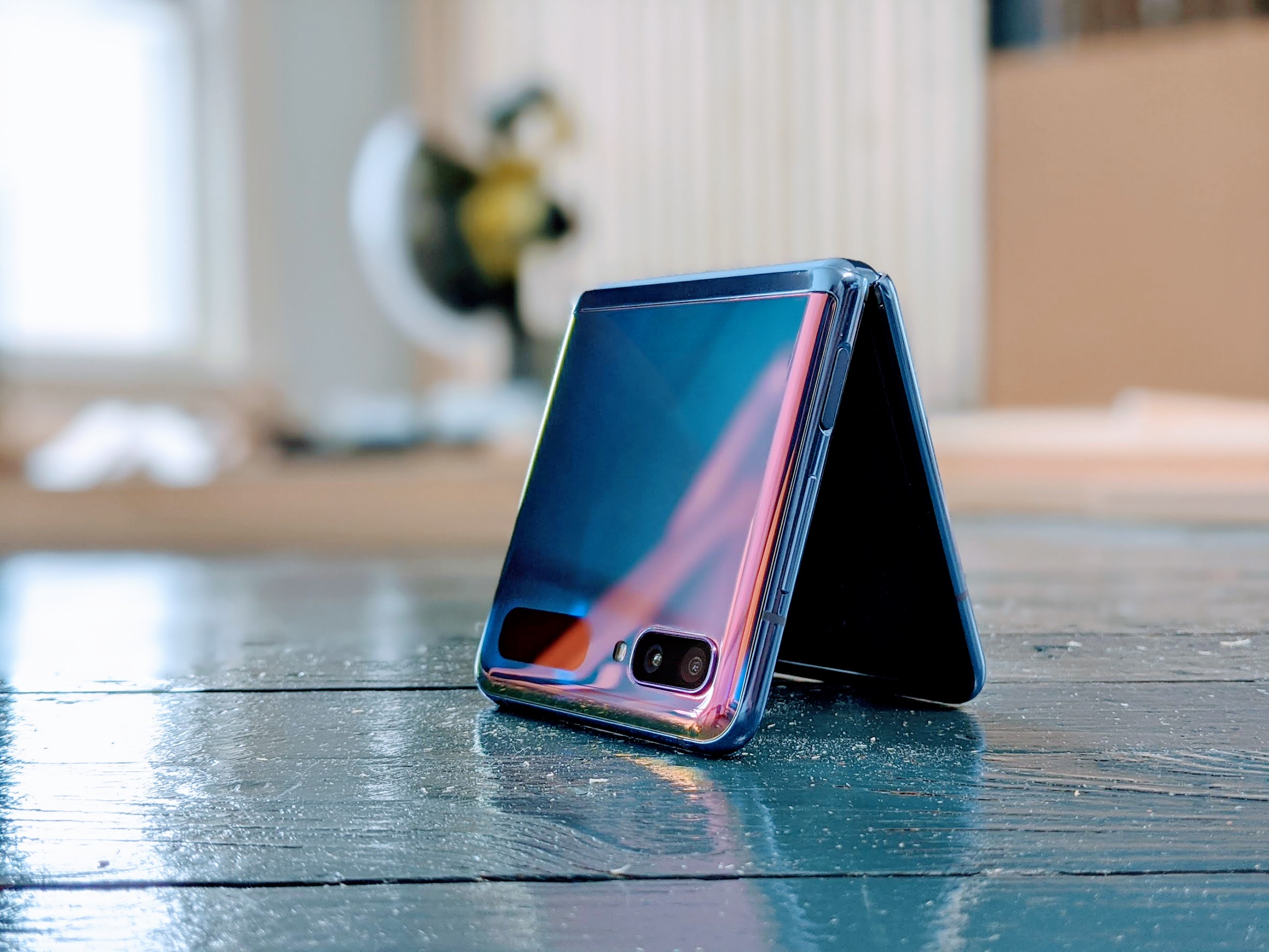
Picture this. You’ve been waiting years for Apple to finally enter the foldable phone game, imagining that satisfying snap of a premium hinge, the buttery smooth transition from phone to mini tablet, and that signature Apple polish applied to a completely new form factor. Well, you might want to get comfortable, because according to industry analyst Ming Chi Kuo, actually getting your hands on Apple’s first foldable iPhone could be an exercise in patience that stretches well into 2027.
The timeline, as it stands, points to a late 2026 announcement, likely during Apple’s usual fall event window. But here’s the catch. Kuo warns that tight supply constraints and complex production challenges mean “smooth shipments” won’t really happen until 2027. Even if Apple announces the device right on schedule, building enough units to match what will undoubtedly be massive demand is going to be a serious struggle.
Why Building a Foldable iPhone Is So Much Harder
Let’s break down the engineering reality. Foldable phones aren’t just regular slabs with a hinge slapped on. They’re marvels of miniaturization that demand perfection across multiple tricky components. The hinge mechanism itself is a ballet of tiny gears, springs, and friction points that has to survive hundreds of thousands of folds without developing play or creaking. Then there’s the ultra thin glass display, which needs to flex perfectly while maintaining scratch resistance and optical clarity.
Apple is reportedly still finalizing certain hardware elements, including that crucial hinge design. This isn’t surprising when you consider that every component layer, from the display panel to the protective cover, contributes to higher defect rates during early production runs. Low yields mean factories can’t ramp up quickly, forcing Apple to start with very conservative production volumes. As we’ve seen in previous reports about the major supply crunch, these aren’t problems that get solved overnight.
Imagine walking into an Apple Store in late 2026, ready to experience that magical unfolding moment, only to find empty shelves and wait times measured in weeks or months. For specific storage configurations or color options, especially in smaller markets, that scenario looks increasingly likely. Kuo’s forecasts suggest the foldable iPhone might only reach “teens of millions” in sales by 2027, indicating a gradual climb from extremely limited early supply to true mass market volumes.
The Ripple Effect Across the Market
This extended scarcity creates some interesting dynamics in the broader foldable market. Samsung’s Galaxy Z Fold and Flip series, along with offerings from Google and other Android manufacturers, get what amounts to a stay of execution. They’ll have more time to refine their own designs and build customer loyalty before Apple’s inevitable entry.
Speaking of refinement, Samsung isn’t standing still. Rumors about their thinnest and most refined foldable yet suggest the competition will be fiercer than ever by the time Apple’s device becomes widely available. That’s good news for consumers, as it pushes the entire category forward.
When Apple does finally enter the foldable space, they’ll instantly legitimize the category for mainstream buyers who’ve been sitting on the sidelines. But in its first year, the foldable iPhone may function more like a halo product or tech status symbol than something you can actually walk into a store and buy. Constrained stock combined with what’s sure to be an ultra premium price tag will limit how many fans actually get to experience it firsthand.
What This Means for You, the Potential Buyer
If you’re someone who upgrades annually and has been holding out for Apple’s take on foldables, you might need to adjust your expectations. Some users will likely skip this first generation model entirely if supply stays tight into 2027, opting to wait for a second generation device with better durability, wider availability, and potentially lower prices.
There’s also the question of whether being an early adopter makes sense for a device this complex. Early leaks about Apple’s design suggest something resembling a pocket sized iPad mini, which sounds incredibly appealing. But first generation products, especially in new form factors, often come with growing pains that get ironed out in subsequent iterations.
From a daily use perspective, think about what matters most to you. Is it having the latest and greatest immediately, or waiting for a more polished experience with better software optimization, proven durability, and actual availability? The answer might determine whether you join the inevitable scramble or practice some tech patience.
The supply chain reality here is sobering. As detailed in analysis of why the device might be nearly impossible to find before 2027, Apple’s manufacturing partners will need time to gain experience, improve yields, and scale production. This isn’t about Apple being slow, it’s about physics, materials science, and the brutal economics of mass producing something this mechanically complex.
So mark your calendars for late 2026, but maybe pencil in 2027 as the year you’ll actually be able to walk into a store and walk out with Apple’s vision of the foldable future. In the meantime, watching how the production hurdles get resolved will be its own kind of spectator sport, one that tells us a lot about where mobile technology is headed next.