Imagine finally holding Apple’s answer to the foldable revolution, that moment when a pocket-sized iPad Mini experience unfolds in your hands. The anticipation has been building for years, with every leak and rumor fueling speculation about how Apple would reimagine the smartphone form factor. But here’s the reality check that might dampen that excitement, at least for the immediate future. Getting your hands on Apple’s first foldable iPhone could test your patience well into 2027, according to the latest supply chain intelligence.
The Supply Chain Reality Check
Respected analyst Ming-Chi Kuo, who has an impressive track record with Apple product forecasts, paints a sobering picture. While Apple remains on track to announce its inaugural foldable iPhone in the second half of 2026, likely during their usual fall event, “smooth shipments” won’t materialize until 2027. The company will struggle to produce enough units to meet what’s expected to be massive demand, even if they stick to their announcement schedule.
This isn’t just about limited launch quantities that sell out in minutes. We’re talking about constrained supply stretching through at least the end of 2026, with Apple gradually ramping up production as manufacturing partners gain experience and yields improve. Kuo’s analysis suggests the iPhone Fold might only reach “teens of millions” in sales by 2027, indicating a slow climb from extremely limited early availability to something approaching mass-market volumes.
Why Foldable Manufacturing Is So Tricky
If you’ve ever marveled at the seamless hinge action on a modern foldable or wondered how that ultra-thin glass doesn’t crack after thousands of folds, you’re appreciating engineering that regular slab phones simply don’t require. Building foldables introduces complexity at every level, from the microscopic layers of the display stack to the precision mechanics of the hinge system.
Apple is reportedly still finalizing certain hardware elements, including that all-important hinge mechanism. Early production yields tend to be low because components like the hinge, ultra-thin glass (UTG), and multiple display layers all contribute to higher defect rates. Each foldable display is essentially multiple displays stacked together with protective layers and flexible substrates, and getting everything to align perfectly across hundreds of thousands of units is a manufacturing nightmare.
Recent Apple foldable iPhone leaks have shown promising designs that could genuinely fit in your pocket while offering an iPad Mini-like experience when unfolded. CAD leaks of Apple’s foldable reveal meticulous attention to the pocket-friendly form factor Apple is known for. But translating those beautiful designs into mass production is where the real challenge begins.
What This Means for You, the Buyer
Picture this, it’s fall 2026, Apple just unveiled their foldable iPhone with typical theatrical flair. You’re ready to order, credit card in hand, only to discover wait times stretching weeks or even months. Specific storage configurations or color options might become particularly scarce, especially in smaller markets outside Apple’s primary regions.
The first-generation foldable iPhone will likely function more as a halo product, a technological statement piece that legitimizes the category for mainstream Apple customers. With constrained stock and what’s expected to be an ultra-premium price tag, this won’t be the device that replaces your current iPhone for most people. It’ll be that rare, coveted gadget that you occasionally spot in the wild, sparking conversations about whether foldables have finally arrived.
This major supply crunch for Apple’s foldable iPhone means many enthusiasts might face a difficult choice, wait indefinitely for stock to stabilize, potentially into 2027, or consider skipping this first generation entirely in favor of a more refined second-generation model with better availability.
The Silver Lining for Competitors
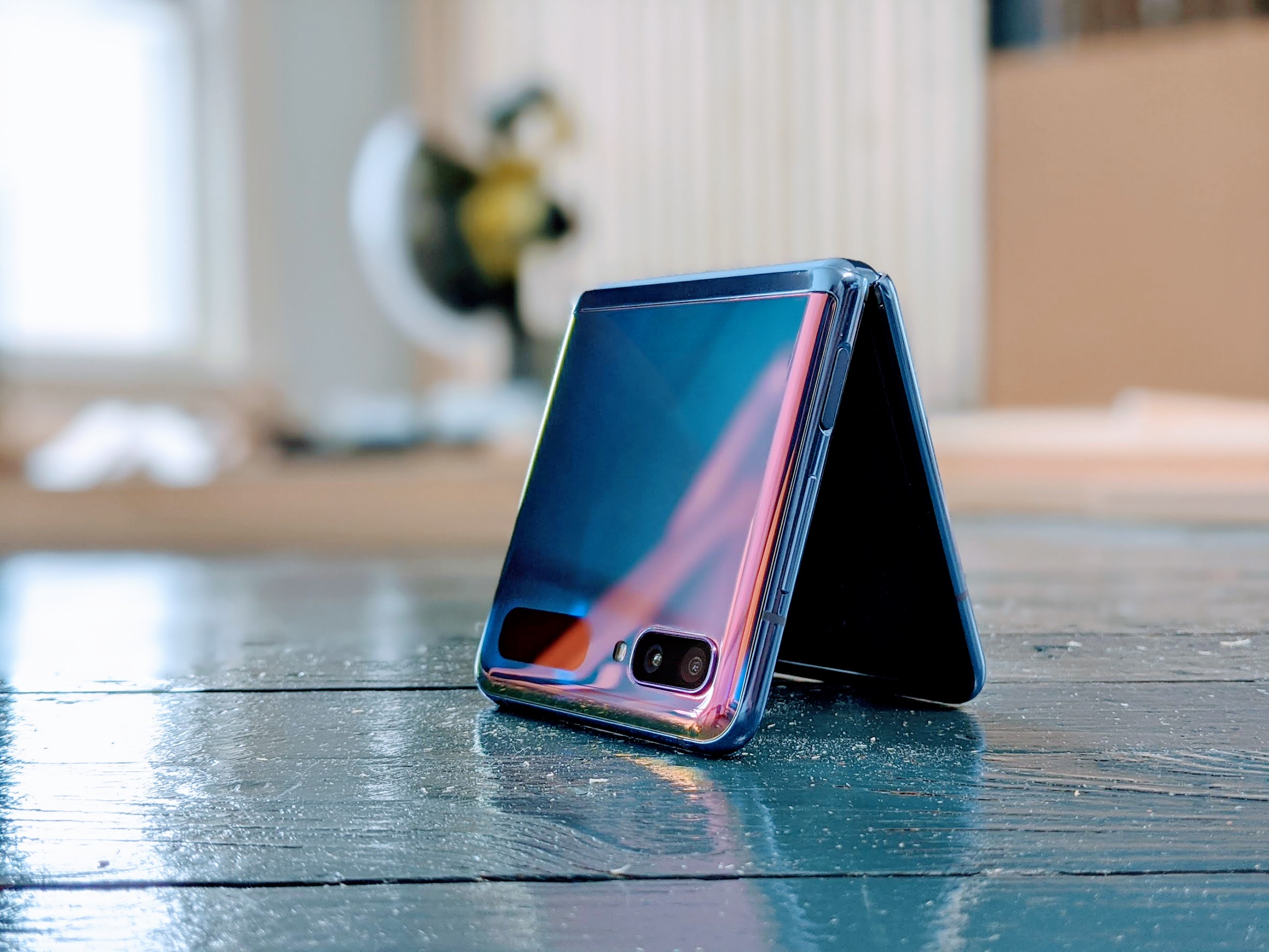
While frustrating for Apple fans, these supply constraints create a significant opportunity for Samsung, Google, and other Android foldable manufacturers. Samsung’s Galaxy Z Fold series has been refining the book-style foldable for years, and their Galaxy Z Flip lineup continues to evolve with increasingly refined designs. These companies will have at least another year, possibly more, to solidify their market position before Apple’s foldable becomes widely available.
From a consumer perspective, this extended timeline might actually work in your favor. It gives Apple more time to observe how early adopters use foldables, what durability issues emerge in real-world testing, and which software features truly enhance the folding experience. The second-generation model could benefit tremendously from this extended development and observation period.
Looking Beyond the Hype
In the consumer electronics industry, we’ve seen this pattern before with groundbreaking form factors. Remember the first-generation iPhone? Limited availability, exclusive carrier deals, and gradual market expansion. Or more recently, the initial wave of 5G devices that commanded premium prices before becoming mainstream.
The foldable iPhone represents Apple’s most significant hardware departure since the original iPhone itself. It’s understandable that they’d proceed cautiously, especially given the manufacturing complexities involved. For those of us who appreciate the tactile satisfaction of well-engineered hardware, the precise haptics, and the seamless software integration that defines the Apple experience, the wait might be worth it.
But temper your expectations. If you’re planning to be an early adopter of Apple’s foldable future, prepare for potential disappointment when trying to secure a unit at launch. Consider whether being among the first is worth the premium price and limited availability, or if waiting for the second generation with improved durability, potentially better battery life, and wider availability makes more practical sense.
One thing’s certain, when Apple’s foldable iPhone finally does become readily available, it will have been thoroughly tested, refined, and optimized in ways that only Apple’s meticulous approach to product development can achieve. The question isn’t if it will be worth the wait, but how long that wait will truly be.