| Metric | Value | Unit | Notes |
|---|---|---|---|
| Anticipated Launch | Late 2026 | — | Second half of the year release window |
| Full Supply Stability | 2027 | Year | Expected timeframe for smooth shipments |
| Primary Challenge | Production Yield | — | Complexity of hinge and flexible glass |
| Estimated Sales (2027) | 13 to 19 | Million | Forecasted “teens of millions” volume |
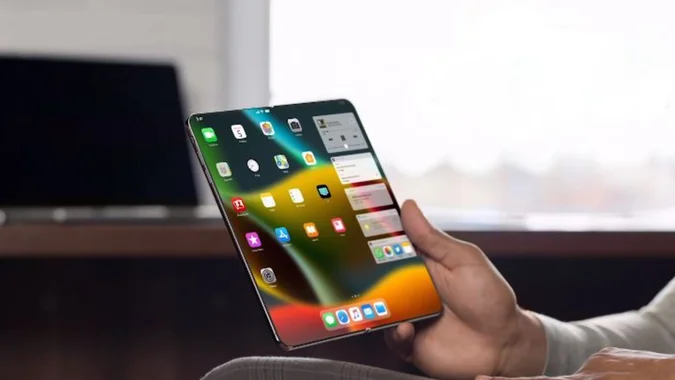
The tech world has been buzzing about a folding device from Cupertino for years, but it looks like getting one in your hands might be a test of patience. Apple is reportedly on track to debut its first foldable iPhone in late 2026, yet analyst Ming-Chi Kuo suggests that tight supply and manufacturing hurdles will make it incredibly scarce well into 2027. Even if the official announcement happens on schedule, the gap between reveal and actual availability could be wider than anything we have seen from the company in recent years.
Production Hurdles and Delays
While the foldable iPhone has reportedly slipped from earlier internal schedules, it remains a pillar of Apple’s 2026 roadmap. The plan is to unveil the device during the traditional fall hardware event. However, the move from a rigid slab to a folding form factor is proving difficult. Low early production yields mean that factories won’t be churning out units at full speed right away. Kuo notes that “smooth shipments” are not likely to materialize until 2027, so early adopters should brace for long wait times and stockouts.
Apple is currently fine tuning the most critical hardware elements, specifically the hinge mechanism and the ultra thin glass layers. These components are notoriously difficult to manufacture at scale without high defect rates. Because of this complexity, the company is expected to take a very conservative approach to its initial production volumes to ensure quality.
Market Impact and Competition
This slow ramp up could give competitors a bit more breathing room. Brands like Samsung, who is already looking toward the Galaxy Z Flip 8, will continue to lead the market in volume while Apple finds its footing. When the foldable iPhone finally arrives, it will likely serve as a halo product, a high end status symbol for those willing to pay an ultra premium price and wait out the shipping delays.
By 2027, forecasts suggest Apple could be moving units in the “teens of millions.” This indicates a steady climb from a very limited launch to more mainstream availability. For some users, the wait might be a blessing in disguise. If the first generation remains hard to buy, many fans might decide to wait for the second generation, hoping for better durability and easier access to stock once the supply chain matures.