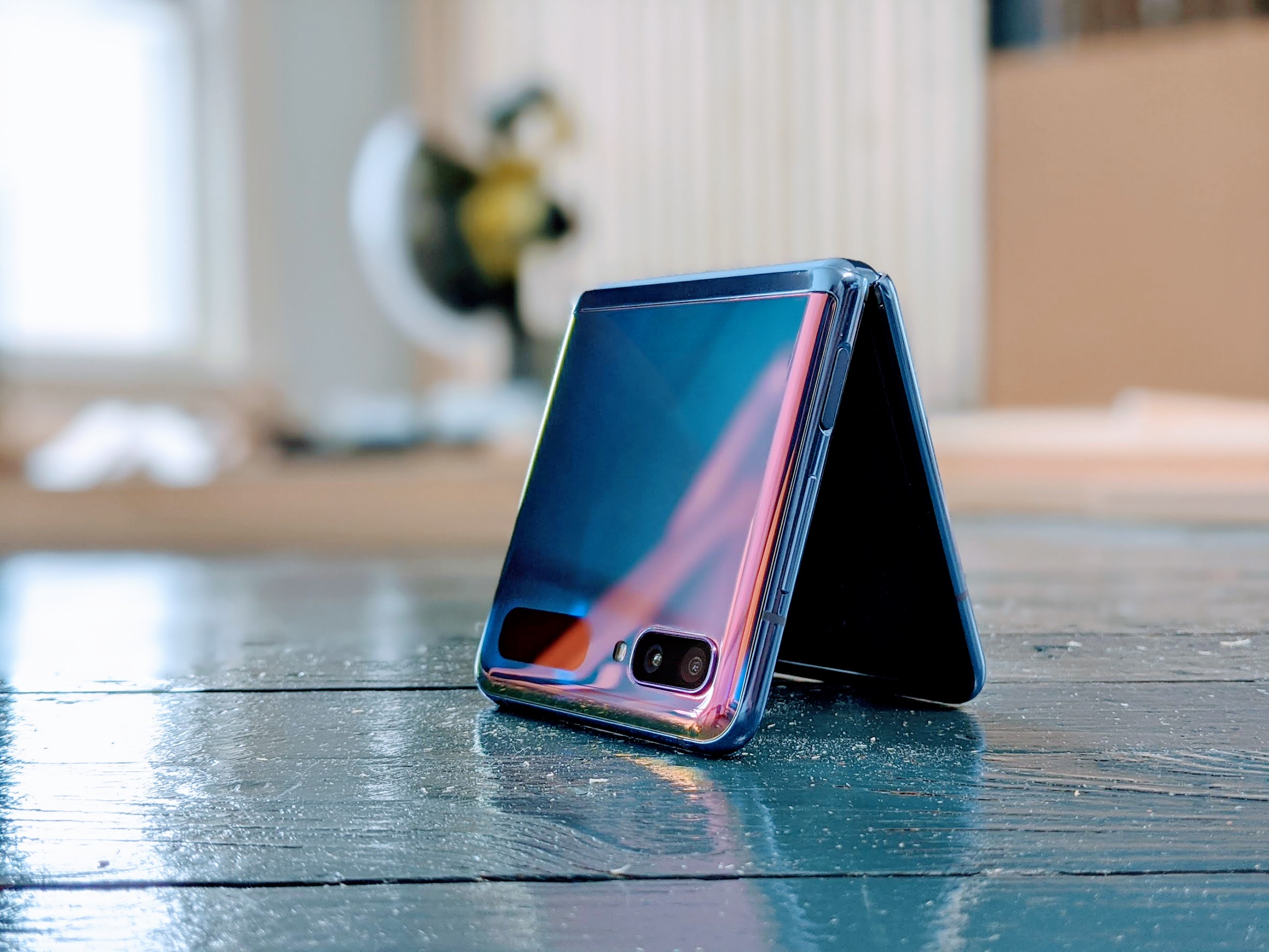
After years of watching Samsung, Google, and others experiment with folding screens, Apple appears ready to join the party with what could be the most polished foldable yet. Fresh CAD leaks give us our clearest look at the company’s long-rumored folding iPhone, codenamed V68, and it’s shaping up to be something special. Imagine carrying an iPad mini in your pocket, then unfolding it to reveal a pristine, crease-free display that feels like magic in your hands. That’s the promise here, and the engineering details suggest Apple might actually deliver.
| Metric | Value | Unit | Notes |
|---|---|---|---|
| Outer Display Size | 5.5 | inch | 83.8mm wide × 120.6mm tall when folded |
| Inner Display Size | 7.76 | inch | 167.6mm × 120.6mm unfolded, near iPad mini dimensions |
| Inner Display Resolution | 2,713 × 1,920 | pixels | High pixel density for sharp text and media |
| Thickness (Folded) | 9.6 | mm | Excluding camera bump, wider stance for better grip |
| Thickness (Unfolded) | 4.8 | mm | Thinner than current iPhone Air models when open |
| Frame Material | Titanium & Aluminum | — | Mixed construction for durability and weight balance |
| Rear Camera System | Dual | lens | Similar setup to iPhone 17, quality over quantity approach |
| Front Camera | Under-display | — | No visible notch or punch-hole on inner screen |
| Expected Launch | September 2026 | — | Codenamed V68, following Apple’s typical fall schedule |
The Pocket-Sized iPad Mini Experience
What makes this Apple foldable leak so compelling isn’t just that it folds, but how it rethinks the entire form factor. When closed, you’re looking at a 5.5-inch outer display that measures 83.8mm wide by 120.6mm tall. That wider-than-tall orientation might seem odd at first glance, but it’s a deliberate choice. It creates a squarer profile that slips into side pockets more comfortably than today’s towering smartphone slabs. More importantly, it gives you a usable screen for quick tasks without needing to unfold the device.
Unfold it, and the magic happens. That compact package expands to reveal a 7.76-inch inner screen measuring 167.6mm by 120.6mm, with a sharp 2,713 by 1,920 resolution. For reference, that’s nearly identical to the screen real estate you get on an iPad mini. Picture this: you’re sitting in a coffee shop, unfold your phone, and suddenly you have enough space for split-screen apps, comfortable note-taking, or watching a movie without constantly adjusting your grip. It’s a tablet experience that genuinely fits in your pocket.
Engineering the Impossible: A Truly Crease-Free Display
Here’s where Apple’s legendary attention to detail shows through. Every foldable on the market today has some degree of visible crease where the screen bends. Some are more noticeable than others, but they’re always there if you look for them. According to these CAD leaks, Apple is tackling this head-on with laser-drilled microstructures in the display assembly. This isn’t just incremental improvement, it’s the kind of engineering solution that could make the crease disappear entirely.
Think about what that means for daily use. You’re reading an article or scrolling through photos, and there’s no distracting line running down the middle of your content. The display feels like one continuous surface, not two panels joined together. This focus on perfection comes at a slight cost in thickness, as we’ll discuss, but for many users, that trade-off will be worth it. After all, what’s the point of a folding screen if it constantly reminds you it’s folding?
How It Stacks Up Against the Competition
Naturally, everyone will compare this to Samsung’s Galaxy Z Fold series, which has defined the book-style foldable category for years. The leaked dimensions tell an interesting story. When folded, Apple’s device measures 9.6mm thick, compared to 8.9mm for the Galaxy Z Fold 7. Unfolded, it’s 4.8mm versus Samsung’s 4.2mm. On paper, Samsung wins the thinness battle.
But here’s the crucial context: that extra thickness appears to accommodate the engineering required for that crease-free display. Apple is prioritizing screen quality over absolute slimness, a classic Apple move. The company has never been first to market with the thinnest devices, but it consistently delivers the most polished experiences. This philosophy extends to the frame construction too, with a mixed titanium and aluminum build that should offer excellent durability without excessive weight.
Interestingly, while Samsung continues to push the boundaries of thinness with devices like the Galaxy Z Flip 8, Apple seems focused on solving different problems. The wider folded stance creates a device that feels less like a traditional phone and more like a mini tablet folded in half. This design makes it easier to grip horizontally and enables better one-handed use when closed, directly addressing complaints about the tall, narrow outer displays on competing foldables.
Camera Strategy and Daily Usability
Apple’s camera approach here follows the company’s recent philosophy: quality over quantity. The CAD renders show a dual rear camera setup similar to what we expect from the iPhone 17. Don’t let the modest spec sheet fool you, though. Apple has consistently proven that sensor size, computational photography, and lens quality matter more than megapixel counts.
On the inner display, you’ll find an under-display selfie camera with no visible notch or punch-hole. This creates an uninterrupted viewing experience perfect for media consumption. Imagine watching a movie or video calling without any camera cutout distracting you from the content. It’s these small details that add up to create a premium feel.
From a practical standpoint, think about how you’d use this device day to day. Folded, it’s compact enough for quick tasks like checking notifications, sending texts, or taking photos. Unfolded, it becomes your portable workstation or entertainment center. The transition between these modes needs to feel seamless, and Apple’s software integration will be just as important as the hardware. We can expect iOS adaptations that make the most of both form factors, with app continuity that remembers where you were whether the device is open or closed.
The Bigger Picture in Display Technology
What’s fascinating about this leak is how it reflects broader trends in display technology. While Apple works on perfecting foldable screens, other manufacturers are pushing different boundaries. Samsung, for instance, is making significant investments in micro-RGB TV technology that could eventually trickle down to mobile devices. The display industry is evolving rapidly across multiple fronts, and Apple’s entry into foldables represents another major milestone.
For consumers, this competition is fantastic news. More players in the foldable space means faster innovation, better prices, and more choices. Apple’s reputation for polish and ecosystem integration could help bring foldables into the mainstream in a way that Android manufacturers haven’t quite managed yet.
What This Means for You
If these leaks prove accurate, we’re looking at a September 2026 launch for Apple’s first foldable iPhone. That gives the company plenty of time to refine the design and manufacturing process. Given Apple’s track record with new product categories, expect this to be expensive at first, likely positioned as a premium option above the standard iPhone lineup.
The real question isn’t whether Apple can make a folding phone, but whether it can make one that feels like an Apple product. Based on these CAD renders, the answer looks promising. The focus on a crease-free display, thoughtful ergonomics, and seamless integration between hardware and software suggests Apple has learned from competitors’ mistakes rather than simply copying their successes.
For now, foldable enthusiasts have something exciting to look forward to. For everyone else, this represents the next evolution of the smartphone, one that could finally make the dream of a pocket-sized tablet a practical reality. Whether you’re an early adopter or prefer to wait for technology to mature, Apple’s entry into the foldable market is about to make things much more interesting.