Imagine slipping an iPad mini into your pocket, then unfolding it whenever you need a proper screen for work or play. That’s exactly what Apple seems to be engineering with its long-rumored foldable iPhone, and newly leaked CAD files give us our clearest look yet at how the company plans to tackle the folding phone market. Codenamed V68 and reportedly targeting a September 2026 launch, this device represents Apple’s careful, calculated entry into a segment competitors have been refining for years.
| Metric | Value | Unit | Notes |
|---|---|---|---|
| Outer Display Size | 5.5 | inch | 83.8mm wide × 120.6mm tall when folded |
| Inner Display Size | 7.76 | inch | 167.6mm × 120.6mm unfolded, near iPad mini dimensions |
| Inner Display Resolution | 2,713 × 1,920 | pixels | High-density panel for sharp text and media |
| Thickness (Folded) | 9.6 | mm | Includes hinge mechanism and dual displays |
| Thickness (Unfolded) | 4.8 | mm | Excluding camera bump, thinner than iPhone Air |
| Frame Material | Titanium & Aluminum | — | Mixed construction for durability and weight balance |
| Rear Camera System | Dual | lenses | Similar setup to iPhone 17, quality over quantity |
| Front Camera (Inner) | Under-Display | — | No visible notch or punch-hole on main screen |
| Target Launch | September 2026 | — | Subject to supply chain and production readiness |
The Pocketable iPad Mini Experience
What immediately stands out from these CAD renders is Apple’s deliberate choice to create what feels like a pocket-sized iPad mini rather than just another folding phone. The 5.5-inch outer display measures 83.8mm wide by 120.6mm tall when folded, giving it a wider, squarer profile that actually fits comfortably in side pockets. It’s a thoughtful departure from the tall, narrow outer screens we’ve seen on many foldables, addressing one of the most common complaints about daily usability.
Unfold it, and you’re looking at a 7.76-inch inner screen spanning 167.6mm by 120.6mm with a 2,713 by 1,920 resolution. That’s remarkably close to an actual iPad mini’s footprint, meaning you get proper split-screen app layouts, comfortable note-taking space, and media consumption that doesn’t feel cramped. Picture this: you’re on a flight, unfolding this device to watch a movie with black bars that don’t dominate the screen, or using two apps side-by-side without constantly zooming and panning.
Engineering the Crease-Free Promise
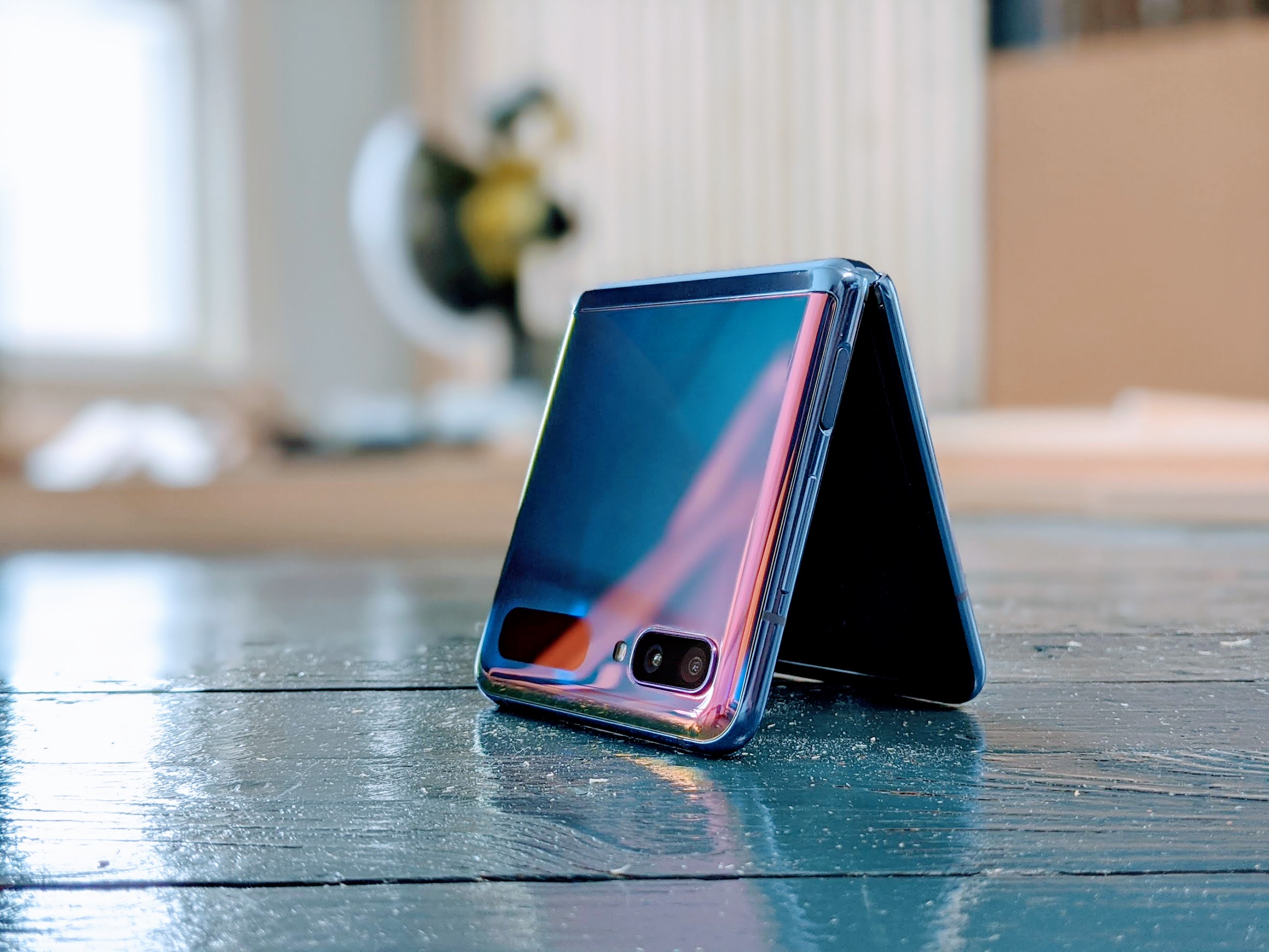
Here’s where Apple’s notorious patience pays off. While competitors raced to market with increasingly thin foldables, Apple appears to have prioritized solving the crease problem first. The leaked details show the device measures 9.6mm thick when folded and 4.8mm when unfolded, making it slightly thicker than Samsung’s Galaxy Z Fold 7 at 8.9mm closed and 4.2mm open. But that extra millimeter matters.
Apple’s engineers have reportedly developed laser-drilled microstructures within the display assembly that maintain panel integrity through countless folds without developing the visible crease that plagues even the best foldables today. This isn’t just about aesthetics, it’s about longevity. A visible crease isn’t just distracting, it creates stress points that can lead to premature failure. By accepting slightly more thickness, Apple may have cracked a problem that’s eluded display manufacturers for years.
The mixed titanium and aluminum frame reinforces this durability-first approach. Titanium provides the structural rigidity needed at the hinge points, while aluminum keeps weight manageable. It’s the same material philosophy we’ve seen in recent MacBooks and iPad Pros, applied to the unique stresses of a folding device.
How It Stacks Up Against the Competition
Comparing Apple’s approach to Samsung’s reveals fundamentally different philosophies. Samsung has been refining its Galaxy Z Fold line toward ever-thinner profiles, accepting some crease visibility as the trade-off for pocketability. Apple seems to be asking, “What if we didn’t have to make that trade-off?”
The wider folded stance creates a device that feels less like a traditional smartphone and more like a mini tablet folded in half. This actually improves one-handed use when closed, since your thumb can reach more of the screen surface. It’s a subtle but meaningful ergonomic advantage that addresses real-world usability.
Camera-wise, Apple appears to be taking a conservative approach with a dual rear setup likely similar to what we’ll see in the iPhone 17. The emphasis seems to be on sensor quality and computational photography rather than lens count. More interesting is the under-display selfie camera on the inner screen, which creates a truly uninterrupted viewing experience. No notch, no punch-hole, just screen.
The Daily Reality of Owning Apple’s Foldable
Let’s talk about what this device would actually feel like in your hand and in your life. That 9.6mm folded thickness means it won’t disappear in your pocket like today’s slimmest phones, but it should still feel substantially thinner than carrying both a phone and a small tablet. The wider profile makes it more stable when using the outer screen one-handed, something I’ve personally struggled with on taller foldables.
Unfolded at 4.8mm thin (excluding the camera bump), it’s actually thinner than Apple’s own ultra-slim iPhone Air models. That’s an engineering achievement worth appreciating, especially when you consider it houses two displays, a complex hinge mechanism, and a battery that needs to power that larger screen.
The real test will be software optimization. Apple’s strength has always been the tight integration between hardware and software. Imagine iPadOS features gracefully adapting to this form factor, with Stage Manager that actually makes sense on a 7.76-inch screen, or Continuity that lets you start an email on the outer display and finish it unfolded.
Supply Chain Realities and What Comes Next
A September 2026 target gives Apple nearly two years to refine production, but industry sources suggest the company might face significant supply challenges. Those laser-drilled microstructures aren’t easy to manufacture at scale, and the mixed material frame requires precision assembly that could limit initial production volumes.
What’s clear from these leaks is that Apple isn’t trying to beat competitors at their own game. They’re playing a different one entirely. While others chase thinness, Apple chases seamlessness. While others add more cameras, Apple focuses on making the ones they include work perfectly. And while others treat the outer display as an afterthought, Apple has designed it to be genuinely useful.
The crease-free iPad mini experience that fits in your pocket isn’t just marketing speak, it’s a fundamentally different vision for what a folding device can be. It’s Apple doing what Apple does best, watching the market, learning from others’ mistakes, and then entering with something that feels both familiar and revolutionary.
Will it be worth the wait? If these CAD files are accurate, and if Apple can deliver on that crease-free promise while maintaining its legendary build quality, the answer might just be yes. For those of us who’ve been carrying both a phone and a small tablet, wondering why we need two devices when one could theoretically do both jobs, 2026 can’t come soon enough.