| Metric | Value | Unit | Notes |
|---|---|---|---|
| Outer Display Size | 5.5 | inch | 83.8mm x 120.6mm when folded |
| Inner Display Size | 7.76 | inch | 167.6mm x 120.6mm unfolded, 2,713 x 1,920 resolution |
| Thickness (Folded) | 9.6 | mm | Excluding camera bump |
| Thickness (Unfolded) | 4.8 | mm | Thinner than iPhone Air when open |
| Display Technology | Crease-Free | — | Laser-drilled microstructures |
| Frame Material | Titanium/Aluminum | — | Mixed construction for durability |
| Rear Camera System | Dual | — | Similar to iPhone 17 setup |
| Front Camera | Under-Display | — | No visible notch on inner screen |
| Expected Launch | September 2026 | — | Codenamed V68 |
You know that feeling when you slip a modern smartphone into your pocket and it feels like you’re carrying a small tablet? Apple might have just solved that with their first foldable iPhone, and the leaked CAD renders tell a fascinating story. These aren’t just pretty pictures, they’re a blueprint for how Apple plans to pack an iPad mini experience into something that actually fits in your pocket.
The Pocket-Sized iPad Mini Experience
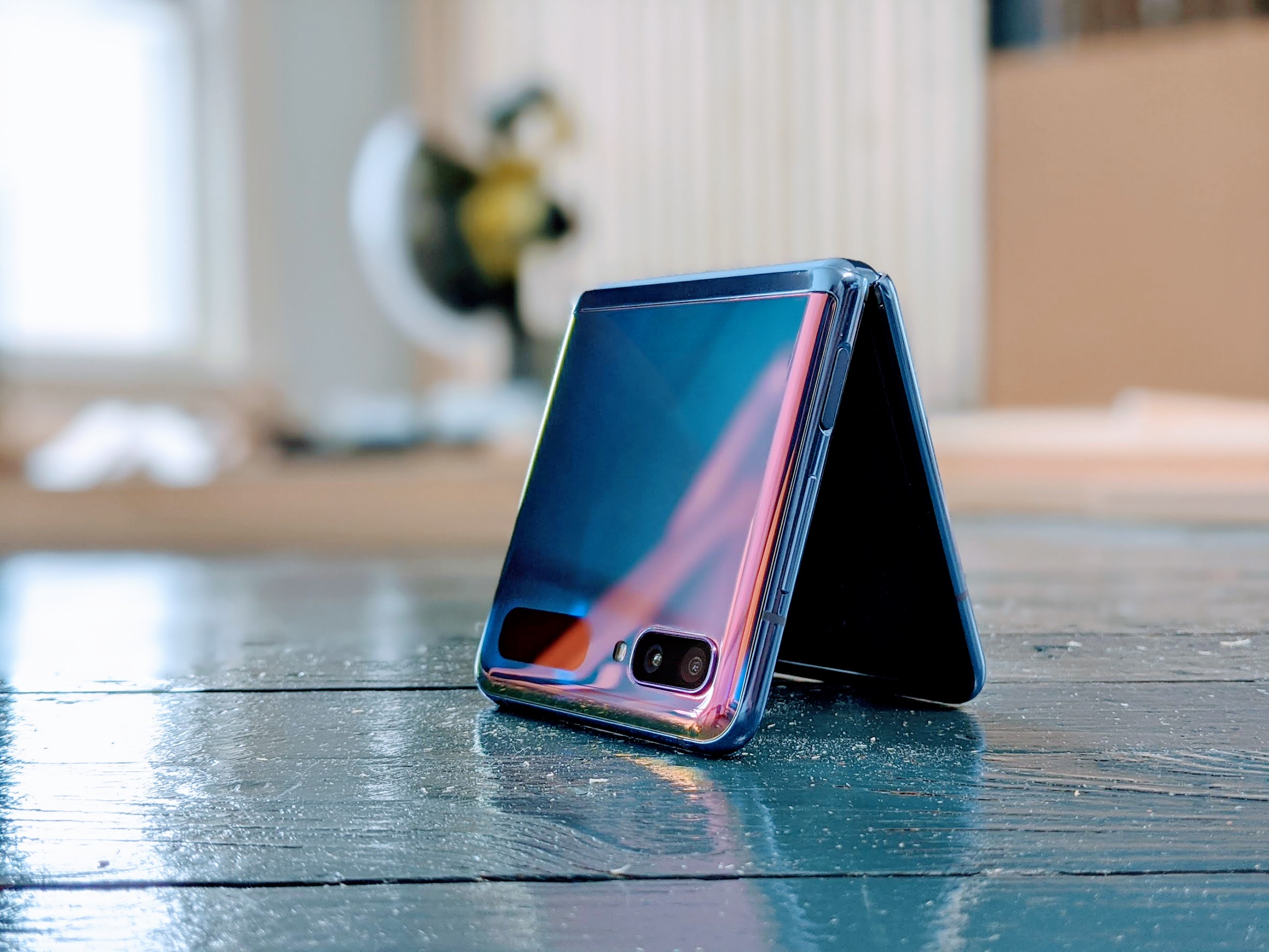
Let’s talk about that folded form factor first. At 83.8mm wide and 120.6mm tall, Apple’s foldable adopts a wider-than-tall orientation that makes it slip into side pockets with an ease that today’s towering slabs can only dream of. When you unfold it, you get a 7.76-inch inner screen measuring 167.6 x 120.6mm with a sharp 2,713 x 1,920 resolution. That’s nearly identical to an iPad mini’s display area, which means you’re getting proper split-screen app functionality or comfortable note-taking in a device that folds in half.
Imagine pulling this out on a flight, unfolding it to watch a movie with no visible crease disrupting your viewing experience, then folding it back up to slip into your jeans pocket when you land. That’s the promise here, and it’s not just theoretical. The 4.8mm thickness when open beats even Apple’s own ultra-slim iPhone Air, which tells you something about the engineering priorities.
The Crease-Free Revolution
Here’s where Apple’s approach gets really interesting. While competitors have chased absolute thinness, these CAD renders suggest Apple is prioritizing a true crease-free experience above all else. The device measures 9.6mm thick when folded and 4.8mm unfolded, which is slightly thicker than Samsung’s Galaxy Z Fold 7 at 8.9mm closed and 4.2mm open. But that extra millimeter or so accommodates the engineering required for laser-drilled microstructures that Samsung reportedly couldn’t crack.
Think about what this means for daily use. No more running your thumb over that distracting line in the middle of your screen. No more watching content with a visible seam cutting through the action. Apple seems to be betting that users will trade a tiny bit of thickness for a display that feels like one continuous surface, and honestly, they’re probably right.
Build Quality That Feels Like Apple
The mixed titanium and aluminum frame speaks volumes about Apple’s approach to durability. Titanium provides that premium heft and strength we’ve seen in recent Pro models, while aluminum keeps weight manageable. This isn’t just about surviving drops, it’s about that satisfying click when the hinge engages and the solid feel in your hand that tells you this is a premium product.
The wider folded stance creates a squarer profile that feels less like a traditional phone and more like a mini tablet folded in half. This design choice makes it easier to grip horizontally and enables better one-handed use when closed. It directly addresses those complaints about tall, narrow outer displays on competing foldables that can feel awkward to handle.
Camera System and Daily Practicality
Camera specs include a dual rear setup similar to the iPhone 17, prioritizing quality over quantity. What really catches my eye is the under-display selfie camera on the inner screen with no visible notch. That means an uninterrupted viewing experience for media consumption, video calls, or just browsing the web on that expansive 7.76-inch canvas.
Now, let’s be realistic about the timeline. While these CAD leaks point to a September 2026 launch, recent reports suggest Apple’s foldable iPhone faces production challenges that could push availability or make early units scarce. The company appears to be learning from competitors’ mistakes rather than rushing to market, which is typically Apple’s playbook.
How It Stacks Up Against the Competition
When you compare this to what’s currently available, Apple’s approach feels distinctly different. While Samsung’s Galaxy Z Flip 8 rumors point to ever-thinner designs, Apple seems content to be slightly thicker in exchange for that crease-free experience. It’s a classic Apple trade-off, prioritizing the user experience over spec sheet bragging rights.
The 5.5-inch outer display gives you a usable screen for quick tasks without unfolding, while that 7.76-inch inner display transforms it into a proper mini tablet. This dual personality could make it the perfect device for someone who wants smartphone convenience with tablet functionality, all in one package.
The Consumer Perspective
So what does this mean for you, the potential buyer? First, think about your daily workflow. If you frequently use split-screen apps, take handwritten notes, or consume lots of media on the go, this could be a game-changer. The iPad mini comparison isn’t just marketing speak, it’s a real indication of the usable screen real estate you’re getting.
Second, consider the durability question. That mixed titanium and aluminum frame suggests Apple is taking foldable longevity seriously. Hinge mechanisms have been the Achilles heel of many foldables, and Apple’s typically methodical approach to engineering gives me confidence they’ve spent the time to get this right.
Finally, there’s the software experience. Apple’s strength has always been the integration between hardware and software. Imagine iOS features optimized for this form factor, with seamless transitions between folded and unfolded states, and iPadOS-like multitasking on that inner display.
Looking Ahead
While we’re still looking at a 2026 timeline, these CAD leaks give us our clearest picture yet of Apple’s foldable ambitions. The company appears to be taking the production reality check seriously, focusing on getting the fundamentals right rather than being first to market.
What excites me most isn’t just the hardware, but how Apple might reimagine the smartphone experience around this form factor. We’re not just getting a folding iPhone, we’re potentially getting a new category of device that bridges the gap between phone and tablet in a way that feels natural and useful.
The leaked CAD renders suggest Apple has been watching the foldable market carefully, learning what works and what doesn’t before committing to their first folding device. If they can deliver on that crease-free promise with the build quality we expect from Apple, this could be the device that makes foldables mainstream. Not through gimmicks, but through thoughtful engineering that solves real problems for real users.