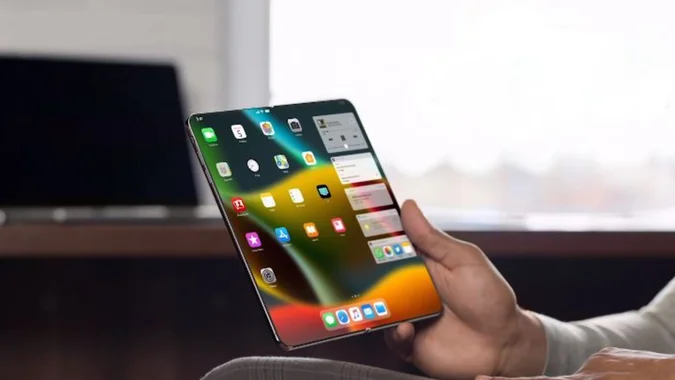
Imagine slipping a device into your pocket that unfolds to reveal a screen nearly matching your iPad mini. That’s exactly what Apple seems to be engineering with its first foldable iPhone, codenamed V68, according to recently leaked CAD files. These technical drawings give us our clearest look yet at how Apple plans to tackle the foldable market, and it’s shaping up to be a thoughtful approach that prioritizes user experience over chasing thinness records.
| Metric | Value | Unit | Notes |
|---|---|---|---|
| Outer Display Size | 5.5 | inch | 83.8mm wide × 120.6mm tall when folded |
| Inner Display Size | 7.76 | inch | 167.6mm × 120.6mm unfolded, near iPad mini dimensions |
| Display Resolution | 2,713 × 1,920 | pixels | Inner screen only, outer display specs TBD |
| Thickness (Folded) | 9.6 | mm | Including hinge mechanism and frame |
| Thickness (Unfolded) | 4.8 | mm | Excluding camera bump, exceptionally slim profile |
| Frame Material | Titanium + Aluminum | — | Mixed construction for durability and weight balance |
| Rear Camera System | Dual | lenses | Similar configuration to iPhone 17, quality over quantity |
| Front Camera | Under-display | — | No visible notch or punch-hole on inner screen |
| Expected Launch | September 2026 | — | Based on current development timeline |
A Design That Actually Fits Your Life
The leaked CAD files reveal Apple’s approach to the foldable form factor is distinctly different from what we’ve seen from competitors. When folded, the device measures 83.8mm wide by 120.6mm tall, creating a wider, squarer profile that feels more like a mini tablet folded in half than a traditional smartphone. This design choice isn’t just aesthetic, it’s practical. That wider stance makes the device easier to grip horizontally and enables better one-handed use when closed, directly addressing complaints about tall, narrow outer displays on existing foldables.
Slip it into your jeans pocket, and you’ll notice it sits more comfortably than today’s towering smartphone slabs. The orientation is specifically engineered to fit side pockets better, something Apple’s industrial design team has clearly thought through. When you need more screen real estate, unfolding reveals a 7.76-inch display that measures 167.6mm by 120.6mm, dimensions that come remarkably close to an iPad mini. For split-screen apps, note-taking, or media consumption, you’re getting a genuine tablet experience that folds down to pocket size.
The Crease-Free Promise
Here’s where Apple’s engineering philosophy shines through. The CAD leaks confirm the company is prioritizing a true crease-free experience over chasing absolute thinness records. At 9.6mm thick when folded and 4.8mm when open, Apple’s foldable is slightly thicker than Samsung’s Galaxy Z Fold 7, which measures 8.9mm closed and 4.2mm open. But that extra millimeter accommodates the engineering required for a display that maintains its integrity across the fold.
Apple achieves this through laser-drilled microstructures in the display layers, a technology that Samsung reportedly couldn’t perfect. Run your finger across the unfolded screen, and you shouldn’t feel that telltale dip in the middle that plagues many current foldables. For reading, drawing, or watching content, this makes a tangible difference in daily use. The 2,713 by 1,920 resolution ensures everything looks sharp, whether you’re checking notifications on the outer display or diving into a document on the expansive inner screen.
Build Quality That Feels Like Apple
Pick up this device, and you’ll immediately recognize Apple’s attention to materials and construction. The mixed titanium and aluminum frame isn’t just about looking premium, it’s about durability where it matters most. Titanium provides strength around the hinge mechanism, the most critical stress point in any foldable, while aluminum keeps the overall weight manageable. The hinge action, judging by the CAD files, appears designed for that satisfying, precise feel Apple is known for in its MacBook lids and iPad covers.
Camera enthusiasts will appreciate the dual rear setup, which takes cues from the iPhone 17’s imaging system. Apple is clearly prioritizing quality over quantity here, opting for two excellent sensors rather than packing in multiple mediocre ones. The inner screen features an under-display selfie camera with no visible notch or punch-hole, creating an uninterrupted viewing experience perfect for video calls or content consumption. It’s a clean, minimalist approach that aligns with Apple’s design language.
How It Stacks Up Against the Competition
When you compare Apple’s approach to Samsung’s current foldables, the differences in philosophy become clear. Samsung has been pushing the boundaries of thinness with devices like the Galaxy Z Flip 8, while Apple appears focused on perfecting the fundamentals first. That extra thickness in Apple’s design accommodates not just the crease-free display technology but also likely a more robust hinge mechanism and better thermal management for sustained performance.
The wider folded profile also addresses a common complaint about Samsung’s book-style foldables, their tall, narrow outer displays that can feel awkward for typing and one-handed use. Apple’s design feels more intentional for daily carry, with dimensions that work better in pockets and hands. It’s a classic Apple move, observe what competitors are doing, identify the pain points, and engineer a solution that feels obvious in retrospect.
The Daily Experience
Picture your typical day with this device. Morning commute, you’re checking emails and messages on the 5.5-inch outer display, which is wide enough for comfortable typing but compact enough for one-handed use. Lunch break, you unfold it to watch a video on what’s essentially an iPad mini screen, with no distracting crease down the middle. Afternoon meetings, you’re taking notes with the Apple Pencil on that expansive canvas, then folding it back up to slip into your pocket.
The 4.8mm thickness when unfolded means it feels remarkably slim in tablet mode, lighter than carrying both a phone and a small tablet. Battery life will be crucial, and while the CAD files don’t reveal capacity, Apple’s chip efficiency combined with the physical space available suggests they can pack in substantial power. Software integration will be key too, imagine iOS features optimized for this new form factor, with seamless transitions between folded and unfolded states.
Availability and What Comes Next
With a projected September 2026 launch, Apple is taking its time to get this right. The company has watched the foldable market develop over several generations, learning from both the successes and missteps of early adopters. This measured approach means when Apple’s foldable does arrive, it should feel polished and complete, not like a first-generation experiment.
However, potential buyers should be aware that supply constraints could make this device challenging to find initially. Complex manufacturing processes for crease-free displays and precision hinges often face production bottlenecks. As we’ve seen with previous Apple launches, high demand combined with limited supply could mean waiting lists extend well into 2027.
From an industry perspective, Apple’s entry into the foldable space validates the category in a way no other manufacturer could. It signals that foldables aren’t just a niche experiment but a legitimate future direction for mobile computing. The company’s supply chain relationships and manufacturing expertise could also help drive down costs and improve reliability for the entire industry over time.
What’s most exciting about these CAD leaks isn’t just the specifications, it’s the glimpse into Apple’s philosophy for foldables. They’re not trying to make the thinnest device or pack in the most cameras. Instead, they’re focused on creating a product that disappears into your daily life, that feels intuitive in both phone and tablet modes, and that maintains the build quality and attention to detail Apple customers expect. If the final product lives up to these early glimpses, Apple might just redefine what we expect from foldable technology.