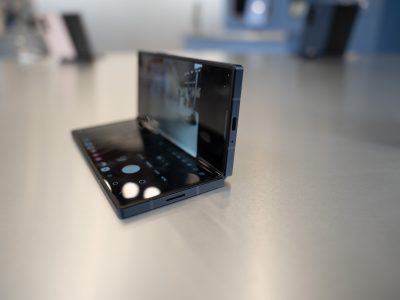
Imagine slipping a device into your pocket that unfolds to reveal nearly eight inches of pristine display real estate. That’s exactly what Apple appears to be engineering with its first foldable iPhone, codenamed V68, according to recently leaked CAD files. These blueprints, sourced from iPhone-Ticker.de, paint a compelling picture of a device that doesn’t just fold, but transforms your pocket into a portal for a miniature tablet experience.
| Metric | Value | Unit | Notes |
|---|---|---|---|
| Outer Display Size | 5.5 | inch | 83.8mm wide x 120.6mm tall when folded |
| Inner Display Size | 7.76 | inch | 167.6mm x 120.6mm unfolded, 2,713 x 1,920 resolution |
| Thickness (Folded) | 9.6 | mm | Including hinge mechanism |
| Thickness (Unfolded) | 4.8 | mm | Excluding camera bump, thinner than iPhone Air |
| Display Technology | Laser-drilled | — | Microstructures for crease-free experience |
| Frame Material | Titanium + Aluminum | — | Mixed construction for durability |
| Rear Camera System | Dual | — | Similar to iPhone 17 setup, quality over quantity |
| Front Camera | Under-display | — | No visible notch on inner screen |
| Expected Launch | September | 2026 | Based on current development timeline |
| Design Orientation | Wider-than-tall | — | Fits side pockets better than tall slabs |
The Pocket Tablet Revolution
What strikes you first about these CAD renders isn’t just that Apple is making a foldable phone. It’s that they’re rethinking what a foldable should be. While competitors have focused on making phones that unfold into taller screens, Apple’s approach feels different. The 5.5-inch outer display measures 83.8mm wide and 120.6mm tall, creating a wider, squarer profile that slips into side pockets with surprising ease. It’s a design choice that acknowledges a simple truth: our pockets haven’t gotten any deeper, but our phone screens keep getting taller.
When you unfold it, the transformation is genuinely impressive. That compact device expands to 167.6mm wide, revealing a 7.76-inch inner screen with a 2,713 x 1,920 resolution. For context, that’s nearly identical to the screen real estate of an iPad mini. Picture using split-screen apps for research while taking notes, or watching a movie on a flight without constantly adjusting your viewing angle. The pocket-sized iPad mini experience isn’t just marketing speak, it’s a tangible shift in how we think about mobile productivity.
Engineering the Impossible: A Truly Crease-Free Display
Here’s where Apple’s engineering philosophy shines through. The leaked details confirm the company is prioritizing a true crease-free experience over chasing the absolute thinnest profile. At 9.6mm thick when folded and 4.8mm when unfolded, it’s slightly thicker than Samsung’s Galaxy Z Fold 7 (8.9mm closed, 4.2mm open). But that extra millimeter matters.
Apple appears to be using laser-drilled microstructures in the display panel, a technology that Samsung reportedly couldn’t perfect. These microscopic engineering feats allow the screen to bend without developing the permanent crease that plagues current foldables. Think about running your finger across the screen and feeling nothing but smooth glass, no matter how many times you’ve opened and closed it. That’s the promise here, and it’s a game-changer for daily use.
Build Quality That Feels Like Apple
The mixed titanium and aluminum frame tells a story about durability meeting premium feel. Titanium provides the structural integrity needed for a folding mechanism that will withstand thousands of openings and closings, while aluminum keeps the weight manageable. It’s the same thoughtful material selection we’ve seen in recent MacBooks and iPad Pros, now applied to Apple’s most complex mobile device yet.
Holding this device closed feels less like gripping a traditional phone and more like cradling a mini tablet folded in half. The wider stance makes horizontal gripping natural, addressing one of the biggest complaints about competing foldables: their tall, narrow outer displays that feel awkward in one-handed use. When closed, you can actually type comfortably with one thumb, something that’s nearly impossible on today’s ultra-tall smartphones.
Camera System: Quality Over Quantity
Apple’s camera philosophy appears unchanged for its foldable debut. The dual rear setup mirrors what we expect from the iPhone 17, prioritizing sensor quality and computational photography over adding more lenses. But the real innovation happens on the inside.
The inner screen features an under-display selfie camera with no visible notch or punch-hole. This creates an uninterrupted viewing experience that makes media consumption genuinely immersive. Imagine watching a movie or video calling without any visual interruptions on the screen. It’s a small detail that makes a huge difference in daily use, especially for a device meant to be your primary media consumption tool.
How It Stacks Up Against the Competition
Comparing Apple’s approach to Samsung’s reveals different design philosophies. Samsung has been refining the foldable form factor for years, focusing on thinness and outer screen usability. Their Galaxy Z Flip series represents one vision of pocket-friendly foldables, while Apple seems to be carving its own path.
Apple’s slightly thicker profile accommodates engineering that eliminates the crease, a trade-off that many users will appreciate. The wider folded design also addresses ergonomic concerns that have persisted in the foldable market. It’s clear Apple watched the competition, identified pain points, and engineered solutions rather than simply copying what already exists.
The Consumer Experience: What This Means for You
Let’s talk about daily life with this device. Picture pulling it from your pocket during your morning commute. The 5.5-inch outer screen handles notifications, quick replies, and music control perfectly. When you settle into your seat, you unfold it to catch up on news or emails with that expansive 7.76-inch display. The crease-free screen means no visual distractions while reading or watching content.
Battery life will be crucial, and while specific capacity isn’t detailed in the leaks, Apple’s chip efficiency combined with the space afforded by the foldable form factor should allow for all-day usage. The mixed metal frame should provide that premium, solid feel Apple devices are known for, without adding excessive weight.
However, potential buyers should be aware that supply constraints could make this device challenging to find initially. Complex new manufacturing processes often face production hurdles, especially with Apple’s exacting quality standards.
Industry Context: Why This Matters Now
Apple’s entry into the foldable market comes after years of watching competitors iterate. This patience appears to have paid off in thoughtful engineering decisions. The company waited until it could potentially solve the crease problem rather than rushing to market with a compromised experience.
The September 2026 timeline gives Apple nearly two years to refine production and ensure the device meets their quality standards. It also aligns with when we might see significant advancements in mobile chip technology that could power new foldable-optimized features.
From an industry perspective, Apple’s foldable represents more than just another product category. It validates the foldable form factor while pushing the entire market toward better engineering solutions. When Apple enters a space, it often raises the bar for everyone, and that competition ultimately benefits consumers with better products across the board.
The leaked CAD files suggest Apple’s first foldable iPhone won’t just be another folding phone. It will be a carefully engineered device that rethinks how we carry and use screen real estate on the go. By prioritizing a crease-free experience, thoughtful ergonomics, and that signature Apple build quality, they’re not just joining the foldable revolution, they’re aiming to redefine it. The pocket-sized iPad mini might finally be here, and it could change how we think about mobile devices forever.