| Metric | Value | Unit | Notes |
|---|---|---|---|
| Outer Display Size | 5.5 | inch | 83.8mm x 120.6mm when folded |
| Inner Display Size | 7.76 | inch | 167.6mm x 120.6mm when unfolded |
| Inner Display Resolution | 2,713 x 1,920 | pixels | Nearly matches iPad mini pixel density |
| Thickness (Folded) | 9.6 | mm | Includes hinge mechanism |
| Thickness (Unfolded) | 4.8 | mm | Excluding camera bump; thinner than iPhone Air |
| Frame Material | Titanium + Aluminum | — | Mixed construction for durability |
| Rear Camera System | Dual | lens | Similar to iPhone 17 setup |
| Front Camera | Under-display | — | No visible notch or hole-punch |
| Expected Launch | September 2026 | — | Codenamed V68 |
Imagine slipping an iPad mini into your pocket. That’s the promise Apple seems to be making with its first foldable iPhone, and if these leaked CAD renders are any indication, they might actually pull it off. The engineering drawings, reportedly sourced from iPhone-Ticker.de, reveal a device that feels less like a compromise and more like the foldable we’ve been waiting for.
What strikes me immediately is the form factor. When folded, you’re looking at a 5.5-inch outer display that measures 83.8mm wide by 120.6mm tall. That wider-than-tall orientation isn’t just a design quirk—it’s a thoughtful solution to the pocketability problem that plagues today’s towering smartphone slabs. This thing should slide into side pockets without that awkward bulge, and the squarer profile makes it easier to grip horizontally.
The Display That Doesn’t Crease
Unfold it, and the magic happens. The inner screen expands to 7.76 inches with a 2,713 x 1,920 resolution that nearly matches an iPad mini. But here’s where Apple’s engineering philosophy shines through. While Samsung has been chasing ever-thinner foldables, Apple appears to be prioritizing something more important: a truly crease-free display.
The leaked specs show the device measures 9.6mm thick when folded and 4.8mm when open. That’s slightly thicker than Samsung’s Galaxy Z Fold 7 (8.9mm closed, 4.2mm open), but that extra millimeter accommodates laser-drilled microstructures that reportedly eliminate the visible crease that’s plagued foldables since their inception. It’s a trade-off that makes perfect sense when you consider daily use—who cares about an extra millimeter if it means your screen looks flawless?
Engineering for Real Life
What I appreciate about this design is how it addresses actual user complaints. The wider folded stance creates a device that feels less like a traditional phone and more like a mini tablet folded in half. This isn’t just about aesthetics—it enables better one-handed use when closed, something competing foldables with their tall, narrow outer displays often struggle with.
The mixed titanium and aluminum frame suggests Apple is serious about durability. Titanium provides that premium heft and strength around critical areas like the hinge, while aluminum keeps the overall weight manageable. It’s the same balanced approach we’ve seen in recent MacBooks and iPads, now applied to a folding form factor.
Camera and Daily Use Considerations
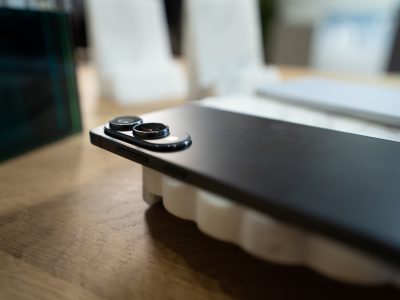
Camera specs appear to follow Apple’s “quality over quantity” philosophy. The dual rear setup looks similar to what we expect from the iPhone 17, which means computational photography improvements rather than additional lenses. More interesting is the under-display selfie camera on the inner screen—no visible notch or hole-punch means an uninterrupted viewing experience for media consumption and video calls.
Think about using this device on a flight. You unfold it to watch a movie on that expansive 7.76-inch screen with no distracting camera cutout. Then you fold it back up to reply to messages on the outer display while it sits comfortably in your hand. The pocket-sized iPad mini experience isn’t just marketing speak—it’s a practical reality that changes how you interact with technology throughout your day.
The Supply Chain Reality
Now for the sobering part. While these CAD renders suggest a September 2026 launch, anyone familiar with Apple’s supply chain knows that ambitious timelines often face reality checks. The engineering required for that crease-free display, combined with the mixed-material frame and entirely new hinge mechanism, presents major production hurdles that could impact availability.
From my experience covering consumer electronics, when a company prioritizes engineering perfection over being first to market, you typically get a better product—but you also get supply constraints. Apple learned this lesson with the original iPhone, the Apple Watch, and even recent Mac transitions. If they’re truly cracking the crease-free display challenge that’s eluded competitors, expect this device to be in high demand and potentially limited supply.
Why This Feels Different
What makes this leak compelling isn’t just the specs—it’s the apparent philosophy behind them. Apple seems to have watched the foldable market mature, identified the pain points (the crease, awkward outer displays, durability concerns), and engineered solutions rather than compromises.
The wider folded form factor addresses pocketability and one-handed use. The slightly thicker profile enables that crease-free display. The mixed materials balance durability with weight. Even the camera setup prioritizes what matters most for photography rather than checking spec sheet boxes.
If these renders translate to a real product, Apple’s first foldable won’t just be another folding phone—it could be the device that makes the foldable form factor feel essential rather than experimental. The pocket-sized iPad mini experience isn’t just a clever tagline. It’s a fundamentally different way of thinking about mobile computing, and based on these leaks, Apple might be the company to finally deliver it in a package that makes sense for everyday life.
We’ve got a couple years to wait if the September 2026 timeline holds, but if you’ve been holding out for a foldable that doesn’t feel like a compromise, these leaks suggest it might be worth the wait. Just be prepared for that wait to potentially extend if production challenges emerge—perfection, as Apple has taught us, rarely comes easy or quickly.