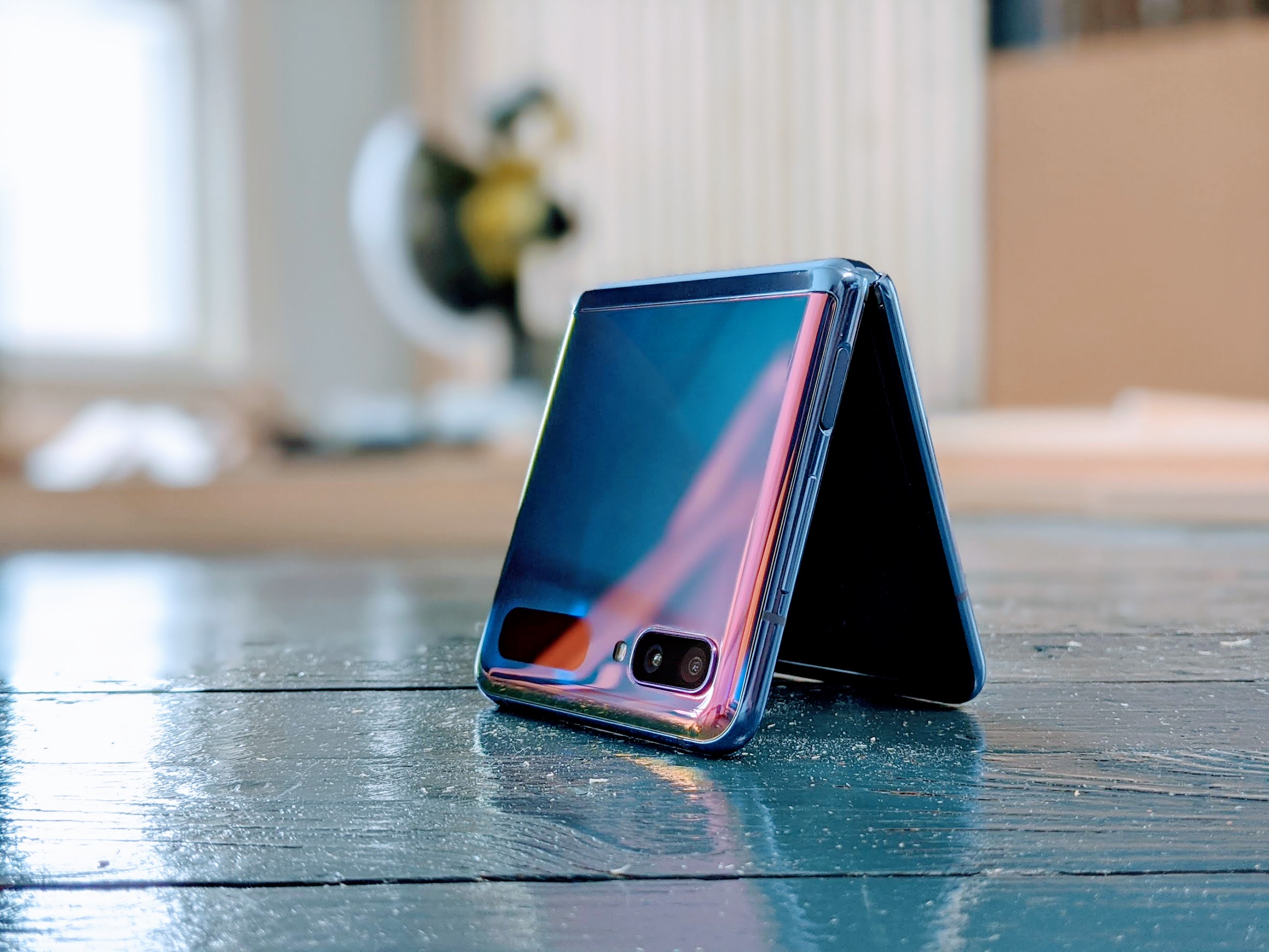
The Foldable iPhone Dream Meets Manufacturing Reality
Picture this. You’ve been waiting for Apple to enter the foldable phone arena for years, watching Samsung and Google refine their designs. The rumors finally solidify. Apple’s first foldable iPhone is coming, promising that magical blend of iOS elegance and transformative hardware. But here’s the catch. Getting your hands on one might feel like winning the lottery, with supply constraints potentially stretching well into 2027.
According to noted analyst Ming-Chi Kuo, Apple’s inaugural foldable iPhone remains on track for an announcement in the second half of 2026, likely during the company’s usual fall event window. The device will probably arrive in stores by late 2026. However, don’t expect to walk into an Apple Store and casually pick one up. Kuo warns that “smooth shipments” and consistent availability won’t materialize until 2027, a full year after the initial launch.
Why Building a Foldable iPhone Is So Incredibly Hard
Let’s break down the engineering challenge. A foldable phone isn’t just a regular slab smartphone with a hinge slapped on. It’s an entirely different beast. The complexity starts with the hinge mechanism itself, a miniature marvel of precision engineering that must survive hundreds of thousands of folds without developing play or creating an unsightly crease in the display. Apple is reportedly still finalizing this critical component, which adds significant risk to the production timeline.
Then there’s the display. Modern foldables use ultra-thin glass (UTG) layers that are flexible yet durable enough to withstand constant bending. These displays are essentially sandwiches of multiple ultra-thin layers, including a protective cover, touch sensor, OLED panel, and support substrate. Each layer must be perfectly aligned and bonded, and any microscopic defect in any layer can render the entire display assembly unusable. Early production yields for such complex assemblies are notoriously low, often in the single-digit percentages before manufacturing processes mature.
Recent leaks about Apple’s crease-free display technology suggest the company is aiming for a truly seamless folding experience, but that ambition comes with even greater manufacturing complexity. The pursuit of perfection often means accepting lower initial production volumes.
The Supply Chain Squeeze
From a supply chain perspective, Apple faces a classic chicken-and-egg problem. Component suppliers need volume commitments to justify investing in specialized production lines for foldable-specific parts like hinges and ultra-thin glass. But Apple can’t commit to high volumes until it’s confident in yield rates and product quality. This leads to conservative initial production targets.
Industry sources suggest Apple might produce only in the “teens of millions” of foldable iPhones by 2027. That sounds like a lot until you consider that Apple typically sells over 200 million iPhones annually. The foldable model would represent a tiny fraction of total iPhone sales in its first couple of years, functioning more as a halo product and status symbol than a mainstream device.
This constrained supply creates a ripple effect. Launch-day stock will likely evaporate within minutes online, and physical stores might receive only handfuls of units. Customers in smaller markets or those wanting specific storage capacities and color options could face wait times measured in weeks or even months. The situation echoes early iPhone launches but with even tighter constraints due to the manufacturing complexity.
What This Means for You, the Potential Buyer
If you’re dreaming of being an early adopter of Apple’s foldable iPhone, start mentally preparing for a frustrating experience. Be ready to camp out on pre-order websites, set multiple device alerts, and potentially pay a premium through resellers. The combination of limited supply and intense demand from Apple’s loyal customer base will create the perfect storm for scarcity.
There’s also the price consideration. Foldable phones command premium pricing due to their complex components. Samsung’s Galaxy Z Fold series starts around $1,800, and Apple’s version will likely sit in that ultra-premium bracket or possibly even higher. When you combine a sky-high price with extreme scarcity, you get a device that’s more tech jewelry than everyday tool for most people.
This supply situation presents an interesting opportunity for competitors. Samsung’s Galaxy Z Fold series, Google’s Pixel Fold, and other Android foldables will likely enjoy extended market share as Apple struggles to meet demand. Some users who can’t secure Apple’s foldable might settle for an Android alternative rather than wait indefinitely.
The Bigger Picture and Long-Term Outlook
For Apple, this first-generation foldable iPhone serves multiple strategic purposes. It establishes the company’s presence in the category, tests manufacturing processes and supply chains, and gauges consumer interest at the premium end of the market. The lessons learned from this initial foray will inform subsequent generations that should benefit from improved yields, refined designs, and expanded production capacity.
Some industry watchers suggest that prudent consumers might skip this first-generation model entirely. Waiting for the second or third iteration could mean getting a more refined device with better durability, more features, and actual availability. Remember the original iPhone? It was revolutionary but lacked 3G, had a mediocre camera, and cost $499 with a two-year contract. The iPhone 3G and 3GS that followed addressed most of those shortcomings while becoming more accessible.
The same pattern could play out with Apple’s foldable. Early CAD leaks suggesting a pocket-sized iPad Mini experience point to an exciting form factor, but the first implementation will inevitably have trade-offs.
Practical Advice for the Patient Enthusiast
So what should you do if you’re excited about foldable technology but wary of the coming supply crunch? First, manage your expectations. Understand that getting a foldable iPhone in 2026 or early 2027 will require luck, persistence, or deep pockets. Second, consider your actual needs. Do you truly need a foldable device, or are you drawn to the novelty? Third, explore the current foldable market. Android options have matured significantly and offer compelling experiences today without the wait.
Finally, remember that technology always gets better and more accessible with time. The foldable iPhone that launches in 2026 will be impressive, but the version that arrives in 2028 or 2029 will likely be dramatically improved, more reliable, and actually available for purchase. Sometimes the smartest move in tech is waiting for the second act.