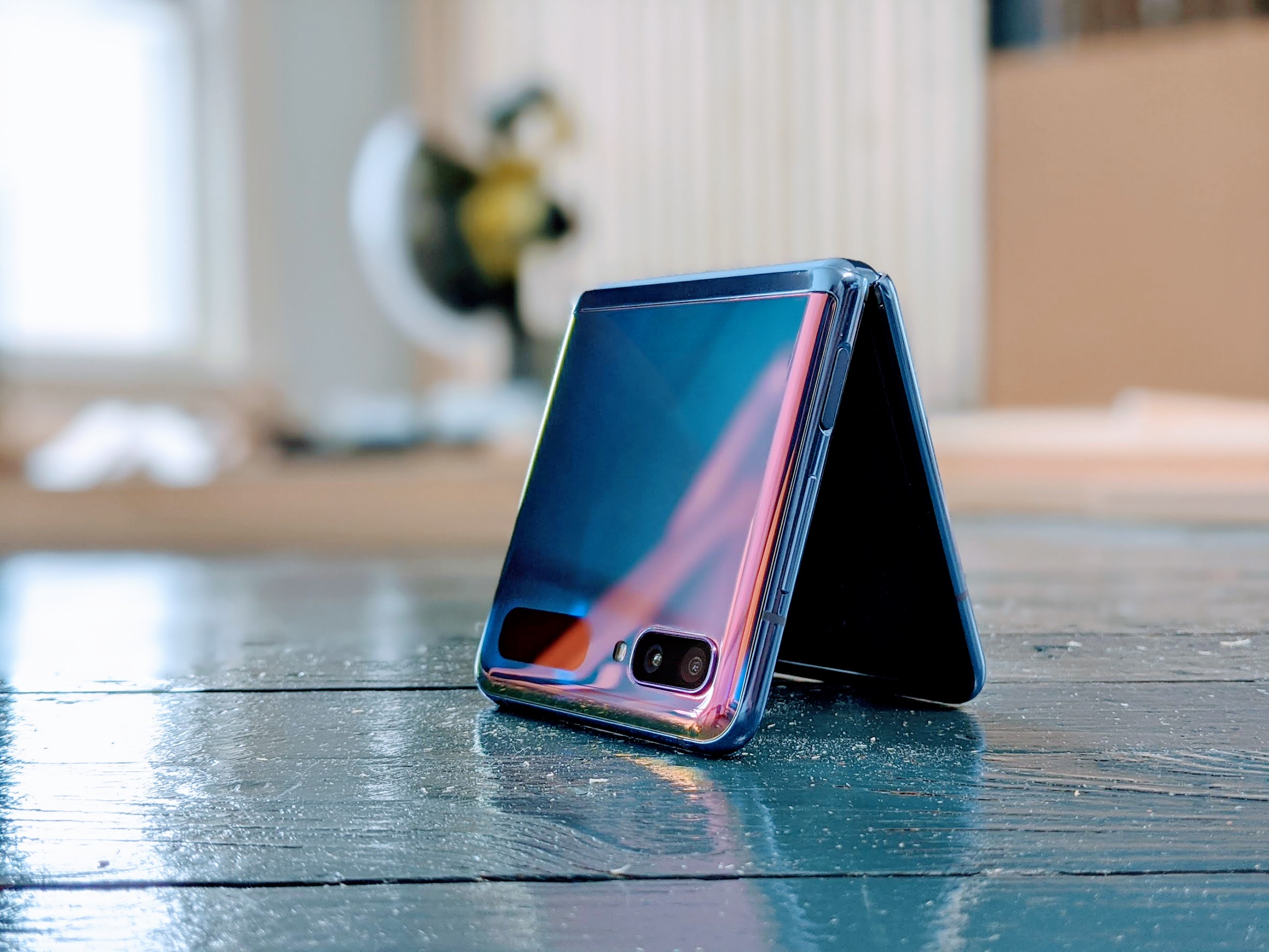
Imagine finally getting your hands on Apple’s first foldable iPhone, that sleek piece of engineering that transforms from phone to mini tablet with a satisfying snap. Now picture walking into an Apple Store in late 2026, credit card ready, only to find empty shelves and a waitlist stretching months into the future. According to industry analyst Ming-Chi Kuo, that frustrating scenario might become reality for countless Apple fans.
Kuo’s latest analysis paints a challenging picture for Apple’s entry into the foldable market. The company’s first bendable iPhone remains on track for a late 2026 announcement, likely during their usual fall event. But here’s the catch, smooth shipments and readily available stock probably won’t materialize until well into 2027. We’re looking at a production reality check that could test even the most patient Apple enthusiasts.
Why Foldables Are So Hard to Build Right
If you’ve ever held a modern foldable phone, you know the engineering feels almost magical. That seamless transition from compact phone to expansive screen hides layers of complexity most users never see. The hinge mechanism alone represents years of R&D, with dozens of tiny components working in perfect harmony. Then there’s the ultra-thin glass display, a marvel of materials science that needs to withstand hundreds of thousands of folds without developing visible creases.
Apple’s reportedly still finalizing their hinge design, which adds another layer of uncertainty to the production timeline. Early manufacturing yields for these components tend to be low, meaning factories produce more defective units than usable ones during the initial ramp-up phase. It’s a common challenge in the foldable space, but one that hits particularly hard when you’re Apple and your customers expect perfection from day one.
Think about it this way, building a traditional slab phone is like assembling a well-understood puzzle. Every component has years of refinement behind it. Foldables, however, introduce entirely new failure points. The display layers, protective coatings, and hinge mechanisms all need to work together flawlessly across thousands of open-close cycles. When one element falls short, the entire device can fail Apple’s rigorous quality standards.
The Consumer Impact: Waiting Games and Status Symbols
So what does this mean for you, the potential buyer? If Kuo’s predictions hold true, the first-generation foldable iPhone might function more as a halo product than a mainstream device. Limited quantities combined with what will likely be an ultra-premium price tag could turn it into the tech status symbol of 2026.
Picture trying to secure one during the holiday season. You might face weeks or even months of waiting, especially if you want a specific storage configuration or color option. Smaller markets could see particularly constrained allocations, turning the purchase process into something resembling a lottery rather than a straightforward transaction.
This scarcity creates an interesting dynamic in the broader smartphone market. While Apple works through its production nightmare, competitors like Samsung have a window to solidify their position in the foldable space. The Galaxy Z Fold series has already gone through several generations of refinement, addressing many of the durability concerns that plagued early foldables.
Market Dynamics and the Android Advantage
Here’s where things get interesting for the overall foldable market. Apple’s entry will undoubtedly legitimize the category for mainstream consumers who’ve been sitting on the fence. But if they can’t actually buy an Apple foldable, where do they turn? Samsung’s Galaxy Z Fold and Flip lines stand ready, along with offerings from Google, Motorola, and Chinese manufacturers who’ve been iterating on foldable designs for years.
Samsung in particular has been refining their approach with each generation. Recent Galaxy Z Flip 8 rumors suggest they’re pushing toward even thinner, more durable designs that could capture consumers frustrated by Apple’s supply constraints. The Korean giant has the manufacturing scale and experience that Apple is still building for foldables.
This creates a fascinating competitive landscape. Apple will bring their legendary software integration and ecosystem advantages to the foldable form factor. But Samsung and others can counter with availability, proven durability, and potentially more aggressive pricing. For consumers, it might come down to a simple question, do you wait indefinitely for Apple’s vision, or settle for a more readily available Android alternative that’s already pretty great?
The Long Game and Second-Generation Prospects
Kuo’s analysis suggests Apple might reach “teens of millions” in foldable iPhone sales by 2027. That represents a gradual climb from extremely limited early production to something approaching mass-market volumes. It’s a classic Apple playbook, really. Start with a premium, constrained product that builds buzz and refines the manufacturing process, then expand availability as yields improve and costs come down.
For many potential buyers, this timeline might mean skipping the first generation entirely. Why fight for limited stock of a version one product when the second generation could offer better durability, more features, and actual availability? Apple’s history with new product categories shows significant improvements between first and second iterations, from the original iPhone to the iPad and Apple Watch.
The hinge mechanism will likely see refinements. Display technology will advance. Software will become more tailored to the foldable experience. And most importantly, production yields should improve dramatically once Apple’s manufacturing partners work through the initial learning curve.
What This Means for Your Next Phone Purchase
If you’re currently in the market for a new phone and have been holding out for Apple’s foldable, you might want to reconsider your timeline. Late 2026 looks increasingly like a soft launch rather than a full-scale release. Real availability probably won’t hit until 2027, and even then, you might face competition from early adopters and collectors driving up demand.
For those committed to the Apple ecosystem, the traditional iPhone lineup will continue evolving alongside the foldable development. We’ll likely see innovations in camera technology, processor performance, and display quality that make the standard iPhones compelling alternatives. The foldable represents an exciting new form factor, but it won’t replace Apple’s bread-and-butter products anytime soon.
Android users eyeing the foldable experience have more immediate options. Samsung’s current generation foldables offer mature software experiences and hardware that’s been tested through multiple iterations. The choice becomes about immediate gratification versus waiting for Apple’s potentially superior but less available solution.
Ultimately, Apple’s journey into foldables reflects the broader challenges of pushing mobile technology forward. The engineering is breathtaking, the potential is enormous, but the path from prototype to production is filled with hurdles. For consumers, it’s a reminder that sometimes the most exciting tech requires patience. The foldable future is coming, but for Apple fans, it might arrive more slowly than anyone hoped.