The Anticipation Meets Manufacturing Reality
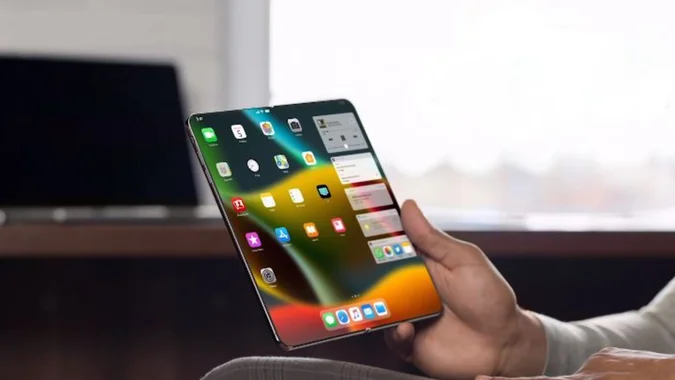
Picture this. You’ve been watching foldable phones evolve for years, from Samsung’s pioneering efforts to Google’s polished Pixel Fold. You’ve admired the engineering, wondered about the durability, and waited for the moment Apple would finally enter the arena. That moment is coming, according to analyst Ming-Chi Kuo, with a late 2026 announcement planned. But here’s the reality check that might dampen your excitement. Getting your hands on Apple’s first foldable iPhone could feel like winning the lottery, with supply constraints potentially stretching well into 2027.
Kuo’s latest analysis paints a picture of a product launch where announcement schedules might stay on track, but actual availability won’t. The usual fall 2026 unveiling is still the target, but “smooth shipments” won’t materialize until 2027. This isn’t just about waiting a few extra weeks. We’re talking about prolonged stock shortages that could make specific storage options or colors disappear within minutes, leaving many shoppers facing wait times measured in months rather than days.
Why Foldables Are So Hard to Build Right
Let’s talk about what makes foldable phones different from the slab-style devices we’re used to. It’s not just about adding a hinge, though that’s complex enough. The entire display assembly needs to withstand hundreds of thousands of folds without developing visible creases or losing brightness uniformity. Apple is reportedly still finalizing their hinge mechanism, which tells you everything about how challenging this engineering puzzle really is.
The display layers themselves are a marvel of modern manufacturing. Ultra-thin glass needs to maintain flexibility while resisting micro-cracks. Each layer from the protective cover to the OLED panel beneath has to work in perfect harmony. Early production yields for these components are notoriously low, meaning factories throw away a significant percentage of what they produce. This isn’t unique to Apple. Samsung faced similar challenges with their first Galaxy Fold, and they’ve had years to refine their process.
Imagine the pressure on Apple’s supply chain partners. They’re not just building another iPhone. They’re creating what amounts to a pocket-sized iPad mini that needs to survive being opened and closed dozens of times daily. The margin for error is microscopic, and every defect means one less unit reaches customers.
The Consumer Experience: Waiting in the Digital Queue
So what does this mean for you, the potential buyer? First, prepare for that launch day scramble to feel more intense than anything we’ve seen before. Remember trying to get a PlayStation 5 during the pandemic, or the early days of iPhone launches when websites crashed under demand? Multiply that anticipation by Apple’s brand power entering a new category, and you get an idea of the feeding frenzy.
Smaller markets might get particularly shortchanged. If you’re outside major regions like the US, Europe, or China, your chances of walking into a store and finding a foldable iPhone on the shelf in 2026 are slim to none. Even within those markets, specific configurations could become unicorns. Want the highest storage tier in a particular color? Better set multiple alarms and have your payment information ready to go the second pre-orders open.
Kuo’s forecasts suggest the foldable iPhone might sell in the “teens of millions” by 2027. That sounds impressive until you realize Apple typically sells tens of millions of regular iPhones in a single quarter. The ramp-up will be gradual, moving from what essentially functions as a halo product to something approaching mass-market availability over years, not months.
Market Dynamics and the Android Advantage
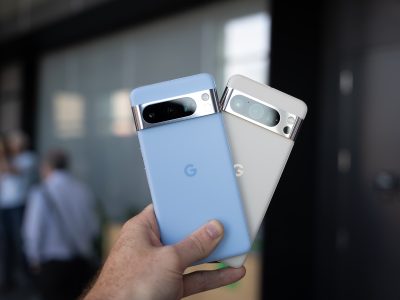
This supply crunch creates an interesting opportunity for Samsung, Google, and other Android foldable makers. While Apple’s entry will undoubtedly legitimize the category for mainstream buyers who’ve been sitting on the fence, early shortages mean those competitors get extra time to solidify their market positions. Samsung’s Galaxy Z Fold series has evolved through multiple generations, addressing durability concerns and refining the user experience. Google’s Pixel Fold brings that clean software integration Android fans love.
For consumers, this might mean a practical choice. Do you wait potentially years for Apple’s version, or invest in a mature Android foldable that’s available today? Some users might look at the constrained supply and ultra-premium price tag of Apple’s first attempt and decide to skip this generation entirely. They’ll wait for the second or third iteration, when production kinks are worked out, durability is proven, and availability matches demand.
The Bigger Picture: What This Means for Apple’s Strategy
From an industry perspective, Apple’s cautious approach makes sense. They’ve watched competitors navigate the early pitfalls of foldable technology. They’ve seen the durability concerns, the software optimization challenges, the manufacturing headaches. By taking their time and accepting limited initial volumes, they’re prioritizing quality and user experience over rushing to market.
This production reality check isn’t necessarily bad news for Apple. It allows them to treat their first foldable iPhone as what it essentially will be: a proof of concept, a statement piece, a device that says “we can do this too, and we’ll do it our way.” The limited availability might even create an aura of exclusivity that drives even more demand.
For those of us who cover this industry, watching how Apple handles these manufacturing challenges will be fascinating. Their supply chain mastery is legendary, but foldables represent a fundamentally different kind of problem. How they solve it will influence not just their own future products, but the entire category’s evolution.
Practical Advice for Would-Be Buyers
If you’re determined to be an early adopter of Apple’s foldable vision, start planning now. Follow reliable analysts like Ming-Chi Kuo for timeline updates. Understand that launch day might be more of a starting gun for a marathon wait than an immediate purchase opportunity. Consider whether you need the absolute first generation, or if waiting for the refined second model makes more sense for your budget and patience.
Also, keep an eye on how competing foldables evolve during this period. Samsung isn’t standing still. Their Galaxy Z Flip and Fold lines continue to improve with each generation, addressing early criticisms about durability and software optimization. Google’s Pixel Fold brings that cohesive Android experience many prefer. These alternatives might offer a satisfying foldable experience without the wait or premium price tag.
Ultimately, the arrival of Apple’s foldable iPhone represents a milestone for mobile technology. But like many technological leaps, the transition from concept to commonplace takes time, iteration, and manufacturing scale. The excitement of that first reveal will be genuine. The reality of actually owning one might require more patience than many enthusiasts anticipate. In the world of cutting-edge gadgets, sometimes the hardest part isn’t deciding what you want, but actually getting your hands on it.