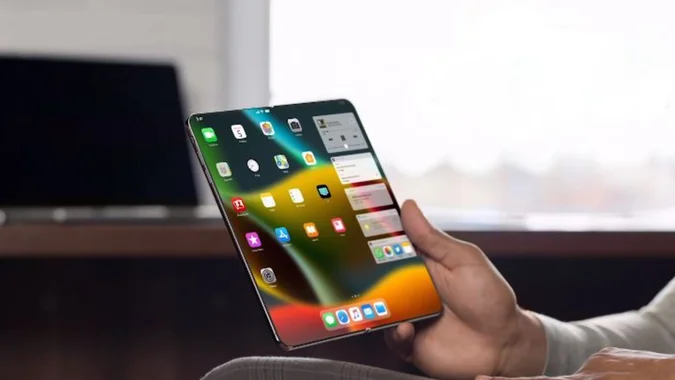
Imagine waiting in line for the next big thing from Apple, that moment when you finally get to unfold a pocket sized iPad Mini experience that actually fits in your hand. Now picture walking away empty handed because there simply aren’t enough to go around. According to industry analyst Ming Chi Kuo, that frustrating scenario might become reality for Apple’s first foldable iPhone, with supply constraints potentially stretching well into 2027.
The device is reportedly on track for a late 2026 announcement, likely during Apple’s usual fall event. But here’s the catch, smooth shipments and widespread availability probably won’t happen until the following year. This isn’t just typical launch day scarcity, it’s a fundamental production nightmare rooted in the complex physics of foldable displays.
Why Foldables Are So Hard to Build
Let’s break down what makes these devices so tricky. A regular smartphone is essentially a slab of glass and metal with components sandwiched inside. Simple enough after a decade of refinement. But a foldable? That’s engineering on another level entirely.
You’ve got the hinge mechanism, which needs to feel buttery smooth through hundreds of thousands of folds while maintaining perfect alignment. Then there’s the ultra thin glass display layer that must flex without developing permanent creases. Each of these components introduces new failure points during manufacturing. Early production yields for such complex assemblies tend to be low, meaning factories throw away more units than they ship.
Apple is reportedly still finalizing certain hardware elements, including that crucial hinge design. This uncertainty adds risk to the production timeline. When you combine delicate components with unproven manufacturing processes, you get the kind of serious supply shortages that can’t be solved overnight.
What This Means for You, the Buyer
Picture this, it’s fall 2026. Apple’s keynote has just revealed their revolutionary foldable iPhone. The design looks incredible, like an iPad Mini that magically fits in your pocket. You’re ready to pre order immediately. But then you check availability, and delivery estimates already stretch into 2027.
This isn’t hypothetical. Kuo’s analysis suggests constrained supply through at least the end of 2026, with many shoppers facing weeks or months of waiting. The situation could be especially tough in smaller markets or for specific storage and color configurations. If demand matches expectations, launch year stock might disappear in minutes.
Some industry watchers believe the foldable iPhone could function more like a halo product in its first year. Think ultra premium pricing combined with intentionally limited availability. It becomes less about selling millions of units and more about establishing Apple’s presence in the category. For early adopters willing to pay top dollar, getting their hands on one might feel like winning the lottery.
The Ripple Effect Across the Market
Apple’s entry into any product category tends to shake up the entire market. But here’s an interesting twist, prolonged shortages of Apple’s foldable might actually benefit competitors like Samsung and Google in the short term.
While Apple works through its major supply crunch, Samsung’s Galaxy Z Fold series and Google’s Pixel Fold could continue dominating shelf space. Consumers who want a foldable now, not in 2027, will have plenty of Android options to choose from. This gives established players extra time to refine their designs and build customer loyalty before Apple reaches full production capacity.
Looking at Samsung’s roadmap, rumors suggest their Galaxy Z Flip 8 could represent their thinnest and most refined foldable yet. That’s the kind of innovation that happens when you’ve had years to iterate on a product category.
The Long Game and Consumer Patience
Kuo’s forecasts suggest the foldable iPhone might sell in the “teens of millions” by 2027. That represents a gradual climb from extremely limited early supply to true mass market volumes. Apple will need to ramp up production slowly as factories gain experience and yields improve.
For many potential buyers, this timeline raises an important question, should you wait for the first generation model, or hold out for the second iteration? History shows that Apple often makes significant improvements between initial releases and their successors. Combine that with potentially better availability in 2028, and skipping the first generation starts to look like a smart move for all but the most dedicated early adopters.
The reality is that building revolutionary technology at scale takes time. Apple’s approach has always been to wait until they can execute at their standard of quality, even if that means arriving later to the party. With foldables, they’re facing one of their toughest manufacturing challenges yet. The result might be a product that’s as elusive as it is exciting, at least for the first year or two.
So mark your calendars for late 2026, but maybe keep your expectations in check about actually owning one before 2027. In the world of cutting edge tech, sometimes the hardest part isn’t the engineering, it’s the waiting.