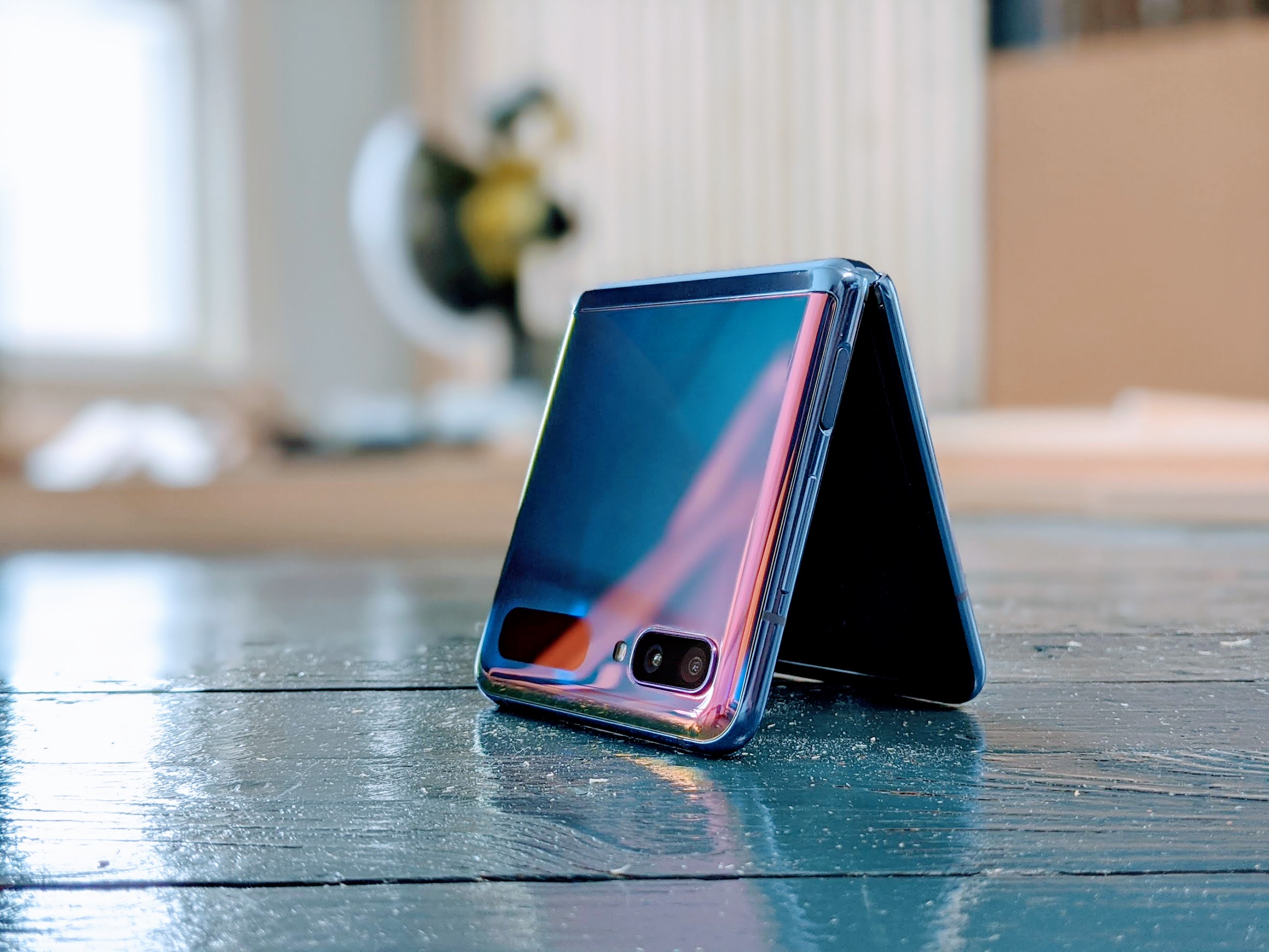
We have been waiting for Apple to enter the foldable phone arena for what feels like forever. The anticipation builds with every Samsung Galaxy Z Fold release, every Oppo Find N announcement. When Apple finally unveils its first foldable iPhone, expected in late 2026, the excitement will be palpable. But here is the hard truth, getting your hands on one might feel like winning the lottery.
According to respected analyst Ming Chi Kuo, Apple’s foldable iPhone faces what he describes as a production reality check. The device is on track for a second half of 2026 announcement, likely during the usual fall iPhone event. However, smooth shipments and widespread availability will not happen until 2027. This is not just a minor delay. It is a fundamental challenge of manufacturing something entirely new for Apple.
Why Foldables Are Manufacturing Monsters
You cannot just take a regular iPhone and add a hinge. Foldable phones represent one of the most complex consumer electronics manufacturing challenges today. Think about it. You need ultra thin glass that can bend thousands of times without cracking. You need a hinge mechanism with dozens of tiny, precision components that must align perfectly every single time the phone opens and closes. You need display layers that do not develop permanent creases.
Apple is reportedly still finalizing key hardware elements, including that all important hinge mechanism. This is not unusual for a first generation product, but it increases risk. Early production yields, meaning the percentage of units that come off the line without defects, will be low. Very low. Factories need time to learn, to refine their processes, to train workers on entirely new assembly techniques.
This leads to what Kuo and other supply chain observers are calling a major supply crunch. Apple will start with extremely conservative production volumes. If demand matches even a fraction of the expected hype, launch year stock will vanish in minutes. For many shoppers, especially in smaller markets or those wanting specific colors and storage configurations, wait times could stretch for weeks or even months.
The Consumer Reality, Waiting in Line
Imagine this scenario. It is September 2026. The foldable iPhone is finally real. The keynote was stunning. The design looks incredible. You are ready to order at 5:01 AM Pacific time. The website loads, you click through, and you are placed in a digital queue. By the time you reach the front, every configuration is backordered until January 2027. This is not fear mongering. This is the likely outcome based on current production forecasts.
In its first year, Apple’s foldable iPhone will function more like a halo product than a mass market device. Constrained supply, combined with what will certainly be an ultra premium price tag well above even the iPhone Pro Max, means it becomes a tech status symbol. Something you see reviewers and celebrities using, but not something easily found in your local carrier store.
Kuo’s outlook suggests the iPhone Fold might sell in the teens of millions by 2027. That sounds like a lot, but it represents a gradual climb from painfully limited early supply. It means true, walk in and buy it availability is a 2027 story, not a 2026 one. This creates a fascinating window of opportunity for competitors.
The Ripple Effect Across the Market
Apple’s entry will instantly legitimize the foldable category for millions of mainstream buyers who have been sitting on the sidelines. But if they cannot buy an Apple foldable, where do they look? Right to Samsung’s Galaxy Z Fold series, to Google’s Pixel Fold, and to other Android options.
Early shortages may actually help Samsung and others hold onto, or even grow, their market share in the short term. A consumer walks into a store, asks for the new foldable iPhone, gets told it is backordered for months, and the salesperson naturally points them to the Galaxy Z Fold 8 sitting right there on the shelf. It is a ready to go, refined alternative.
To Wait or Not to Wait
This leads to the big question for enthusiasts. Do you try to fight the crowds and supply constraints for a first generation product, knowing it might have early adopter growing pains? Or do you exercise patience?
Many users might skip this first gen model entirely if supply stays tight deep into 2027. They will wait for a second generation foldable iPhone, which will likely benefit from improved durability, better yields, wider availability, and potentially a more refined software experience tailored for the form factor.
There is a certain wisdom in waiting. First generation Apple products, while often beautifully engineered, can have quirks. Remember the antenna gate on the iPhone 4? The bendable iPhone 6 Plus? The keyboard issues on early MacBook Pros? The second iteration usually smooths out the rough edges.
So as we look toward late 2026, temper your expectations. The dream of an Apple foldable is coming true, but the reality of owning one might require more patience than we would like. Start saving your money, and maybe practice your quick click fingers for that pre order day. You are going to need them.