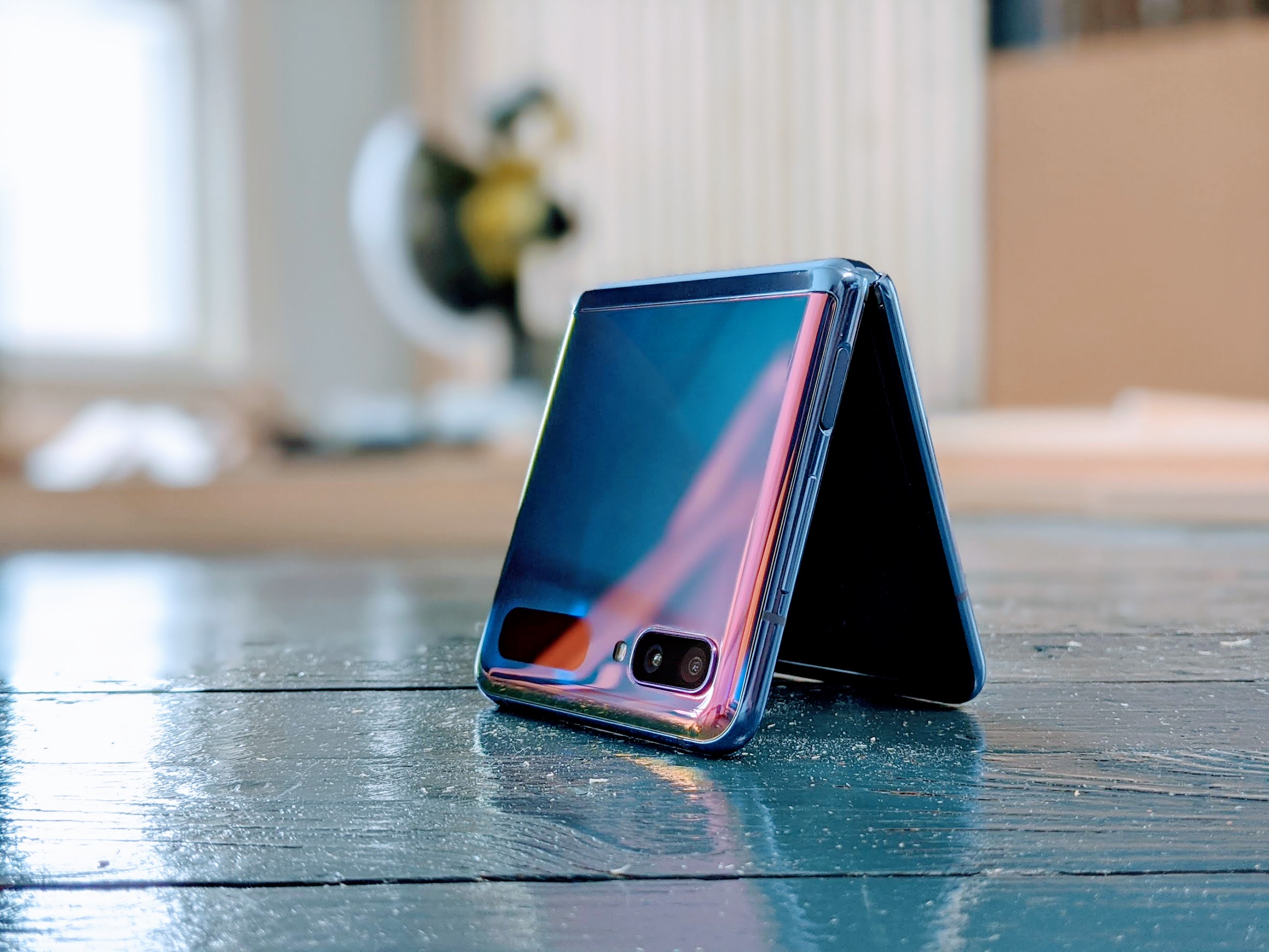
Picture this. It’s fall 2026, and Apple finally takes the stage to unveil what everyone’s been waiting for, the first foldable iPhone. The crowd goes wild, social media explodes, and you’re already imagining that satisfying snap as you fold your new device closed. But here’s the reality check that might dampen the excitement. According to trusted analyst Ming-Chi Kuo, actually getting your hands on one could feel like winning the lottery, with supply constraints potentially stretching well into 2027.
The Production Puzzle: Why Foldables Are Different
Building a foldable phone isn’t like assembling a traditional slab smartphone. Think about it. You’re asking a display to bend thousands of times without developing a visible crease. You need a hinge mechanism that feels premium, doesn’t collect pocket lint, and survives years of daily folding. Then there’s the ultra-thin glass that has to maintain its integrity through all that flexing.
From what we’re hearing in supply chain circles, Apple is still working through final hardware decisions, particularly around that crucial hinge mechanism. This isn’t surprising. When you’re Apple, you don’t just release a folding phone, you release the folding phone. The one that sets new standards for durability and user experience. But that perfectionism comes at a cost during the early production phase.
Low yields are the industry term for when factories struggle to produce enough working units. With foldables, those yields can be painfully low at first. Every hinge that doesn’t feel quite right, every display layer that shows the slightest imperfection after stress testing, that’s a unit that doesn’t make it to store shelves. Kuo’s analysis suggests Apple will start with very conservative production volumes, knowing that getting every detail perfect matters more than flooding the market.
What This Means for Your Wallet and Wait Time
Let’s talk about what this supply crunch actually looks like for you, the potential buyer. If Apple announces in late 2026 as expected, don’t count on walking into a store and picking one up. We’re likely looking at weeks, maybe months of waiting lists, especially for specific colors or storage configurations. Smaller markets might see particularly limited allocations.
The pricing conversation gets interesting too. With constrained supply and what will undoubtedly be complex manufacturing costs, that first foldable iPhone could carry an ultra-premium price tag. We’re talking potentially well north of current Pro Max pricing. For many, this won’t just be a phone upgrade. It’ll be a statement piece, a halo product that shows you’ve got the latest and greatest, regardless of practicality.
Some industry watchers believe Apple might sell only in the “teens of millions” of units by 2027. That sounds like a lot until you remember Apple typically sells tens of millions of iPhones each quarter. This gradual ramp from limited early supply to true mass-market volumes means patience will be more than a virtue. It’ll be a necessity.
The Ripple Effect Across the Industry
Here’s where things get really interesting for the broader smartphone market. Apple entering the foldable space instantly legitimizes the category for mainstream buyers who’ve been sitting on the sidelines. But those early shortages create a window of opportunity for competitors.
Samsung, with years of foldable experience already under its belt, could see its Galaxy Z Fold and Flip series benefit from Apple’s supply constraints. Consumers who want a foldable now, not in 2027, might look to Android alternatives from Google, Motorola, or Chinese manufacturers. This could give the Android foldable ecosystem extra time to mature and compete before Apple truly hits its production stride.
From a design perspective, leaked information suggests Apple is aiming for something special. Early CAD leaks point to a pocket-sized iPad Mini experience, potentially with a crease-free display that could redefine what we expect from folding screens. If Apple can deliver on that promise while solving durability concerns that have plagued earlier foldables, the wait might just be worth it.
Practical Advice for the Patient (and Impatient)
So what should you do if you’re dreaming of a foldable iPhone? First, manage those expectations. Mark your calendar for a potential fall 2026 announcement, but keep your wallet in your pocket a while longer. When pre-orders do open, be ready to act fast, and be prepared for possible shipping delays.
Second, consider whether you want to be an early adopter at all. First-generation products often come with quirks that get ironed out in later iterations. If supply remains tight into 2027 as Kuo’s analysis suggests, waiting for a second-generation model with better availability and potentially refined features might be the smarter play for many users.
Finally, keep an eye on the broader market. While everyone’s attention will be on Apple, competitors won’t be standing still. We could see more aggressive pricing, innovative form factors, or durability improvements from other manufacturers hoping to capture buyers tired of waiting.
The foldable future is coming, and Apple’s entry will undoubtedly accelerate its arrival. But like any technological revolution, getting from here to there involves navigating production realities, supply chain complexities, and the simple fact that building something entirely new takes time. For those willing to wait, the reward could be a folding iPhone that feels like magic. For everyone else, 2027 might feel awfully far away.