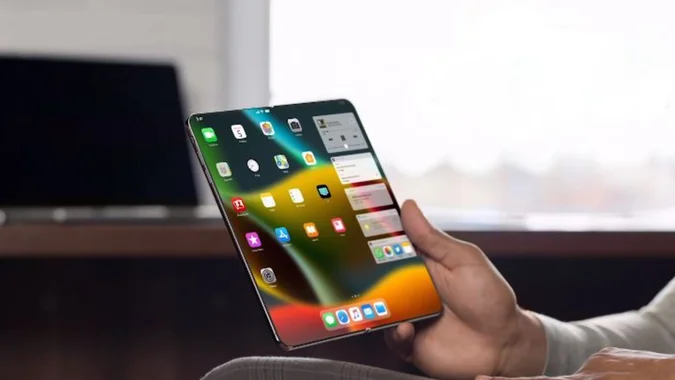
Picture this: it’s fall 2026, and Apple finally unveils the device that’s been whispered about in tech circles for years. The first foldable iPhone. The excitement is palpable. You can already imagine that satisfying snap as it closes, the buttery smoothness of the hinge mechanism, and that signature Apple haptic feedback that makes every interaction feel intentional. But here’s the reality check that might temper your enthusiasm. According to industry analyst Ming-Chi Kuo, actually getting your hands on one could feel like winning the lottery well into 2027.
The Production Puzzle: Why Foldables Are Harder Than They Look
Building a foldable phone isn’t just about taking a regular slab and adding a hinge. It’s an engineering ballet where every component has to dance perfectly together. The ultra-thin glass needs to flex thousands of times without developing micro-cracks. The display layers must maintain perfect alignment through countless open-close cycles. And that hinge mechanism Apple is still finalizing? It’s not just a mechanical joint. It’s a precision instrument that needs to feel solid yet smooth, durable yet lightweight.
Early production yields for these components are notoriously low. Think about it. A regular smartphone display might have a 95% yield rate in manufacturing. For foldable displays, that number can drop to 70% or lower in the initial production runs. Every millimeter of misalignment, every imperfection in the ultra-thin glass, every hinge that doesn’t meet Apple’s exacting standards gets rejected. This isn’t about Apple being picky. It’s about ensuring the device that finally reaches consumers lives up to the brand’s reputation for quality.
Recent CAD leaks have shown what appears to be a crease-free design that could rival the iPad Mini in pocketable form. But turning those CAD designs into mass-produced reality is where the real challenge begins.
The Supply Chain Squeeze: What This Means for You
Let’s talk about what this production reality means for your buying experience. If Apple manages to hit its late 2026 launch window (and that’s still a big if, according to Kuo), don’t expect to walk into a store and pick one up. Launch-day stock will likely evaporate in minutes online. Specific storage configurations and color options? Those could see wait times stretching for months, especially in smaller markets.
Kuo’s analysis suggests Apple might only manage “smooth shipments” by 2027. That’s industry speak for when production finally catches up with demand. Until then, we’re looking at a classic supply-constrained launch where the device functions more as a halo product than something you can actually buy. The price tag, likely positioned in the ultra-premium segment, will only add to the exclusivity.
This situation creates an interesting dynamic in the foldable market. While Apple works through its production challenges, competitors like Samsung have a window to solidify their position. The Galaxy Z Fold and Flip series have had years to iterate on hinge designs, improve durability, and optimize their supply chains. For consumers who want a foldable experience now rather than in 2027, these Android alternatives become much more appealing.
The Consumer Calculus: To Wait or Not to Wait?
So what should you do if you’ve been holding out for Apple’s entry into the foldable space? First, manage your expectations. Mark your calendar for late 2026, but understand that actually securing a device might take additional months of patience and persistence. Set up stock alerts, be ready to act fast when pre-orders open, and consider being flexible on color or storage options.
Second, weigh the value of being an early adopter against waiting for the second generation. Apple’s first-generation products often come with premium price tags and some early-adopter tax in terms of refinement. The second-generation foldable iPhone, likely arriving in 2028, could benefit from all the lessons learned during this difficult production ramp. It might be more widely available, potentially more durable, and possibly even more affordable as production efficiencies improve.
Meanwhile, the foldable market continues to evolve. Samsung’s upcoming Galaxy Z Flip 8 is rumored to be their thinnest and most refined foldable yet, showing how quickly this category is maturing on the Android side. Google, OnePlus, and other manufacturers are also pushing the boundaries of what foldables can do.
The Bigger Picture: What This Means for Foldables
Apple’s entry into any product category tends to legitimize it for mainstream consumers. The company’s reputation for quality and ecosystem integration will undoubtedly bring new attention to foldables. But this production challenge highlights a fundamental truth about the category: foldables are still hard to make at scale.
The technology requires precision engineering, specialized materials, and manufacturing processes that are still being perfected. Even with Apple’s legendary supply chain management and deep pockets, these challenges can’t be solved overnight. They require time, iteration, and patience.
For the tech industry, Apple’s struggles underscore that the foldable revolution will be gradual rather than sudden. For consumers, it means the dream of a foldable iPhone in every pocket is still a few years away. But when it finally arrives at scale, it could redefine how we think about mobile devices. Until then, the wait continues, and the production lines keep working to turn those engineering marvels into devices we can actually hold in our hands.