Picture this: it’s fall 2026, and Apple finally unveils the device that’s been whispered about in tech circles for years. The first foldable iPhone arrives with that signature Apple polish, promising to transform how we use our phones. But here’s the catch: actually getting your hands on one might feel like winning the lottery. According to analyst Ming-Chi Kuo, Apple’s foldable iPhone faces production challenges so significant that smooth shipments won’t happen until 2027, leaving many fans waiting in line far longer than they’d like.
The Manufacturing Mountain Apple Must Climb
Foldable phones aren’t just regular slabs with a hinge slapped on. They’re engineering marvels that push display technology, materials science, and precision manufacturing to their absolute limits. Apple’s entry into this space comes with particular challenges that even the world’s most valuable company can’t simply throw money at to solve overnight.
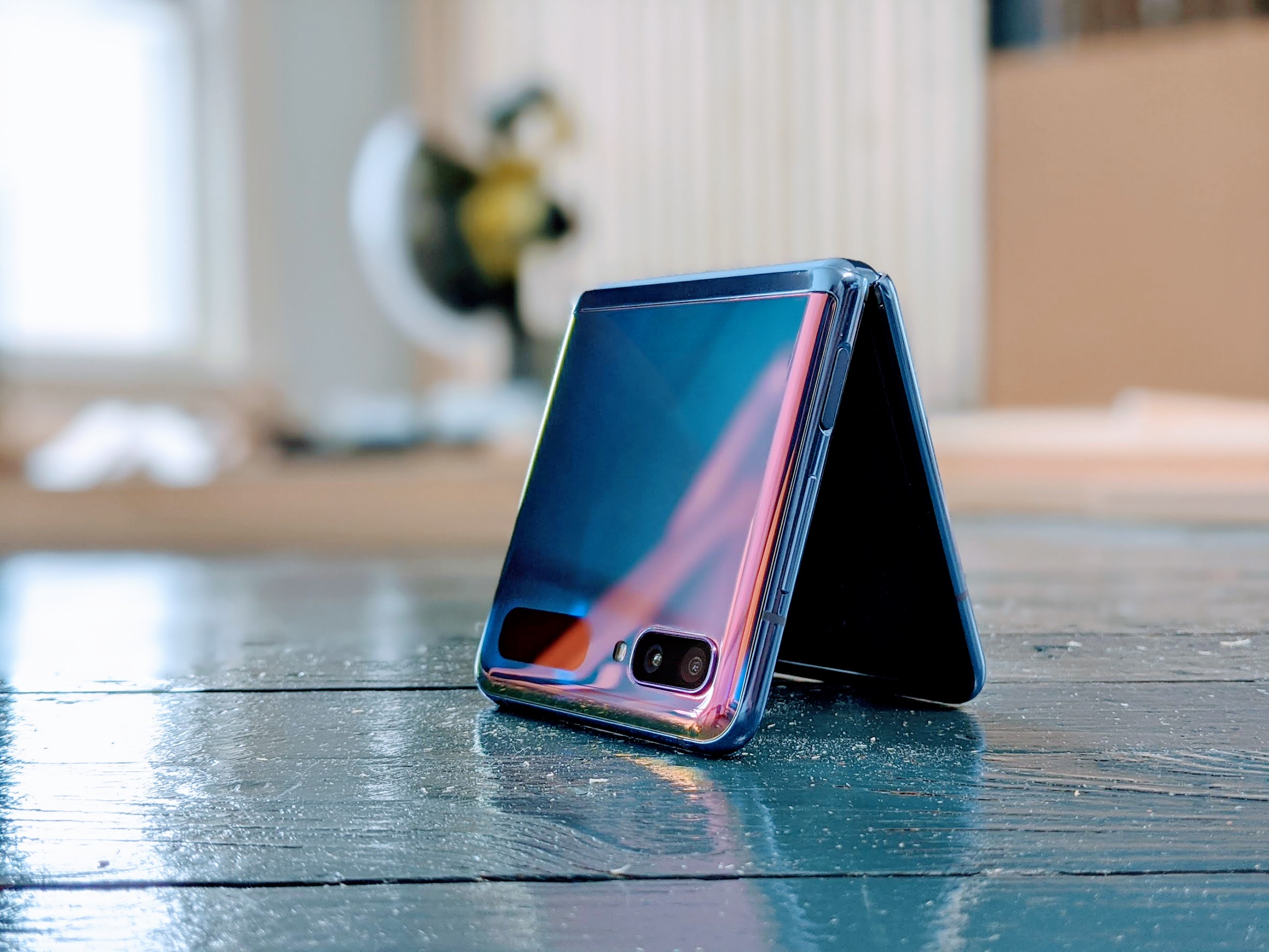
Think about what makes a great foldable: that satisfying snap when it closes, the seamless transition from phone to mini-tablet, and most importantly, a screen that doesn’t show a distracting crease after a few months of use. Apple is reportedly still finalizing key hardware elements, including the hinge mechanism that needs to survive hundreds of thousands of folds while maintaining that buttery smooth feel Apple users expect.
The display presents another major hurdle. Ultra-thin glass layers, flexible OLED panels, and protective coatings all need to work in perfect harmony. Early production yields for these components tend to be low, meaning many displays don’t meet Apple’s notoriously strict quality standards. This isn’t just about making phones; it’s about making enough perfect phones to satisfy what will undoubtedly be massive demand.
Why Your Local Apple Store Might Be Empty
Kuo’s analysis suggests the foldable iPhone could face constrained supply through at least the end of 2026, with what he calls “smooth shipments” not arriving until 2027. This timeline means Apple will likely announce the device on schedule in the second half of 2026, but actually finding one in stock could be a different story entirely.
Imagine walking into an Apple Store next holiday season, ready to upgrade to the future of smartphones, only to be told there’s a waiting list stretching months. For specific storage configurations or color options, especially in smaller markets, the wait could be even longer. This production reality check means Apple might need to be very conservative with initial production volumes, treating the first-generation foldable iPhone more like a halo product than a mass-market device.
From a consumer perspective, this scarcity creates an interesting dynamic. The foldable iPhone will instantly legitimize the category for mainstream buyers who’ve been hesitant about Android alternatives. But if they can’t actually buy one, that validation might not translate into immediate market share gains for Apple.
The Technical Hurdles Behind the Headlines
Let’s break down why foldables are so tricky to manufacture at scale. First, there’s the hinge: dozens of tiny precision components working together to create that perfect fold. Then there’s the display stack: multiple layers of ultra-thin materials that need to bend without cracking or developing permanent creases. Finally, there’s the overall device integrity: ensuring the phone feels solid in hand whether it’s open or closed.
Apple’s approach will likely involve proprietary solutions to these challenges, but developing those solutions takes time. The company is known for waiting until it can deliver a polished experience, which means extra rounds of testing and refinement. This careful approach has served Apple well historically, but in the fast-moving foldable market, it could mean playing catch-up with competitors who’ve been iterating on their designs for years.
Interestingly, these supply constraints might actually benefit Samsung’s Galaxy Z Fold series and other Android foldables. Consumers who want a foldable experience now might turn to established options rather than waiting indefinitely for Apple’s offering. Google’s Pixel Fold and other competitors could also capture buyers who grow tired of waiting.
What This Means for You, the Consumer
If you’re excited about the prospect of a foldable iPhone, you’ll need to manage your expectations. The first-generation model will likely carry an ultra-premium price tag, possibly starting well above current Pro Max models. Combine that with limited availability, and you’re looking at what could essentially function as a tech status symbol rather than an everyday device for most people.
Some users might decide to skip this first-gen model entirely, especially if supply remains tight into 2027. They’ll wait for a second-generation foldable, hoping for better durability, wider availability, and potentially a more refined design. This pattern isn’t unusual in tech: early adopters pay a premium and deal with quirks, while mainstream buyers wait for the more polished second or third iteration.
The silver lining? When Apple does finally achieve mass production, the company’s legendary supply chain expertise should ensure the foldable iPhone becomes widely available. Kuo’s forecasts suggest sales in the “teens of millions” by 2027, representing a gradual climb from limited early supply to true mass-market volumes.
The Bigger Picture in Foldable Tech
Apple’s entry into the foldable space represents a critical moment for the entire category. While Android manufacturers have been experimenting with foldable designs for years, Apple’s participation signals that foldables are here to stay as a legitimate form factor. The company’s influence on design standards, software optimization, and user experience will likely raise the bar for everyone.
However, this major supply crunch highlights just how challenging foldable manufacturing remains, even for a company with Apple’s resources. It’s a reminder that sometimes the most exciting tech innovations take time to perfect and even longer to produce at scale.
As we look toward 2026 and beyond, the foldable iPhone represents both an exciting new chapter for Apple and a test of the company’s ability to navigate complex manufacturing challenges. For consumers, it means balancing excitement with patience, understanding that the future of smartphones might take a little longer to arrive than we’d like. But if Apple’s history is any guide, the wait will likely be worth it for a device that redefines what we expect from our pocket computers.