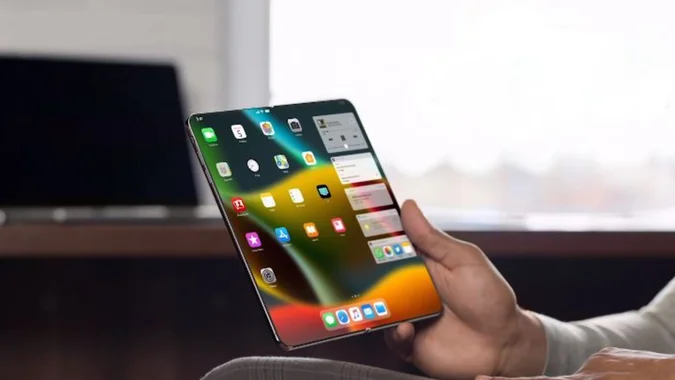
Picture this: it’s fall 2026, and Apple finally unveils its first foldable iPhone. The internet erupts. Tech reviewers scramble for hands-on time. And you, the eager Apple fan, start saving up. But here’s the catch: actually getting your hands on one might feel like winning the lottery. According to industry analyst Ming-Chi Kuo, Apple’s foldable iPhone could remain frustratingly elusive well into 2027 due to serious production challenges.
The Technical Hurdles: Why Foldables Are So Hard to Build
Let’s break down why Apple’s entry into the foldable market faces such steep obstacles. Unlike the slab-style iPhones we’re used to, foldable phones introduce mechanical complexity that even Apple can’t instantly master. The hinge mechanism alone represents a miniature engineering marvel, requiring hundreds of tiny components to work in perfect harmony thousands of times without failure.
Then there’s the display. Modern foldables use ultra-thin glass that can bend without cracking, sandwiched between protective layers and touch sensors. Getting the yield rates high enough for Apple’s legendary quality standards? That’s where the real challenge begins. Early production runs typically see higher defect rates as factories dial in their processes, and Apple won’t ship anything that doesn’t meet their exacting standards.
Remember when you first handled a folding phone and marveled at how the screen could actually bend? That magic comes at a cost. Each additional layer in the display stack, each moving part in the hinge, represents another potential failure point during manufacturing. Apple’s supply chain partners are still finalizing these critical components, which means production volumes will start conservatively and ramp up slowly.
The Supply Chain Reality
From my years covering consumer electronics, I’ve seen this pattern before. When a company enters a new form factor category, especially one as technically demanding as foldables, the first year often functions as an extended beta test at scale. Kuo’s analysis suggests Apple’s foldable iPhone will follow this exact trajectory, with “smooth shipments” not arriving until 2027.
This isn’t just speculation. The same production reality check has been echoed across multiple industry reports. Apple will likely announce the device in late 2026 as planned, but actual availability will be severely constrained through at least the end of that year. We’re talking weeks or months of waiting lists, especially for specific storage configurations or color options.
What does this mean in practical terms? If Apple follows its usual pattern, the foldable iPhone will debut at an ultra-premium price point, probably well above current Pro Max models. Combine that with limited stock, and you’ve got a recipe for what industry insiders call a “halo product”—something that generates buzz and showcases technological prowess, but remains out of reach for most consumers.
The Consumer Experience: Planning Your Purchase
Imagine it’s launch day. You’ve set reminders, prepared your payment method, and are ready to click “buy” the moment orders go live. But what happens when the website crashes under unprecedented demand, and when it comes back up, shipping estimates have slipped to 8-10 weeks? This scenario feels increasingly likely for Apple’s first foldable.
For everyday users, the implications are clear. If you’re someone who upgrades annually, you might need to adjust expectations. The foldable iPhone’s first generation could function more as a status symbol than a practical daily driver for the masses. This creates an interesting dynamic where Samsung’s Galaxy Z Fold series and other Android foldables get an extended runway to refine their offerings and capture market share.
There’s also the durability question. First-generation foldables from any manufacturer typically have room for improvement in hinge mechanisms and screen longevity. Some prospective buyers might look at the combination of high price, limited availability, and first-gen concerns and decide to wait for the second iteration. As one industry veteran told me recently, “Sometimes the smartest purchase is the one you don’t make immediately.”
Market Implications and the Bigger Picture
Apple’s entry into foldables will undoubtedly legitimize the category for mainstream consumers. But the supply constraints mean this validation might not immediately translate into sales dominance. Kuo’s forecasts suggest the iPhone Fold might sell in the “teens of millions” by 2027, which represents a gradual climb from limited early production rather than an instant blockbuster.
This extended ramp-up period gives competitors valuable time. Samsung has been iterating on its foldable designs for years, and each generation brings meaningful improvements in durability, crease visibility, and overall user experience. Google, OnePlus, and other Android manufacturers are also pushing forward with their own foldable visions.
The silver lining? When Apple does solve its production challenges and achieves scale, the entire ecosystem benefits. Component suppliers gain experience, manufacturing processes improve, and consumers eventually get more reliable products at better prices. But getting there requires patience through what could be a challenging initial period.
What This Means for You
If you’re excited about foldable technology and committed to the Apple ecosystem, start managing expectations now. The 2026 announcement will generate tremendous excitement, but actual ownership might need to wait until 2027 or beyond for many customers. Consider whether being an early adopter is worth the potential headaches of limited availability and first-generation quirks.
Alternatively, this might be the perfect time to explore the current foldable landscape from other manufacturers. The competition has never been stronger, with multiple compelling options available at various price points. Each generation brings improvements that address early concerns about durability and practicality.
Ultimately, Apple’s journey into foldables represents both an exciting technological frontier and a reminder that even the world’s most valuable company faces real-world manufacturing constraints. The future of mobile devices is folding, but accessing that future might require more patience than we’re used to. As the industry watches Apple navigate these production challenges, one thing becomes clear: the era of instantly available, mass-market foldables is still being written, one hinge mechanism and display layer at a time.