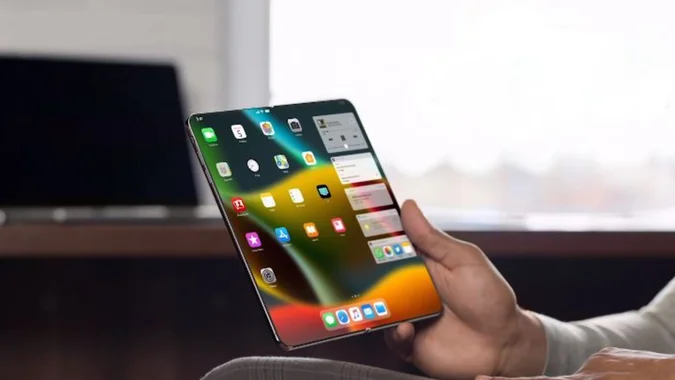
Picture this: It’s fall 2026, and Apple finally unveils its first foldable iPhone. The design looks stunning in the keynote video—a seamless hinge, a crease-free display that folds like a magazine, and that signature Apple polish we’ve been waiting for. You’re ready to pre-order the moment the page goes live. But here’s the catch: actually getting your hands on one might feel like winning the lottery.
According to analyst Ming-Chi Kuo, Apple’s foldable iPhone is facing a production reality check that could keep it frustratingly scarce well into 2027. The device is still on track for a late 2026 announcement, but “smooth shipments” won’t happen until the following year. What looks like a simple engineering challenge on stage turns into a manufacturing nightmare behind the scenes.
Why Foldables Are So Hard to Build
Let’s break down what makes foldable phones different from the slabs we’re used to. A regular smartphone display sits flat on a rigid frame. A foldable display needs to bend thousands of times without developing a visible crease or failing. The hinge mechanism alone contains dozens of tiny components that must align perfectly every single time the phone opens and closes.
Apple is reportedly still finalizing its hinge design, which tells you everything about the complexity involved. Then there’s the ultra-thin glass layer that protects the OLED panel underneath. Get the thickness wrong by a fraction of a millimeter, and you either compromise durability or create too much tension when folding. The display layers themselves—the polarizer, touch sensor, and OLED emitter—all need to flex in harmony.
Early production yields for these components tend to be low. Factories need time to perfect their processes, and Apple is known for being conservative with initial production volumes when quality is at stake. This isn’t about cutting corners; it’s about ensuring the device meets Apple’s notoriously high standards right out of the gate.
The Consumer Impact: What This Means for You
If you’re planning to upgrade to Apple’s first foldable iPhone, prepare for some frustration. Launch-year stock will likely disappear within minutes, and many shoppers could face weeks or even months of waiting. Smaller markets might get particularly limited allocations, and specific storage or color options could become unicorns. This major supply crunch means finding one before 2027 could require serious luck and timing.
Kuo’s forecasts suggest the iPhone Fold might only sell in the “teens of millions” by 2027. That sounds like a lot until you realize Apple typically sells tens of millions of iPhones within weeks of a new launch. This constrained supply creates a perfect storm: massive pent-up demand meeting extremely limited availability.
The pricing won’t help either. Expect this first-generation foldable to carry an ultra-premium price tag, potentially well above current Pro Max models. Between the limited stock and high cost, Apple’s foldable iPhone might function more as a halo product—a tech status symbol that legitimizes the category for mainstream buyers—than as something most fans can actually own.
Industry Ripples and Competitor Advantages
Apple’s entry into the foldable market will instantly validate the category for millions of consumers who’ve been waiting for the company’s stamp of approval. But those early supply constraints create an interesting opportunity for competitors.
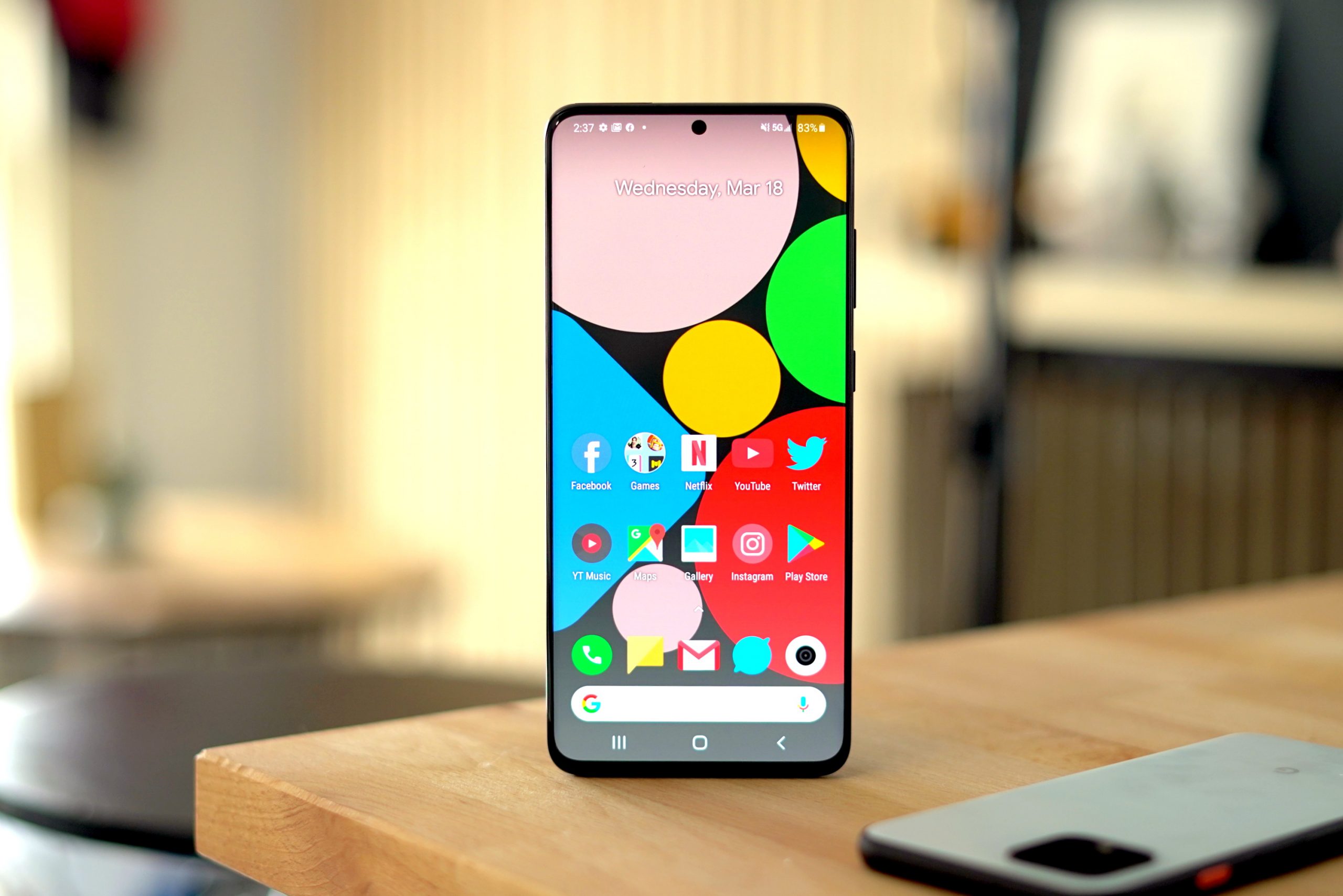
Samsung’s Galaxy Z Fold series, Google’s Pixel Fold, and other Android foldables could benefit from Apple’s scarcity. Consumers who want a foldable experience now might turn to established options rather than waiting indefinitely for Apple’s version. This gives Android manufacturers more time to refine their own designs and build market share before Apple’s production ramps up.
From a supply chain perspective, Apple’s struggles highlight just how difficult foldable manufacturing remains, even for a company with Apple’s resources and supplier relationships. The companies that provide hinge mechanisms, ultra-thin glass, and flexible displays are all pushing the boundaries of materials science and precision engineering.
Practical Advice for Foldable Enthusiasts
So what should you do if you’re excited about Apple’s foldable future? First, manage your expectations. Mark your calendar for fall 2026 announcements, but don’t expect to walk into a store and buy one that same day. Set up alerts for pre-orders, and be ready to act fast when they open. Realistically, finding one before 2027 will require both preparation and patience.
Consider whether you really need to be an early adopter. First-generation products often come with compromises beyond just availability. The second or third iteration might offer better durability, wider availability, and potentially even lower prices as production scales up and component costs come down.
If you want a foldable experience sooner rather than later, explore the current market. Today’s foldables from Samsung, Google, and others have matured significantly over several generations. They offer a glimpse into what Apple’s version might deliver, without the wait.
Looking Ahead to 2027 and Beyond
The silver lining in all this is that Apple’s entry will accelerate the entire foldable ecosystem. Component suppliers will invest more in R&D, manufacturing techniques will improve, and competition will drive innovation across the board. What starts as a niche product for early adopters could become mainstream faster thanks to Apple’s influence.
By 2027, production yields should improve, and Apple will have worked through its initial manufacturing challenges. The company has a history of starting with conservative volumes for new form factors—remember the original Apple Watch or the first iPad—before scaling up to meet mass-market demand.
For now, the message is clear: Apple’s foldable iPhone is coming, but patience will be your most valuable accessory. The wait might test your resolve, but the result could redefine what we expect from smartphones altogether. In the meantime, the entire industry watches and learns, preparing for the moment when folding phones stop being a novelty and start being the new normal.