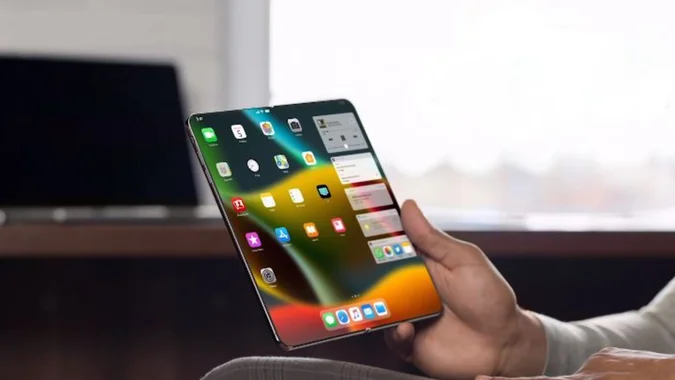
Picture this: it’s fall 2026, and Apple finally unveils its first foldable iPhone. The event streams live, showing that gorgeous hinge mechanism working flawlessly, the display folding without a visible crease, and Tim Cook beaming with pride. You’re ready to pre-order the moment the page goes live. But here’s the reality check you need: actually getting your hands on one before 2027 might require more luck than skill.
According to industry analyst Ming-Chi Kuo, Apple’s foldable iPhone faces a major supply crunch that could keep it frustratingly elusive through most of 2027. The device is reportedly on track for a late 2026 announcement, but “smooth shipments” won’t happen until the following year. This isn’t just typical Apple scarcity marketing, it’s a genuine production bottleneck that stems from the fundamental complexity of foldable technology.
The Engineering Mountain Apple Must Climb
Foldable phones aren’t just regular smartphones with a hinge slapped in the middle. They’re marvels of micro-engineering that demand perfection across multiple fragile components. The ultra-thin glass layer needs to withstand hundreds of thousands of folds without developing micro-cracks. The hinge mechanism has to feel satisfyingly precise while surviving daily pocket adventures. Then there’s the display itself, multiple layers that must bend uniformly without creating that telltale crease down the middle.
Apple is reportedly still finalizing key hardware elements, particularly that hinge mechanism. In the supply chain world, this translates to low early production yields. Factories need time to perfect their assembly processes, and each component has higher defect rates during these initial runs. Think about it: if even 5% of hinge mechanisms fail quality control, that’s thousands of devices that never make it to store shelves.
Why Your Local Apple Store Will Have Empty Shelves
Kuo’s analysis suggests the foldable iPhone might only reach “teens of millions” in sales by 2027. For context, Apple sells nearly 200 million regular iPhones annually. This constrained supply means launch-year stock will disappear faster than you can say “Apple Card monthly installments.”
Smaller markets might see particularly limited allocations. Want a specific storage configuration or color? Prepare for weeks or even months of waiting. This scarcity creates a perfect storm: intense consumer demand meets severely limited supply, turning the first-generation foldable iPhone into more of a halo product than a mainstream device.
The irony here is palpable. While Apple struggles with production, competitors like Samsung have been refining their foldable lineup for years. The Galaxy Z Flip series continues to evolve with each generation, offering increasingly polished experiences at more accessible price points. Google’s foldable efforts, while still finding their footing, benefit from the company’s rapid software iteration cycle, as seen in their recent Pixel updates that quickly address user concerns.
What This Means for Your Upgrade Cycle
If you’re planning to jump on the foldable bandwagon with Apple’s first attempt, temper your expectations. The combination of constrained supply and what’s likely to be an ultra-premium price tag means this device will function more as a tech status symbol than your daily driver.
Some enthusiasts might opt to skip this first generation entirely, especially if rumors about second-generation improvements prove accurate. Better durability, wider availability, and potentially more competitive pricing could make the 2028 model a smarter buy for most consumers.
From an industry perspective, Apple’s entry will undoubtedly legitimize foldables for the mainstream audience. But their production struggles highlight just how difficult this category remains, even for a company with Apple’s supply chain mastery and engineering resources.
The Silver Lining in This Scarcity Story
There’s an unexpected benefit to this extended ramp-up period. By the time Apple achieves mass production volumes in 2027, they’ll have worked out most first-generation kinks. Early adopters who do manage to secure a unit will essentially be beta testing for the rest of us, with Apple collecting valuable real-world data on hinge durability, display performance, and software optimization.
This gradual approach mirrors how Apple has historically entered new product categories. Remember the original iPhone’s limited carrier partnerships or the first Apple Watch’s exclusive distribution? They’ve mastered the art of controlled scarcity, using it to build hype while refining their manufacturing processes.
So should you camp out for Apple’s foldable iPhone? If you absolutely must have the latest and greatest, and you don’t mind playing the lottery with pre-orders, go for it. But for most of us, watching from the sidelines as Apple works through these production hurdles might be the wiser move. The second-generation model, arriving with lessons learned and supply chains optimized, could deliver the foldable iPhone experience we’re all actually waiting for.