| Metric | Value | Unit | Notes |
|---|---|---|---|
| Folded Thickness | 12 | mm | Rumored measurement when closed |
| Unfolded Thickness | 6 | mm | Rumored measurement when open |
| Weight | 170 | g | Approximately 10% lighter than Z Flip 7 |
| Processor (SoC) | Exynos 2600 | — | 2nm process technology |
| RAM / Storage | 12 / 256-512 | GB | Base model expected with 256GB |
| Battery Capacity | 4,300 | mAh | Rumored minimum capacity, could be higher |
| Launch Price | $1,100 | USD | Expected to match Z Flip 7 pricing |
| Expected Launch | Summer 2026 | — | Likely July based on Samsung’s schedule |
Remember that moment when you first slipped a modern foldable into your pocket and felt that distinct, rectangular bulge? Samsung apparently does, and they’re determined to make that experience a thing of the past. Early whispers about the Galaxy Z Flip 8 suggest the company is going all in on refinement, targeting what could be its slimmest, most pocketable flip phone yet.
Let’s talk about those numbers in the table above. A folded thickness around 12mm and an unfolded profile of just 6mm represents a meaningful step forward. For context, that’s roughly 10% slimmer than the already impressive Z Flip 7. At about 170 grams, it’s not just thin, it’s genuinely light, tipping the scales less than many standard slab smartphones despite packing two displays and a hinge mechanism.
The Pocket Revolution
There’s something uniquely satisfying about a device that disappears into your pocket. I’ve carried enough foldables to appreciate the engineering challenge here. Reducing thickness isn’t just about shaving millimeters, it’s about rethinking internal layouts, battery cell arrangements, and hinge mechanics. Samsung’s experience with previous Z Flip models gives them a serious advantage in this space.
The weight reduction to around 170 grams is particularly noteworthy. For comparison, that’s lighter than most current flagship phones. When you consider this device has to accommodate a folding mechanism, dual battery cells, and that distinctive hinge, hitting that weight target represents some serious materials science and component miniaturization.
Display and Durability: Addressing the Core Concerns
Foldable phones have come a long way, but two complaints consistently surface: the visible crease and durability concerns. Samsung knows this, and rumors suggest they’re attacking both fronts with the Z Flip 8. We’re likely to see further reductions in that center crease visibility, building on the improvements made with each generation.
Durability enhancements are equally crucial. Every time you fold and unfold these devices, you’re testing the limits of materials science. Samsung’s investment in advanced display technology across their product lineup suggests they have the R&D muscle to push foldable reliability forward. The goal isn’t just to make these phones thinner, but to make them feel more substantial and reliable in daily use.
Performance That Doesn’t Compromise
Here’s where things get really interesting. The rumored Exynos 2600 chipset represents Samsung’s next big leap in silicon. Built on a 2nm process, this is the same processor expected to power the Galaxy S26 series. That’s significant because foldables have sometimes felt like they made performance compromises to accommodate their form factor.
Pair that cutting-edge chip with 12GB of RAM, and you’ve got a device that should handle multitasking, gaming, and productivity tasks without breaking a sweat. Storage starting at 256GB with a 512GB option gives users real flexibility, especially important for those who use their phone as their primary camera or work device.
What’s exciting here is the potential for the Z Flip 8 to deliver flagship-level performance in a genuinely compact form factor. No more choosing between power and portability.
Battery Life That Keeps Up With You
The rumored 4,300mAh battery (or potentially larger) addresses one of the most practical concerns about foldables. Battery anxiety has been a real issue with some compact form factors, but Samsung seems committed to solving it. This capacity bump over previous models should translate to a full day of use for most people, even with heavy social media scrolling, video calls, and camera use.
Think about your typical day: morning commute, work hours, evening activities. The Z Flip 8’s battery target suggests it should handle that rhythm without needing a midday top-up. It’s part of a broader trend we’re seeing across the industry, where devices like the OnePlus 15R are pushing battery expectations higher across all price segments.
Market Position and Launch Timeline
At around $1,100, Samsung appears to be holding the line on pricing, matching the Z Flip 7’s launch cost. This keeps them competitive against Motorola’s Razr lineup while maintaining that premium flip phone positioning. It’s a smart strategy, recognizing that early adopters have shown willingness to pay for cutting-edge form factors, but there’s a limit to how high prices can climb.
The summer 2026 launch window, likely July, follows Samsung’s established pattern. This gives the company time to refine the design based on Z Flip 7 feedback and ensures they’re not rushing to market. In the rapidly evolving foldable space, timing matters almost as much as the technology itself.
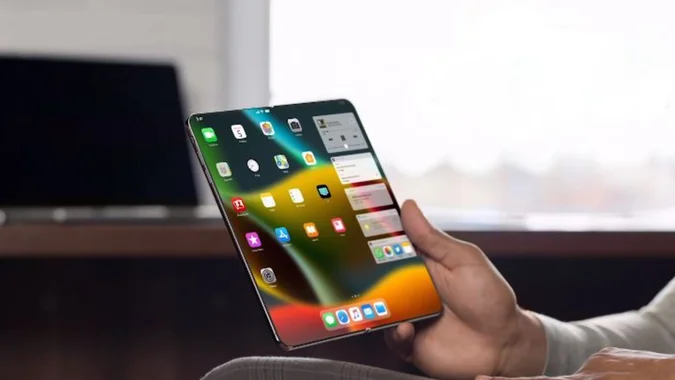
Looking at the broader landscape, it’s fascinating to see how different companies are approaching the foldable concept. While Samsung refines the flip form factor, others are exploring different directions, like Apple’s rumored foldable iPhone that takes a tablet-first approach. This diversity in design philosophy benefits everyone, pushing the entire category forward.
The Big Picture
If these rumors hold true, the Galaxy Z Flip 8 represents more than just another iteration. It could be the device that finally makes foldables feel truly mainstream, addressing the core objections that have held some people back. The combination of reduced thickness, lighter weight, improved durability, and flagship performance creates a compelling package.
What’s most exciting isn’t any single spec, but how they come together. A device that’s thin enough to forget in your pocket, powerful enough to be your primary computer, and durable enough to inspire real confidence. That’s the promise of the Z Flip 8, and if Samsung delivers, it could mark a turning point for foldable phones.
We’re still about a year and a half from the expected launch, so plenty could change. But based on Samsung’s trajectory with the Z Flip series and these early rumors, the future of flip phones looks thinner, lighter, and more capable than ever. The days of foldables feeling like compromises might finally be coming to an end.