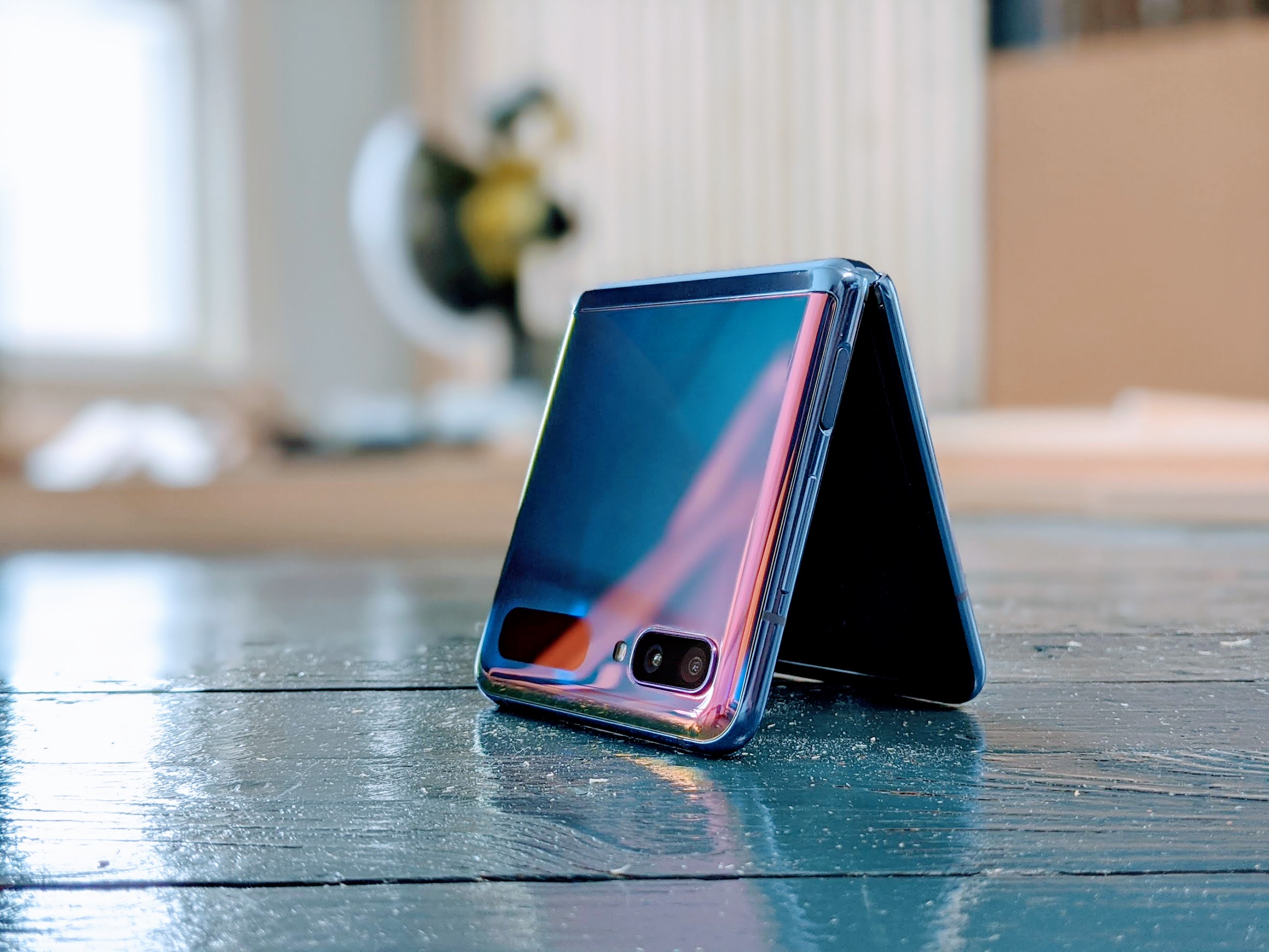
Remember that awkward bulge in your pocket from early foldables? Samsung apparently does too, and they’re determined to make you forget it ever existed. Fresh rumors about the Galaxy Z Flip 8 suggest the company is going all in on slimming down its flip phone formula, potentially delivering the thinnest, lightest, and most pocket-friendly foldable we’ve seen yet.
| Metric | Value | Unit | Notes |
|---|---|---|---|
| Thickness (Folded) | 12 | mm | Rumored measurement when closed |
| Thickness (Unfolded) | 6 | mm | Estimated when fully open |
| Weight | 170 | g | Lighter than most standard smartphones |
| Processor (SoC) | Exynos 2600 | — | 2nm process technology |
| RAM / Storage | 12 / 256-512 | GB | Expected configurations |
| Battery Capacity | 4,300 | mAh | Or higher, per latest rumors |
| Launch Price | 1,100 | USD | Expected to match Z Flip 7 pricing |
| Expected Launch | Summer | 2026 | Likely July based on Samsung’s schedule |
The Pocket Revolution
Slip the Z Flip 8 into your jeans, and you might just forget it’s there. That’s the promise Samsung seems to be chasing with these rumored dimensions. At roughly 12mm when folded and an astonishingly slim 6mm when unfolded, we’re looking at a device that’s about 10% thinner than its predecessor. The weight drop to around 170 grams makes it lighter than most conventional smartphones, despite packing two screens and all the folding mechanics.
Picture this: you’re heading out for the evening, sliding the phone into that tight front pocket that usually protests against anything bulkier than a credit card. No awkward bulge, no constant awareness of a brick-shaped object riding along. That’s the everyday experience Samsung wants to deliver, and if these Galaxy Z Flip 8 rumors hold true, they might just pull it off.
Under the Hood: The 2nm Advantage
Powering this slim marvel could be Samsung’s own Exynos 2600 chipset, built on an advanced 2nm manufacturing process. For those not immersed in semiconductor lingo, think of it this way: smaller nanometer numbers mean more transistors can be packed into the same space, resulting in better performance and efficiency. The 2nm process represents a significant leap forward, potentially offering the kind of power efficiency that foldables desperately need.
Pair that chip with 12GB of RAM, and you’ve got a multitasking machine that doesn’t make the usual foldable compromises. Apps stay open in the background, switching between them feels instantaneous, and that occasional stutter when unfolding the device? It could become a thing of the past. The Exynos 2600 leak suggests this might be the chip that finally lets Samsung’s flagship phones go Snapdragon-free in some regions, and if it delivers on its promises, foldable users stand to benefit tremendously.
Battery Life That Keeps Up With You
Here’s where things get really interesting for daily use. The rumored 4,300mAh battery (or possibly larger) represents a meaningful bump over previous models. In practical terms, this means you can scroll through social media, take video calls, and snap photos throughout your day without that anxious search for a charger by dinnertime.
Battery chemistry has come a long way, and Samsung’s experience with foldable power management gives them an edge. They understand that two screens and complex hinge mechanisms demand smart power distribution. The result should be a device that doesn’t just survive your day but thrives through it, whether you’re a light user checking notifications or someone who lives on their phone from morning to night.
The Display and Durability Equation
Foldable displays have always walked a tightrope between flexibility and durability, with the visible crease being the most common complaint. Samsung’s reportedly working on reducing that crease further while boosting overall screen resilience. Imagine unfolding your phone to reveal a surface that feels nearly seamless, with colors that pop and brightness that holds up even in direct sunlight.
This isn’t just about aesthetics. A less noticeable crease means less distraction when watching videos or reading articles. Better durability translates to peace of mind when you’re using the phone in less-than-ideal conditions. Samsung’s display technology, as seen in their ambitious 2026 Micro-RGB TV expansion, suggests they’re pushing display innovation on multiple fronts, and the Z Flip 8 could be a direct beneficiary of that R&D investment.
Competitive Landscape and Value Proposition
At an expected $1,100 launch price, Samsung keeps the Z Flip 8 competitive against Motorola’s Razr lineup while maintaining that premium flip phone experience. It’s a smart positioning move. Consumers get cutting-edge foldable technology without the astronomical price tags we saw in the early days of the category.
Looking at the broader market, it’s clear Samsung isn’t operating in a vacuum. Apple’s rumored entry into the foldable space, as detailed in Apple’s first foldable iPhone leak, suggests increased competition is coming. This pressure should drive innovation and potentially better pricing for consumers across the board.
The Everyday Experience
Let’s talk about what this all means for your daily routine. That morning commute becomes more productive with a device that unfolds into a proper screen for reading or watching content. Lunch breaks turn into photo sessions with friends, capturing moments on a device that fits comfortably in your hand. Evening wind-down involves browsing or gaming on a display that doesn’t constantly remind you it folds in half.
Software stability matters just as much as hardware specs. Samsung’s One UI has evolved to better support foldables, with app continuity that feels natural rather than jarring. When you unfold the Z Flip 8, apps should transition smoothly from the cover screen to the main display, maintaining your place in videos, articles, or conversations.
Looking Ahead to Summer 2026
If Samsung sticks to its usual schedule, we can expect the Galaxy Z Flip 8 to debut around July 2026. That gives the company time to refine these rumored features and ensure they deliver a polished experience from day one. The supply chain context is crucial here. Samsung’s experience manufacturing foldables at scale gives them an advantage in bringing these devices to market with consistent quality.
Component suppliers from screen manufacturers to hinge specialists have had years to perfect their craft. The result should be a device that feels mature, reliable, and ready for mainstream adoption rather than being an experimental novelty.
If these rumors pan out, the Galaxy Z Flip 8 could represent the culmination of Samsung’s foldable journey. It’s not just about making a phone that folds. It’s about creating a device that disappears into your life, working seamlessly whether it’s in your pocket, in your hand, or on your desk. The promise of foldables has always been versatility without compromise. With the Z Flip 8, Samsung might finally deliver on that promise in a package thin enough, light enough, and smart enough to become your daily driver without second thoughts.