| Metric | Value | Unit | Notes |
|---|---|---|---|
| Display Type | Foldable Dynamic AMOLED | — | Main screen with reduced crease visibility |
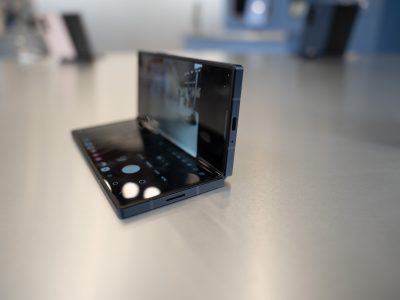
| Thickness (Folded) | 6 | mm | Rumored measurement when closed |
| Thickness (Unfolded) | 12 | mm | Rumored measurement when open |
| Weight | 170 | g | Lighter than most standard smartphones |
| Processor (SoC) | Exynos 2600 | — | 2nm process technology |
| RAM / Storage | 12 / 256-512 | GB | Base model starts at 256GB |
| Battery Capacity | 4,300 | mAh | Meaningful bump from previous models |
| Launch Price | $1,100 | USD | Expected to match Z Flip 7 pricing |
| Expected Launch | Summer 2026 | — | Likely July based on Samsung’s schedule |
Remember that moment when you slipped your last flip phone into a tight jeans pocket and felt that awkward rectangular bulge? Samsung certainly does. The company’s engineers have been chasing the dream of a truly pocket friendly foldable since the original Z Flip debuted, and if the latest rumors hold true, the Galaxy Z Flip 8 might finally deliver that experience.
Early whispers suggest Samsung is going all in on making their next flip phone feel less like a folded brick and more like the sleek, portable device it was always meant to be. We’re talking about measurements that could redefine what we expect from foldable technology.
The Pocket Revolution
Picture this: you’re heading out for the evening, sliding your phone into the front pocket of your favorite jeans. With the Z Flip 8 rumored to measure around 6mm when folded, that’s roughly 10% thinner than its predecessor. At 170 grams, it’s actually lighter than most standard slab smartphones despite packing two screens into its compact form.
The weight reduction isn’t just about numbers on a spec sheet. It’s about that subtle shift in how a device feels throughout your day. That moment when you pull it from your pocket and it doesn’t feel like you’re carrying a small tablet. Samsung seems determined to address the fundamental ergonomic challenge that has plagued foldables since their inception.
Display Refinements That Matter
While the physical dimensions get most of the attention, Samsung’s also reportedly working on what might be even more important for daily users: reducing that visible screen crease and boosting overall durability. These have been two of the most consistent complaints about foldable phones in general, and addressing them could transform the user experience.
Imagine unfolding your phone without that subtle ridge catching the light at certain angles. Think about not worrying quite so much about dust particles finding their way into the hinge mechanism. Samsung’s display engineers have been refining their foldable screen technology for years now, and each generation brings us closer to that seamless experience.
Performance Without Compromise
Under the hood, things get even more interesting. The Galaxy Z Flip 8 might pack Samsung’s next generation Exynos 2600 chipset, built on an advanced 2nm process technology. This is the same silicon expected to power the Galaxy S26 series, which tells you everything about the performance targets Samsung has in mind.
Pair that cutting edge processor with 12GB of RAM, and you’ve got a setup that should handle multitasking without the usual foldable compromises. Storage options starting at 256GB and going up to 512GB mean you won’t be constantly managing space, even if you’re the type who records 4K video regularly or downloads entire seasons of shows for offline viewing.
Battery Life That Keeps Up With You
Here’s where the daily usability really comes into focus. The rumored 4,300mAh battery represents a meaningful bump from previous models, and it’s a smart move considering how we actually use our phones. Think about your typical day: scrolling through social media during your commute, video calls throughout the workday, maybe some mobile gaming during lunch.
A battery in this range should handle that full day of use without sending you hunting for a charger by dinner time. It’s part of a broader trend we’re seeing across the industry, where manufacturers are finally prioritizing the all day endurance that users actually need rather than chasing thinness at all costs.
The Competitive Landscape
Samsung isn’t operating in a vacuum here. Motorola’s Razr lineup continues to push the flip phone category forward, and there are persistent rumors about other players entering the space. The expected $1,100 price point keeps Samsung competitive while maintaining that premium flip phone experience they’ve cultivated over several generations.
It’s worth noting that as Samsung refines its foldable approach, competitors like Apple are reportedly exploring their own foldable designs. This competitive pressure benefits all of us as consumers, driving innovation in durability, hinge mechanisms, and software optimization specifically for the foldable form factor.
What It All Means For You
If you’ve been holding off on jumping into the foldable world because the devices felt too thick, too heavy, or just not quite refined enough, the Z Flip 8 rumors suggest your patience might be rewarded. A summer 2026 launch (likely July if Samsung sticks to its usual schedule) means we’re still about a year and a half out, but the direction is clear.
Samsung appears focused on addressing the real world pain points that have kept some users from fully embracing foldables. The combination of reduced thickness, improved weight distribution, better battery life, and refined display technology could finally deliver the portable flip phone experience the company has been chasing since the beginning.
Of course, these are still rumors, and the final product could differ in meaningful ways. But if even half of these improvements make it to market, the Galaxy Z Flip 8 could represent a significant step forward for foldable technology. It’s not just about making a thinner phone; it’s about creating a device that disappears into your life rather than demanding constant attention through compromises.
The journey from novelty to necessity is a long one for any new form factor, but with each generation, Samsung’s flip phones feel less like experimental gadgets and more like the practical, daily drivers they were always meant to be.