| Metric | Value | Unit | Notes |
|---|---|---|---|
| Folded Thickness | 6 | mm | Rumored measurement when closed |
| Unfolded Thickness | 12 | mm | Rumored measurement when open |
| Weight | 170 | g | Approximately 10% lighter than Z Flip 7 |
| Processor (SoC) | Exynos 2600 | — | 2nm process technology, same as Galaxy S26 |
| RAM / Storage | 12 / 256-512 | GB | LPDDR5X RAM / UFS 4.0 Storage options |
| Battery Capacity | 4,300 | mAh | Dual-cell architecture, meaningful increase |
| Launch Price | $1,100 | USD | Expected to match Z Flip 7 launch pricing |
| Expected Launch | Summer 2026 | — | Likely July based on Samsung’s schedule |
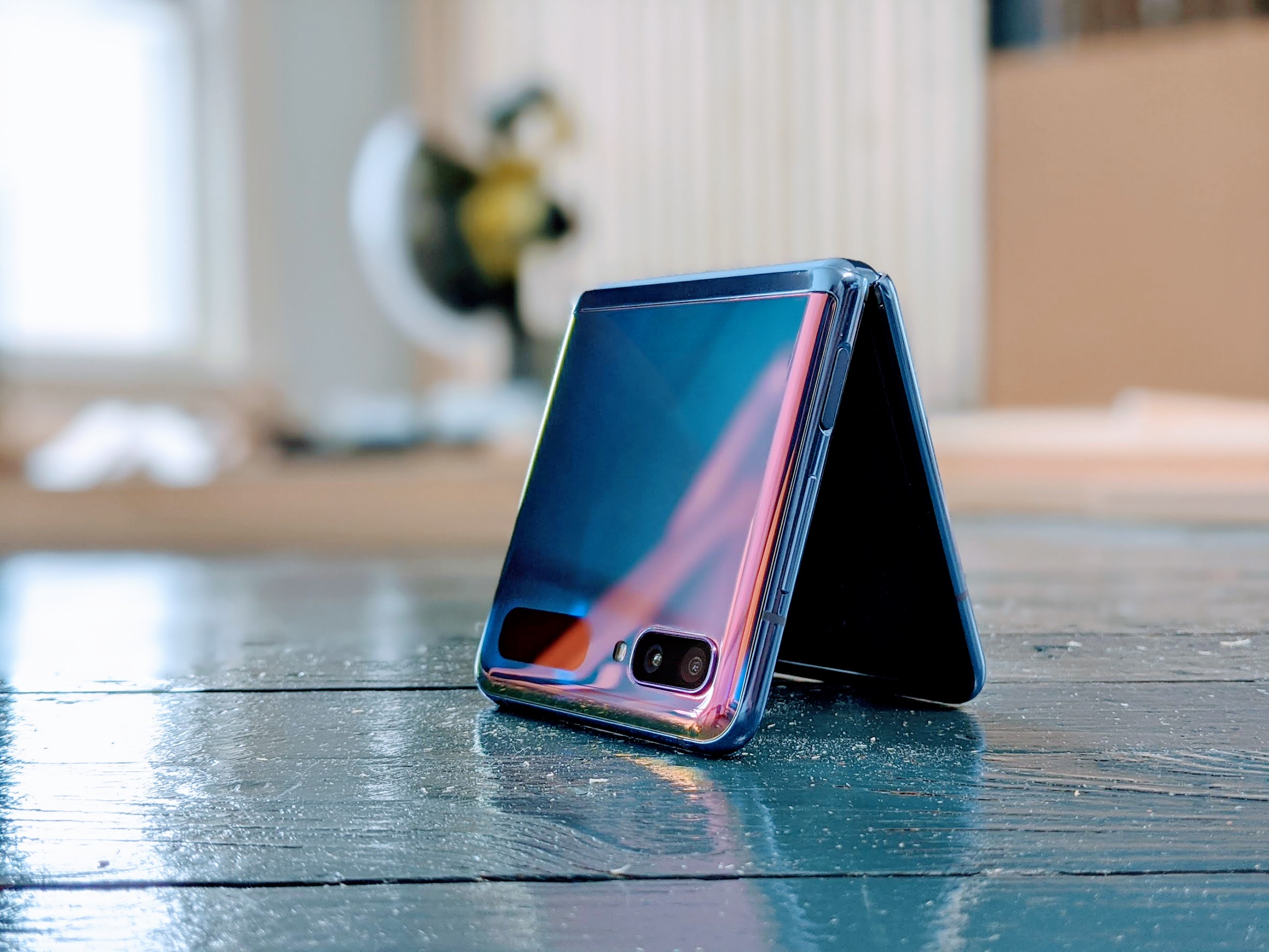
Remember that awkward bulge in your pocket when you slip in a foldable phone? Samsung apparently does too, and they’re determined to fix it. Early whispers about the Galaxy Z Flip 8 suggest the company’s next flip phone could be its slimmest yet, potentially measuring around 6mm when folded and 12mm when open. That’s roughly 10% thinner than the Z Flip 7, which means it should slide into tight jeans without feeling like you’re carrying a folded brick.
The Pocket-Friendly Revolution
What really catches my attention is that weight figure. At about 170g, the Galaxy Z Flip 8 would actually be lighter than most standard smartphones, despite packing two screens. Think about that for a second. You’re getting the compact convenience of a flip phone that weighs less than the slab-style device currently in your pocket.
Samsung’s engineers aren’t just chasing thinness for its own sake. They’re addressing two of the biggest complaints people have about foldable phones in general. First, they’re working on reducing that screen crease we’ve all come to tolerate. Second, they’re boosting durability. After years in this industry, I’ve seen how these incremental improvements add up. Each generation gets a little better at handling the daily open-and-close routine that defines the foldable experience.
Performance That Doesn’t Compromise
Under the hood, things get even more interesting. The Galaxy Z Flip 8 might pack the Exynos 2600 chipset built on 2nm process technology. That’s the same silicon expected in the Galaxy S26 series, which tells you Samsung isn’t treating this as some secondary device. Pair that with 12GB of RAM, and you’ve got smooth multitasking without the usual foldable compromises we’ve seen in earlier generations.
Storage options should start at 256GB and go up to 512GB for those who need the space. For photographers, social media creators, or anyone who downloads entire seasons of shows for flights, that extra headroom matters. It’s the difference between constantly managing storage and actually using your phone the way you want to.
Battery Life That Lasts
Here’s where Samsung makes a smart move. Battery life gets a meaningful bump to 4,300mAh or higher. In practical terms, that should handle a full day of social media scrolling, video calls, and navigation without hunting for a charger by dinner time. Considering the Z Flip 7’s battery already improved over previous models, this continues a positive trend.
I’ve spent enough time with foldables to know battery anxiety is real. You’re powering two displays, after all. But with advancements in battery chemistry and more efficient chipsets like the Exynos 2600, we’re reaching a point where foldables can genuinely compete with traditional phones on endurance. It’s not just about capacity numbers. It’s about how those milliamp hours translate to real world use.
The Competitive Landscape
Pricing’s expected to stay around $1,100, matching the Z Flip 7’s launch price. That keeps Samsung competitive against Motorola’s Razr lineup while maintaining the premium flip phone experience. It’s a delicate balance. Charge too much, and you push people toward conventional flagships. Charge too little, and you compromise on the materials and engineering that make foldables special in the first place.
Look for a summer 2026 launch, likely July if Samsung sticks to its usual schedule. That timing puts it squarely in competition with other major releases, but also gives the company time to refine the manufacturing process. From what I’ve seen in supply chains, getting foldable displays right takes precision that makes traditional phone production look simple by comparison.
Why This Matters
If these rumors pan out, the Galaxy Z Flip 8 could finally deliver the portable flip phone Samsung’s been chasing since the original Z Flip. We’re talking about a device that doesn’t ask you to sacrifice pocket space for cutting edge technology. One that feels natural in your hand whether it’s open or closed.
The foldable market is heating up, with Apple reportedly working on its own entries and Chinese manufacturers pushing aggressive pricing. What Samsung brings to the table is refinement. They’ve been at this longer than almost anyone in the mainstream market, and each iteration shows what they’ve learned.
Picture this. You’re heading out for the evening, and instead of that bulky rectangle in your pocket, you’ve got something that slips in almost unnoticed. You unfold it to check directions, respond to messages, or snap a quick photo. Then it folds back down, disappearing until you need it again. That’s the promise Samsung seems to be chasing with the Z Flip 8. Not just a folding phone, but one that genuinely fits into your life without demanding constant attention to its form factor.
As we’ve seen with devices like the Redmi Note 15, the bar for what constitutes a premium experience keeps rising. The Z Flip 8 needs to clear that bar while also delivering the unique benefits of a folding design. Based on these early rumors, Samsung might just pull it off. They’re not just making a thinner phone. They’re making one that could convince people who’ve been hesitant about foldables to finally take the plunge.