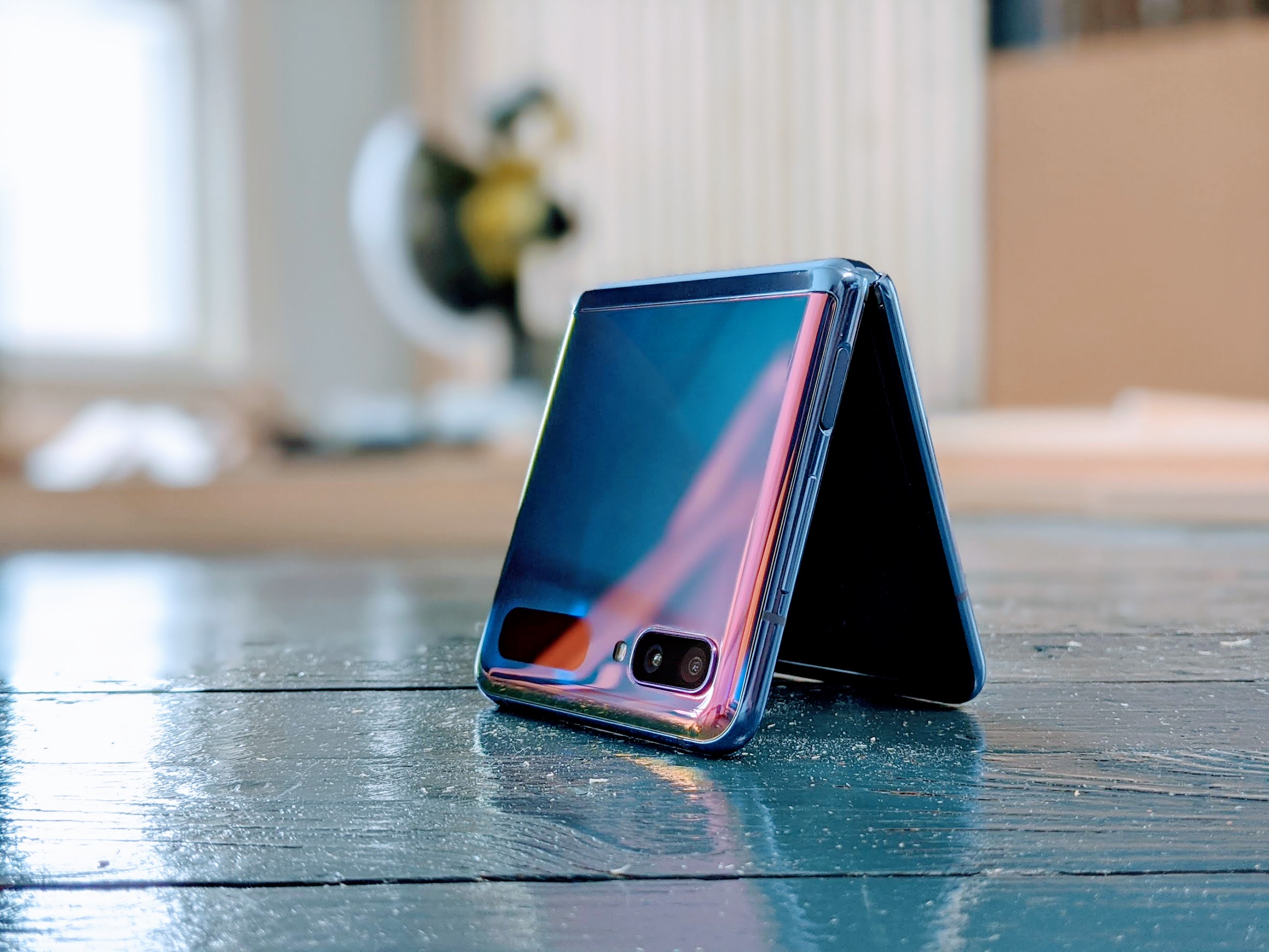
Remember when foldable phones felt like carrying a small brick in your pocket? Samsung certainly does, and if the latest whispers are true, they’re about to solve that problem once and for all. The Galaxy Z Flip 8 is shaping up to be the company’s slimmest flip phone yet, a device that could finally make the foldable form factor feel truly seamless in daily life.
| Metric | Value | Unit | Notes |
|---|---|---|---|
| Thickness (Folded) | 6 | mm | Rumored measurement when closed |
| Thickness (Unfolded) | 12 | mm | Rumored measurement when open |
| Weight | 170 | g | Lighter than most slab smartphones |
| Processor (SoC) | Exynos 2600 | — | 2nm process technology |
| RAM / Storage | 12 / 256-512 | GB | Base model starts at 256GB |
| Battery Capacity | 4,300 | mAh | Or higher, per early rumors |
| Launch Price | $1,100 | USD | Expected to match Z Flip 7 pricing |
| Expected Launch | Summer 2026 | — | Likely July, following Samsung’s pattern |
The Pocket Revolution
That 6mm folded thickness you see in the table above represents about a 10% reduction from the Z Flip 7. Think about slipping this into your jeans pocket without that awkward rectangular bulge. At 170 grams, it’s actually lighter than many conventional smartphones today, which is pretty wild when you consider it’s packing two screens instead of one.
Samsung isn’t just chasing thinness for the sake of it. They’re reportedly working on reducing the visible screen crease that’s been a hallmark of foldables since day one. Combine that with improved durability measures, and you’re looking at a device that addresses two of the biggest pain points foldable users have complained about for years.
Performance That Doesn’t Compromise
Under the hood, things get even more interesting. The Galaxy Z Flip 8 might debut Samsung’s next-generation Exynos 2600 chipset, built on an advanced 2nm manufacturing process. This is the same silicon expected to power the Galaxy S26 series, which tells you Samsung is serious about giving its flip phone flagship-level performance.
Pair that Exynos 2600 with 12GB of RAM, and you’ve got a multitasking machine that won’t stutter when you’re flipping between apps, watching videos on the cover screen, or running demanding games. Storage options should start at 256GB and go up to 512GB for those who need the space for photos, videos, and apps.
What’s fascinating here is how Samsung’s approach differs from competitors. While other manufacturers might treat their flip phones as secondary devices, Samsung appears to be positioning the Z Flip 8 as a true flagship that happens to fold. This aligns with their broader product strategy across multiple categories, where they aim to lead rather than follow.
Battery Life You Can Actually Count On
Here’s where the Z Flip 8 could really win people over. The rumored 4,300mAh battery (or possibly larger) represents a meaningful bump from previous models. In practical terms, this should translate to a full day of use without constantly hunting for a charger.
Picture this: you start your morning with social media scrolling during breakfast, make video calls throughout the workday, snap some photos in the evening, and still have enough juice left to watch a show before bed. That’s the kind of battery life that makes a foldable feel like a practical daily driver rather than a novelty.
The Z Flip 7 already showed improvement in this department, but Samsung seems determined to push further. It’s a smart move, because battery anxiety is one of those subtle things that can make or break the user experience, especially on a device you’re meant to use all day.
Pricing and the Competitive Landscape
At around $1,100, the Z Flip 8 would maintain the same launch price as its predecessor. This keeps Samsung competitive against Motorola’s Razr lineup while preserving that premium flip phone experience people expect.
The timing is interesting too. A summer 2026 launch, likely in July if Samsung sticks to its usual schedule, puts the Z Flip 8 in direct competition with whatever Apple has planned for the foldable space. It’s shaping up to be a fascinating battle between two very different approaches to the same form factor.
Looking at the broader smartphone market, Samsung’s continued investment in foldables comes at a time when the industry is searching for the next big thing. While companies like Xiaomi focus on delivering premium features at lower price points, Samsung appears committed to pushing the boundaries of what’s possible with display technology and form factors.
The Foldable Future
If these rumors pan out, the Galaxy Z Flip 8 could represent a turning point for flip phones. We’re not just talking about incremental improvements here. We’re looking at a device that addresses the core complaints people have had about foldables since they first appeared: thickness, weight, screen creases, and durability.
The combination of slimmer design, lighter weight, improved durability, and flagship-level performance could finally deliver the portable flip phone experience Samsung has been chasing since the original Z Flip. It’s the kind of refinement that turns early adopters into mainstream users.
What’s most exciting is how this fits into the larger narrative of smartphone evolution. We’ve spent years making phones thinner, then thicker again to accommodate bigger batteries and better cameras. Foldables represent a different path entirely, one where the form factor itself becomes the innovation. The Z Flip 8, with its rumored specifications, suggests Samsung is getting closer to perfecting that vision.
As we look toward summer 2026, it’s clear the foldable race is heating up. Samsung appears ready to defend its position with a device that doesn’t just iterate on previous models but redefines what a flip phone can be. For anyone who’s been waiting for foldables to mature before taking the plunge, the Z Flip 8 might just be the device worth waiting for.