| Metric | Value | Unit | Notes |
|---|---|---|---|
| Folded Thickness | 6 | mm | Rumored measurement when closed |
| Unfolded Thickness | 12 | mm | Rumored measurement when open |
| Weight | 170 | g | Approximately 10% lighter than Z Flip 7 |
| Processor (SoC) | Exynos 2600 | — | 2nm process technology |
| RAM / Storage | 12 / 256-512 | GB | LPDDR5X RAM / UFS 4.0 Storage expected |
| Battery Capacity | 4,300 | mAh | Or higher, dual-cell architecture |
| Launch Price | $1,100 | USD | Expected to match Z Flip 7 pricing |
| Expected Launch | Summer 2026 | — | Likely July based on Samsung’s schedule |
Remember that moment when you slipped a modern foldable into your pocket and felt like you were carrying a small brick? Samsung apparently does, and they’re determined to fix it. Early whispers about the Galaxy Z Flip 8 suggest the company is going all-in on creating what could be their thinnest, most pocket-friendly flip phone yet.
Picture this: you’re heading out for the evening, wearing those perfectly fitted jeans that never seem to have enough pocket space. Instead of that awkward bulge that screams “I’m carrying a folded tablet,” the Z Flip 8 might just disappear into your pocket like any regular smartphone. That’s the promise these rumors are hinting at, and it’s a significant shift in how foldables could integrate into our daily lives.
The Slim Factor: Engineering a Pocket Revolution
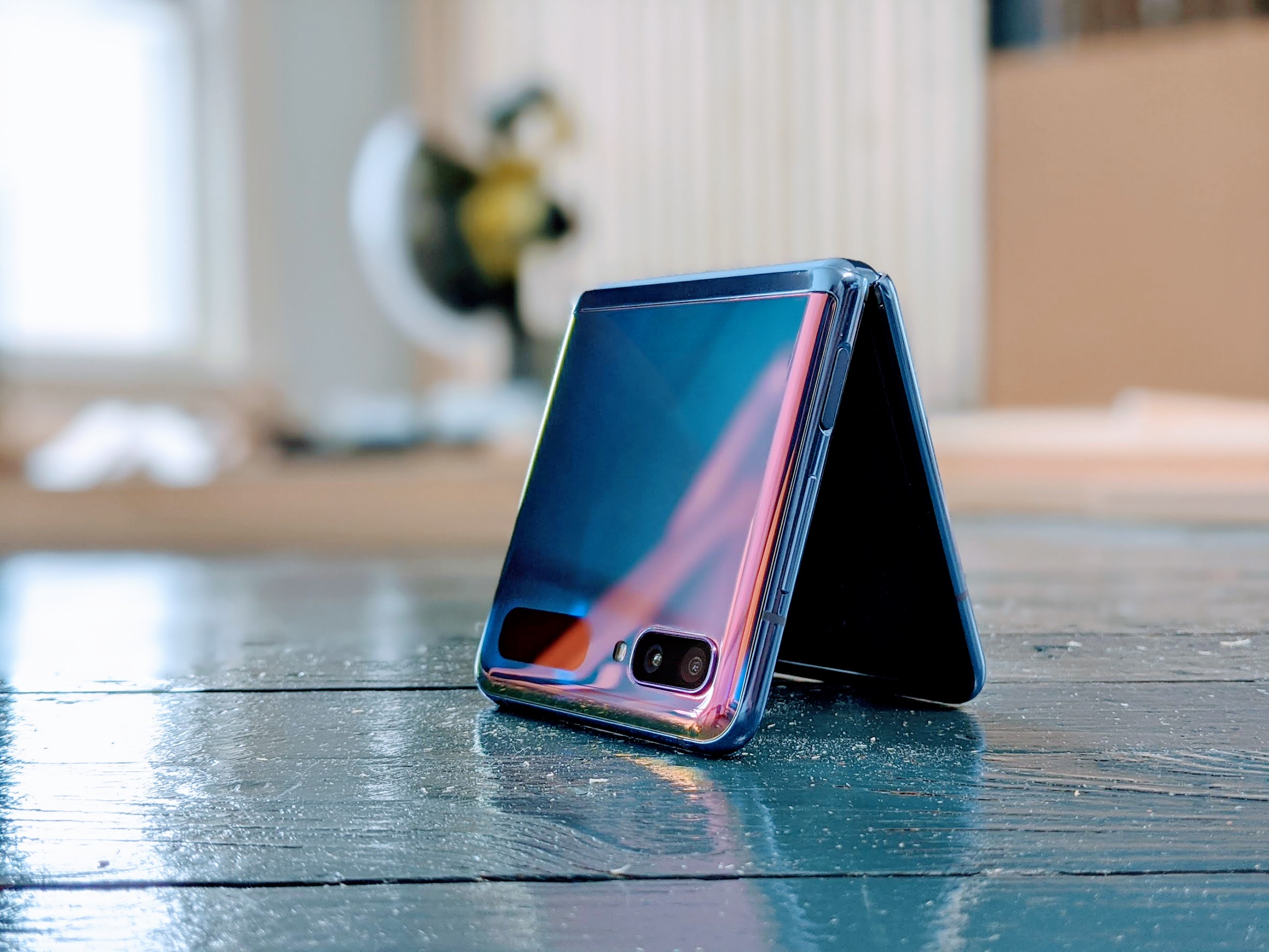
Let’s talk numbers first. The rumored measurements point to around 6mm when folded and 12mm when unfolded. If that sounds thin, it’s because it is, roughly 10% slimmer than the already compact Z Flip 7. But thickness is only part of the story. Weight matters just as much for that premium feel in hand, and at approximately 170 grams, the Z Flip 8 would actually weigh less than many standard slab smartphones today.
What’s fascinating here isn’t just the dimensions themselves, but what they represent about Samsung’s engineering priorities. After several generations of foldables that prioritized durability and feature sets above all else, the company seems confident enough in their hinge mechanisms and display protection to chase true pocketability. It’s a maturation of the technology that suggests foldables are moving from novelty to genuinely practical daily drivers.
Display Refinements: Tackling the Crease Question
Every foldable owner knows the screen crease conversation. It’s that visible line down the middle that reminds you you’re using something different. According to industry chatter, Samsung isn’t just making the Z Flip 8 thinner, they’re also working on reducing that crease visibility and boosting overall durability. These have been two of the most consistent complaints about foldables since the category began, and addressing them directly shows Samsung is listening to real user feedback.
The display technology itself will likely continue Samsung’s tradition of excellent OLED panels with high refresh rates. What changes might be the protective layers and the hinge mechanism that allows for a flatter, less noticeable fold. Think about running your thumb across the screen and feeling less of that dip in the middle, or opening the phone to find the crease disappears more completely at certain angles. These are the small refinements that transform a technological achievement into a pleasure to use every day.
Performance That Doesn’t Compromise
Under the hood, things get even more interesting. The Galaxy Z Flip 8 might pack Samsung’s own Exynos 2600 chipset, built on an advanced 2nm process technology. This is the same silicon expected to power the Galaxy S26 series, which tells you something about the performance targets Samsung has in mind. Pair that with 12GB of RAM, and you’re looking at multitasking capabilities that won’t make you miss your traditional smartphone.
Storage options should start at 256GB and go up to 512GB, using what’s likely to be UFS 4.0 technology for those fast app launches and file transfers. For context, that’s the same storage tier many flagship phones offer today, which means foldables are finally catching up to mainstream expectations rather than asking users to make compromises.
Battery Life That Actually Lasts
Here’s where the consumer angle becomes particularly important. Rumors suggest the Z Flip 8’s battery could hit 4,300mAh or possibly higher. That’s a meaningful bump from previous models and addresses one of the most practical concerns about daily foldable use: will it last through my day?
Imagine starting your morning with a full charge, scrolling through social media during your commute, taking video calls throughout the workday, snapping photos in the evening, and still having enough juice left to stream a show before bed without hunting for a charger. That’s the kind of battery life that makes a device truly useful rather than just technologically impressive. The Z Flip 7 already showed improvements in this area, and the Z Flip 8 appears ready to continue that trend.
Market Positioning and Launch Timeline
Pricing is expected to stay around the $1,100 mark, matching the Z Flip 7’s launch price. This is a smart move that keeps Samsung competitive against Motorola’s Razr lineup while maintaining that premium flip phone experience. At this price point, the Z Flip 8 isn’t trying to be a budget option, it’s aiming to be the refined, mature version of what a flip phone should be in 2026.
Look for a summer 2026 launch, likely in July if Samsung sticks to its usual schedule. This gives the company time to refine the manufacturing process and ensure they can meet demand for what could be their most compelling flip phone yet. The timing also positions the Z Flip 8 perfectly against whatever Apple’s foldable efforts might look like by then, creating an interesting showdown in the premium foldable space.
The Bigger Picture: Why This Matters
What makes these Galaxy Z Flip 8 rumors particularly exciting isn’t just the specs on paper. It’s the sense that Samsung is moving from proving foldables can work to making them work beautifully. The reduced thickness and weight address practical pocketability concerns. The improved battery life tackles daily usability. The refined display technology focuses on the visual experience. And the competitive pricing acknowledges that people want this technology without feeling like they’re paying a novelty tax.
If these rumors pan out, the Galaxy Z Flip 8 could represent that sweet spot where technology meets genuine daily utility. It’s not about being the first or the most powerful, but about being the most thoughtfully designed, the most pleasant to use, and the most seamlessly integrated into our lives. After several generations of iteration, that’s exactly what the foldable market needs to reach its full potential.
For now, we wait and watch as more details emerge. But if Samsung delivers on even half of what these rumors suggest, the Z Flip 8 might finally be the flip phone that doesn’t just fold, but truly fits.