Remember that awkward bulge in your pocket from early foldables? The one that made you feel like you were carrying a folded brick instead of a phone? Samsung apparently does, and they’re determined to fix it. Early whispers about the Galaxy Z Flip 8 suggest the company is going all in on making their next flip phone not just thinner, but genuinely pocket friendly in a way we haven’t seen before.
| Metric | Value | Unit | Notes |
|---|---|---|---|
| Folded Thickness | 6 | mm | Rumored measurement when closed |
| Unfolded Thickness | 12 | mm | Rumored measurement when open |
| Weight | 170 | g | Lighter than most slab smartphones |
| Processor (SoC) | Exynos 2600 | — | 2nm process technology |
| RAM / Storage | 12 / 256-512 | GB | Expected configurations |
| Battery Capacity | 4,300 | mAh | Or higher, rumored improvement |
| Launch Price | 1,100 | USD | Expected to match Z Flip 7 pricing |
| Expected Launch | Summer 2026 | — | Likely July based on Samsung’s schedule |
The Pocket Revolution
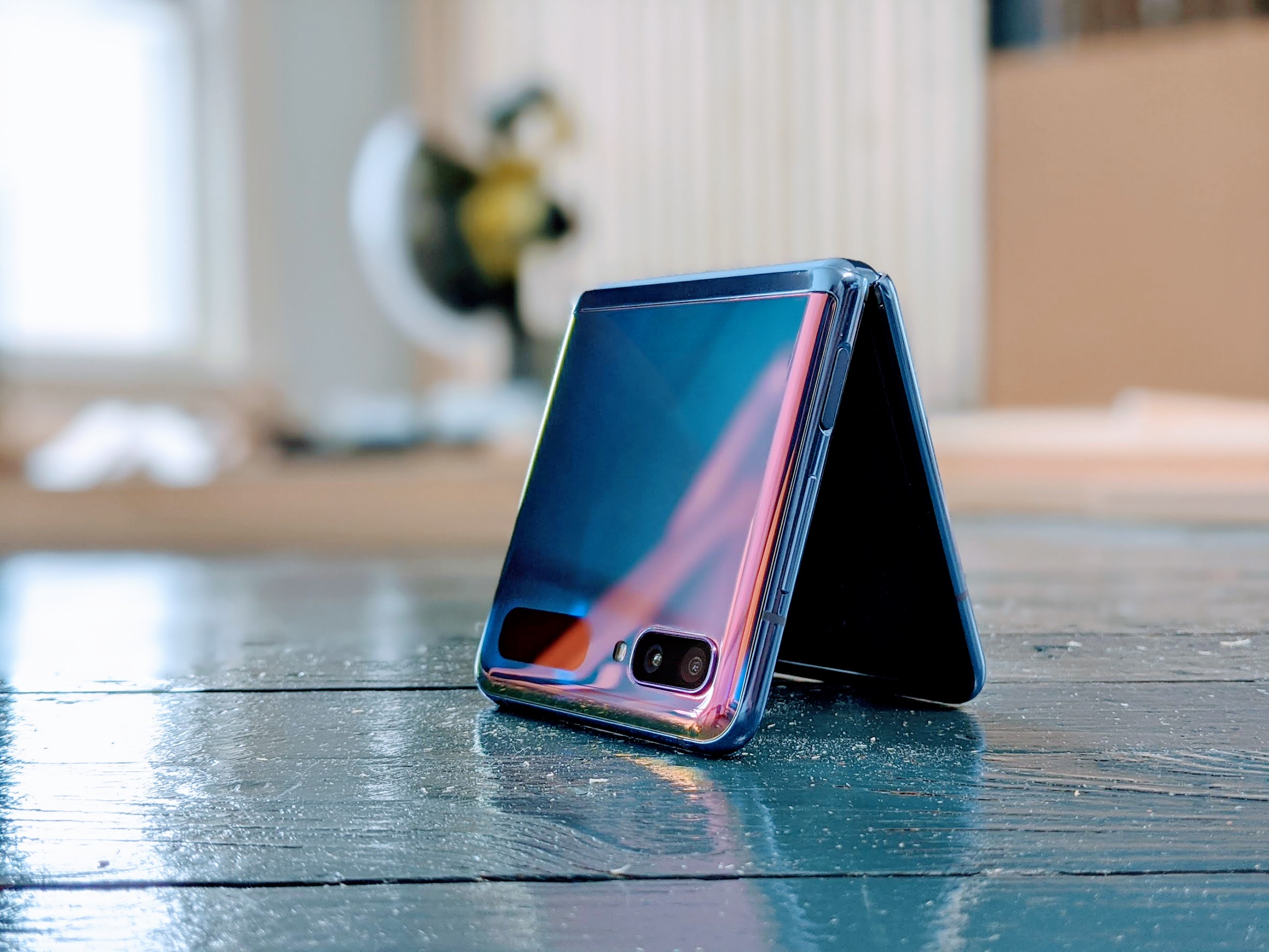
Let’s talk about that 6mm folded thickness for a moment. That’s roughly 10% slimmer than the Z Flip 7, and it changes everything about how this device lives in your life. Picture slipping it into tight jeans without that telltale rectangular outline. Imagine it disappearing into a small clutch or the front pocket of dress pants. This isn’t just incremental improvement, it’s a fundamental shift in how foldables integrate with our daily carry.
The weight drop to around 170 grams is equally significant. For context, that’s lighter than most standard smartphones today, despite the Z Flip 8 packing two screens, a hinge mechanism, and all the extra engineering that comes with foldable technology. Samsung’s materials team has clearly been busy, likely working with advanced aluminum alloys or even exploring carbon fiber composites to shave off every possible gram.
Beyond the Numbers: The Daily Experience
What really matters isn’t just how thin or light the Z Flip 8 is, but how those improvements translate to your daily experience. That reduced screen crease Samsung is reportedly working on? It means fewer distractions when you’re watching videos or scrolling through photos. The boosted durability? That’s peace of mind when you’re using your phone outdoors or handing it to curious friends who want to try “that folding phone thing.”
These are the details that separate a compelling tech demo from a device you actually want to live with. As we’ve seen with other refined foldable designs, the magic happens when the engineering disappears into the background, leaving you with just a great phone that happens to fold.
Performance That Doesn’t Compromise
Under the hood, the Exynos 2600 represents Samsung’s most ambitious mobile chipset in years. Built on a cutting-edge 2nm process, this is the same silicon expected to power the Galaxy S26 series. What does that mean for you? Efficiency gains that translate directly to battery life, and performance headroom that ensures smooth multitasking without the thermal throttling that sometimes plagues compact devices.
Pair that chip with 12GB of RAM, and you’ve got a setup that can handle serious productivity work alongside your usual social media and entertainment. The storage options starting at 256GB and going up to 512GB reflect how our usage has evolved, with 4K video, high-resolution photos, and expansive game libraries becoming the norm rather than the exception.
For those tracking Samsung’s chip strategy, this move to the Exynos 2600 platform represents a significant bet on in-house silicon development. The 2nm process should deliver meaningful improvements in both performance per watt and thermal management, two areas where foldables have traditionally faced challenges due to their compact form factors.
Battery Life That Keeps Up With You
The rumored bump to 4,300mAh or higher is particularly welcome news. While the Z Flip 7 already showed improvement over previous models, foldables have historically lagged behind traditional smartphones in battery endurance. This capacity increase, combined with the efficiency gains from the 2nm Exynos 2600, could finally deliver the all-day battery life that flip phone users have been waiting for.
Think about your typical day: morning commute with podcasts or music, back-to-back video calls through lunch, social media scrolling during breaks, navigation on the way home, and maybe some gaming or video streaming in the evening. That’s the kind of usage pattern the Z Flip 8 needs to handle without sending you hunting for a charger by dinner time. Based on the specs we’re seeing, it just might pull it off.
This focus on endurance aligns with what we’re seeing across the industry, where devices like the OnePlus 15R are redefining battery expectations even in mid-range segments. Consumers are clearly prioritizing all-day usage over razor-thin margins, and Samsung appears to be listening.
The Competitive Landscape and Your Wallet
At an expected $1,100 launch price, Samsung is playing it smart. Matching the Z Flip 7’s price point keeps them competitive against Motorola’s Razr lineup while maintaining that premium flip phone positioning. It’s a delicate balance, offering enough improvement to justify an upgrade for existing foldable users while remaining accessible enough to attract first-time foldable buyers.
The summer 2026 launch timeline, likely in July if Samsung sticks to its usual schedule, gives the company time to refine the manufacturing process and build up inventory. It also positions the Z Flip 8 perfectly for back-to-school and holiday shopping seasons in key markets.
Looking at the broader market context, Samsung’s continued investment in foldables comes as competitors are also pushing forward. We’re seeing interesting developments like Apple’s rumored foldable iPhone designs that could reshape consumer expectations about what pocketable computing should feel like. Meanwhile, in the more affordable segments, phones like the Redmi Note 15 are proving that budget doesn’t have to mean compromise.
The Big Picture
If these rumors hold true, the Galaxy Z Flip 8 represents more than just another iterative update. It’s Samsung’s clearest statement yet about the future of foldables: devices that don’t ask you to compromise on thickness, weight, or battery life in exchange for that folding form factor.
The reduced crease, improved durability, powerful yet efficient chipset, and meaningful battery bump all point toward a device designed for real-world use rather than tech show demonstrations. That 6mm folded thickness isn’t just a number, it’s a promise that foldables can finally disappear into your life the way traditional smartphones have for years.
As we look toward that summer 2026 launch window, the question isn’t whether Samsung can make a thinner, lighter flip phone. Based on these rumors, they clearly can. The real question is whether this refinement-focused approach will finally deliver the portable flip phone experience that Samsung has been chasing since the original Z Flip. If the execution matches the ambition, we might be looking at the device that makes foldables feel not just novel, but genuinely normal.