| Metric | Value | Unit | Notes |
|---|---|---|---|
| Folded Thickness | 6 | mm | Rumored measurement, 10% thinner than Z Flip 7 |
| Unfolded Thickness | 12 | mm | When fully opened for tablet-style use |
| Weight | 170 | g | Lighter than most standard smartphones |
| Processor (SoC) | Exynos 2600 | — | 2nm process technology, same as Galaxy S26 series |
| RAM / Storage | 12 / 256-512 | GB | Smooth multitasking, ample storage options |
| Battery Capacity | 4,300 | mAh | Or higher, meaningful bump from previous models |
| Launch Price | $1,100 | USD | Expected to match Z Flip 7 launch pricing |
| Expected Launch | Summer 2026 | — | Likely July if Samsung sticks to schedule |
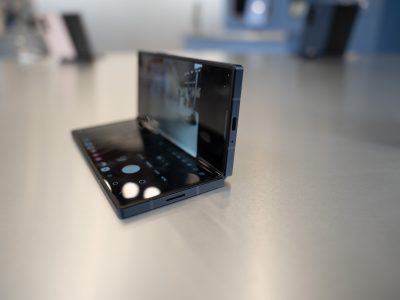
Remember that feeling when you slip a modern foldable into your pocket and it feels like you’re carrying a folded brick? Samsung apparently does, and they’re determined to fix it. Early whispers about the Galaxy Z Flip 8 suggest the company’s next clamshell could be its slimmest yet, potentially measuring around 6mm when folded and 12mm unfolded. That’s roughly 10% thinner than the Z Flip 7, which should make it disappear into tight jeans without that awkward bulge we’ve all learned to tolerate.
The Pocket Revolution
Weight’s dropping too, with the Galaxy Z Flip 8 rumored to hit about 170g. Think about that for a second. That’s lighter than most standard slab smartphones, despite packing two screens, a hinge mechanism, and all the engineering that makes foldables possible. Samsung’s also reportedly working on reducing the screen crease and boosting durability, directly addressing two of the biggest complaints people have about foldable phones in general.
Imagine pulling this thing out at a coffee shop. The satisfying snap as it unfolds, the near-seamless display greeting you, all in a package that doesn’t feel like a compromise. That’s the promise here. While Apple’s rumored foldable iPhone faces its own production challenges, Samsung continues refining what a pocketable foldable should feel like in your hand every single day.
Performance That Doesn’t Fold Under Pressure
Under the hood, things get even more interesting. The Galaxy Z Flip 8 might pack the Exynos 2600 chipset built on 2nm process technology. That’s the same silicon expected in the Galaxy S26 series, which tells you everything about where Samsung sees the Z Flip line fitting in their hierarchy. This isn’t some watered-down foldable processor. It’s flagship-grade.
Pair that with 12GB of RAM, and you’ve got smooth multitasking without the usual foldable compromises. Storage options should start at 256GB and go up to 512GB for those who need the space for photos, videos, and apps. The 2nm process is key here. Smaller transistors mean better power efficiency and performance, which matters doubly for a device with two displays to power.
Battery Life That Lasts Your Day, Not Just Your Morning
Battery life gets a meaningful bump to 4,300mAh or higher, which should handle a full day of social media scrolling, video calls, and navigation without hunting for a charger by dinner time. That’s a smart move considering the Z Flip 7’s battery already improved over previous models. You can think of battery chemistry like a fuel tank. More capacity means more miles between charges, plain and simple.
This is where the real-world experience shines. You’re not just getting numbers on a spec sheet. You’re getting the confidence to leave home at 8 AM and return at 10 PM with enough juice to order a ride home and scroll through your notifications. It’s the kind of practical improvement that changes how you use your phone. Speaking of battery stamina, we’ve seen how other manufacturers are pushing battery expectations in their own segments, and Samsung clearly isn’t sitting this race out.
Pricing and The Bigger Picture
Pricing’s expected to stay around $1,100, matching the Z Flip 7’s launch price. That keeps Samsung competitive against Motorola’s Razr lineup while maintaining the premium flip phone experience. Look for a summer 2026 launch, likely July if Samsung sticks to its usual schedule.
What’s fascinating here is how Samsung’s display technology investments might trickle down. While the company makes big bets on advanced display technology for larger screens, those R&D efforts often benefit their smartphone divisions too. Better color accuracy, improved brightness, more efficient panels. It’s all connected.
If these rumors pan out, the Galaxy Z Flip 8 could finally deliver the portable flip phone Samsung’s been chasing since the original Z Flip. It’s not just about being thin. It’s about being thin without sacrificing performance, battery life, or that premium feel in your hand. The foldable market is maturing, and devices like this represent what happens when engineering catches up with ambition. You get a phone that folds, but doesn’t feel like it’s making compromises to do so.