Remember when foldable phones felt like carrying a small brick in your pocket? Samsung apparently does, and they are determined to change that perception with their next generation flip phone. Early whispers about the Galaxy Z Flip 8 suggest we are looking at the most significant refinement yet in Samsung’s foldable lineup, one that could finally make the compact flip form factor feel truly seamless in daily use.
| Metric | Value | Unit | Notes |
|---|---|---|---|
| Thickness (Folded) | 6 | mm | Rumored measurement when closed |
| Thickness (Unfolded) | 12 | mm | Rumored measurement when open |
| Weight | 170 | g | Lighter than most standard smartphones |
| Processor (SoC) | Exynos 2600 | — | 2nm process technology |
| RAM / Storage | 12 / 256-512 | GB | Expected configurations |
| Battery Capacity | 4,300 | mAh | Meaningful bump over previous models |
| Launch Price | 1,100 | USD | Expected to match Z Flip 7 pricing |
| Expected Launch | Summer 2026 | — | Likely July based on Samsung’s schedule |
The Slimmest Foldable Yet
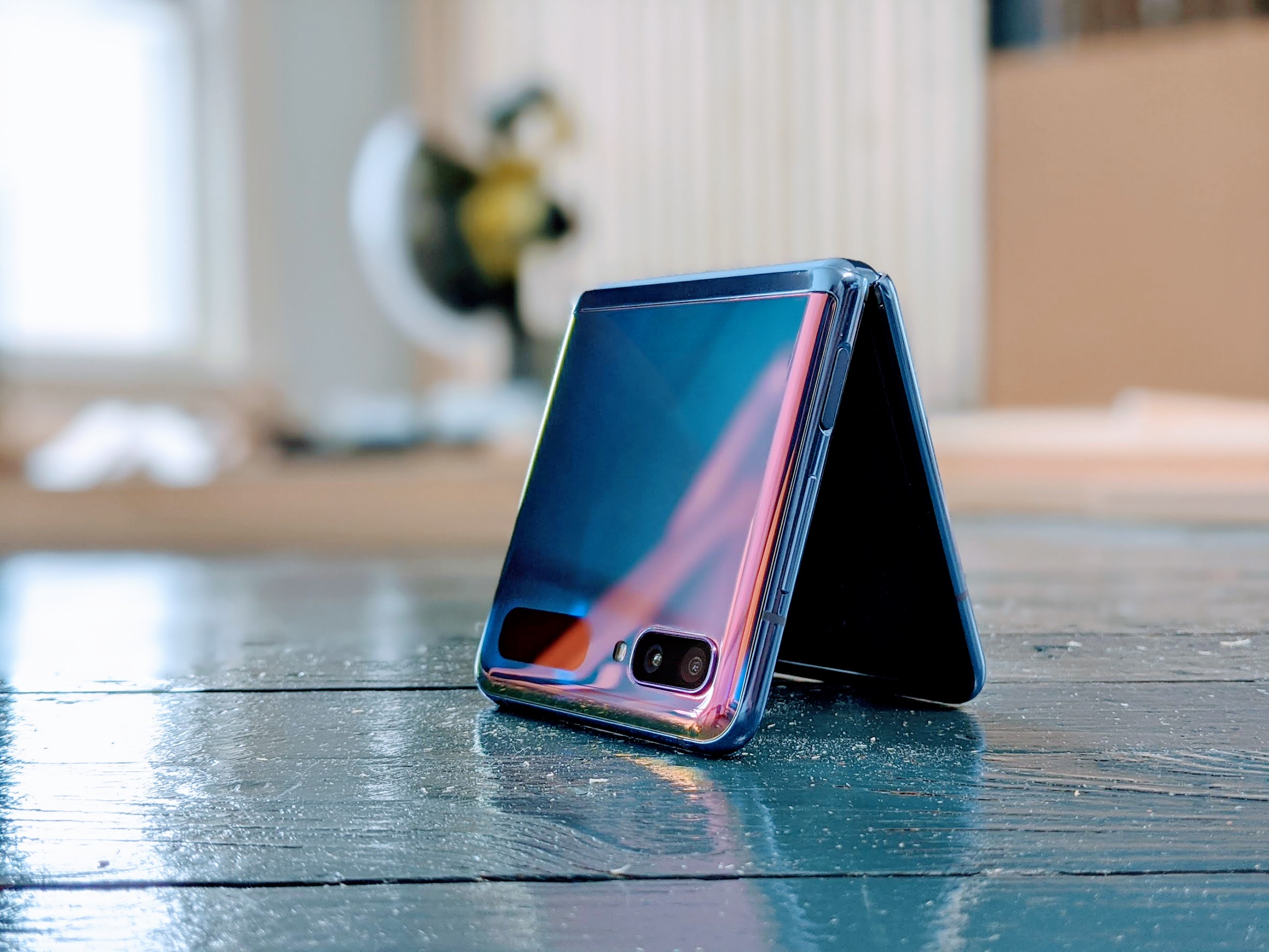
Picture this: you are slipping your phone into the front pocket of your favorite jeans, and there is no awkward bulge fighting against the fabric. That is the experience Samsung seems to be chasing with the Z Flip 8. Rumors point to a device measuring around 6mm when folded and 12mm when unfolded, making it roughly 10 percent thinner than its predecessor. At about 170 grams, it is not just slim but surprisingly light, weighing less than many conventional slab smartphones despite housing two screens and a sophisticated hinge mechanism.
Samsung is not just chasing numbers here. They are reportedly working on reducing the visible screen crease that has been a hallmark of foldable displays since their inception. This is not just about aesthetics, it is about durability and the tactile satisfaction of using a device that feels solid and refined. The company appears to be directly addressing the two most common complaints about foldables: bulk and durability concerns. If these Galaxy Z Flip 8 rumors hold true, we could be looking at the first foldable that genuinely disappears into your pocket and daily routine.
Performance That Does not Compromise
Under the hood, things get even more interesting. The Z Flip 8 might pack Samsung’s next generation Exynos 2600 chipset, built on an advanced 2nm manufacturing process. Let us break that down simply: the “nm” or nanometer measurement refers to the size of the transistors on the chip. Smaller transistors mean more can be packed into the same space, leading to better performance and energy efficiency. A 2nm process represents a significant leap forward, potentially offering desktop class power in a pocket sized form factor.
Pair that chip with 12GB of RAM, and you have a device capable of serious multitasking without the thermal throttling or performance dips that sometimes plagued early foldables. Storage options should start at 256GB and go up to 512GB, giving content creators and media hoarders plenty of room to work. What is exciting here is that Samsung seems committed to ensuring their flip phone does not feel like a compromised experience. You are getting flagship level specs in a uniquely portable package.
Battery Life That Keeps Up
One of the smartest moves rumored for the Z Flip 8 is the battery bump to 4,300mAh or possibly higher. For context, that is a meaningful increase over previous models and should translate to real world endurance. Imagine starting your day with a full charge, scrolling through social media during your commute, taking video calls through the afternoon, and still having enough juice left to stream a show before bed without hunting for a charger.
Battery chemistry and management have come a long way in recent years. Samsung likely is not just throwing a bigger cell into the device, they are probably optimizing power delivery, standby drain, and charging efficiency. The goal is clear: a foldable that does not force you to constantly think about battery percentage. That is a crucial step toward mainstream adoption, where convenience cannot be sacrificed for novelty.
Pricing and Availability
Perhaps the most reassuring rumor is about pricing. The Z Flip 8 is expected to launch around the $1,100 mark, matching what the Z Flip 7 debuted at. This is a smart strategic move. It keeps Samsung competitive against Motorola’s Razr lineup while maintaining the premium positioning of the Galaxy Z series. In an industry where prices seem to only go up, holding the line at this price point shows confidence in both the product and the market.
Look for a summer 2026 launch, likely in July if Samsung sticks to their established annual schedule for foldable releases. This timing gives the company a full product cycle to refine the design and manufacturing processes, potentially avoiding some of the supply chain hiccups that can plague new form factors. Speaking of competition, it is worth noting that while Samsung refines its foldable approach, Apple is reportedly facing its own challenges with a foldable iPhone that may remain elusive through 2027 due to supply constraints.
The Consumer Perspective
So what does all this technical speculation mean for you, the potential user? It means a device that could finally deliver on the original promise of foldables: a large screen experience that folds down into something truly pocketable. The reduced thickness and weight are not just spec sheet numbers, they translate to a phone that feels comfortable in your hand and unobtrusive in your pocket.
The improved battery means you can actually use this as your primary device without constant anxiety about finding an outlet. The flagship level performance ensures that apps launch quickly, games run smoothly, and multitasking feels effortless. This is about removing the compromises that early adopters had to accept. Samsung appears to be targeting the Z Flip 8 at people who want innovative form factors without sacrificing the core smartphone experience they have come to expect.
Industry Context and What It Means
From an industry perspective, the Z Flip 8 rumors reveal Samsung’s continued commitment to the flip form factor as a viable mainstream product. While book style foldables get most of the attention for their tablet like displays, the clamshell design addresses a more fundamental desire: portability. Samsung seems to understand that for many users, the ability to shrink a phone down is more valuable than the ability to expand it out.
The choice of the Exynos 2600 chipset is particularly telling. It suggests Samsung is confident enough in its own semiconductor division to power what could be one of their most important flagship products. This move could have ripple effects across the industry, potentially reducing reliance on third party chip designers like Qualcomm. It is also a vote of confidence in the 2nm manufacturing process, which represents the next frontier in semiconductor technology.
As these latest Galaxy Z Flip 8 leaks suggest, we are entering an exciting phase for foldable technology. The initial novelty has worn off, and now manufacturers are focusing on refinement, reliability, and real world usability. If Samsung delivers on these rumors, the Z Flip 8 could represent the moment when foldable phones stop being interesting gadgets and start being obvious choices for everyday smartphone users.
The journey from bulky prototypes to sleek, practical devices has been faster than many predicted. With each generation, the compromises get smaller and the advantages become clearer. The Galaxy Z Flip 8, if it lives up to these early whispers, might just be the foldable that convinces the skeptics and rewards the believers. It is not just about making a thinner phone, it is about making a better one that happens to fold.