| Metric | Value | Unit | Notes |
|---|---|---|---|
| Folded Thickness | 6 | mm | Rumored measurement when closed |
| Unfolded Thickness | 12 | mm | Approximate thickness when open |
| Weight | 170 | g | Lighter than most slab smartphones |
| Processor (SoC) | Exynos 2600 | — | 2nm process technology |
| RAM / Storage | 12 / 256-512 | GB | Expected memory and storage options |
| Battery Capacity | 4,300 | mAh | Meaningful bump over previous models |
| Expected Price | $1,100 | USD | Matching Z Flip 7 launch pricing |
| Launch Timeline | Summer 2026 | — | Likely July based on Samsung’s schedule |
Remember that moment when you slipped a modern foldable into your pocket and felt like you were carrying a small brick? Samsung apparently does too, and the company seems determined to fix that exact problem with its next generation flip phone. Early whispers about the Galaxy Z Flip 8 suggest we might finally get the slim, pocket friendly foldable that doesn’t compromise on the premium experience.
Picture this: you’re heading out for the evening, sliding your phone into those fitted jeans that never seem to have enough pocket space. Instead of that awkward bulge that screams “foldable phone owner,” the Z Flip 8 slips in almost unnoticed. That’s the promise of a device rumored to measure just 6mm when folded, making it roughly 10 percent thinner than its predecessor. At around 170 grams, it’s actually lighter than many standard smartphones despite packing two screens into its compact form.
The Build and Feel Factor
What really gets me excited about these rumors isn’t just the numbers on paper. It’s how those numbers translate to daily use. Samsung’s reportedly working on reducing the screen crease visibility and boosting overall durability, addressing two of the most common complaints I hear from foldable users. The haptics on recent Samsung flagships have been genuinely impressive, with precise, satisfying vibrations that make typing and navigation feel premium. If they bring that same attention to detail to the Z Flip 8’s hinge mechanism and overall build quality, we could be looking at a foldable that feels as good as it looks.
The weight distribution matters too. At 170 grams, the Z Flip 8 should feel balanced in hand whether you’re using it folded for quick selfies or unfolded for watching videos. That’s lighter than most slab phones, which is quite an achievement when you consider the engineering required for a folding display and hinge system. It’s this kind of thoughtful design that separates good foldables from great ones.
Performance That Doesn’t Fold Under Pressure
Under the hood, things get even more interesting. The Galaxy Z Flip 8 might pack Samsung’s upcoming Exynos 2600 chipset, built on cutting edge 2nm process technology. This is the same processor expected to power the Galaxy S26 series, which tells you something about the performance targets Samsung has in mind. Pair that with 12GB of RAM, and you’ve got a setup that should handle multitasking without the compromises we sometimes see in foldables.
Let’s break down what 2nm process technology actually means for you. Think of it like building a city: the smaller you can make the buildings (transistors), the more you can fit in the same space, and the more efficiently everything runs. This translates to better performance with less battery drain and heat generation. For a foldable phone that needs to balance power with thermal management in a compact body, that efficiency gain could be a game changer.
Storage options should start at 256GB and go up to 512GB for those who need the space. That’s plenty for most users, especially with cloud storage being so prevalent these days. What matters more is the type of storage, and Samsung typically uses fast UFS storage that makes app launches and file transfers feel snappy.
Battery Life That Lasts Your Day
Here’s where the consumer angle really comes into play. Battery life gets a meaningful bump to 4,300mAh or higher according to rumors. In practical terms, that should handle a full day of social media scrolling, video calls, and typical smartphone use without hunting for a charger by dinner time. It’s a smart move considering the Z Flip 7’s battery already showed improvement over previous models.
Think about your typical day: morning commute with podcasts, lunch break scrolling, afternoon video calls, evening navigation to dinner. The 4,300mAh capacity shown in the table above should cover that comfortably. Battery chemistry has come a long way, with modern lithium ion cells offering better energy density and longevity than ever before. Samsung’s software optimization will play a big role too, intelligently managing power consumption based on your usage patterns.
Software and Long Term Value
Pricing is expected to stay around $1,100, matching the Z Flip 7’s launch price. That keeps Samsung competitive against Motorola’s Razr lineup while maintaining the premium flip phone experience. At this price point, you’re not just buying hardware, you’re investing in an ecosystem and long term software support.
Samsung’s software commitment has been impressive lately, with four years of major OS updates and five years of security patches becoming standard for their flagships. For a device you might keep for several years, that software support is arguably as important as the hardware specs. It’s the difference between a phone that feels outdated in two years and one that stays fresh and secure throughout its lifespan.
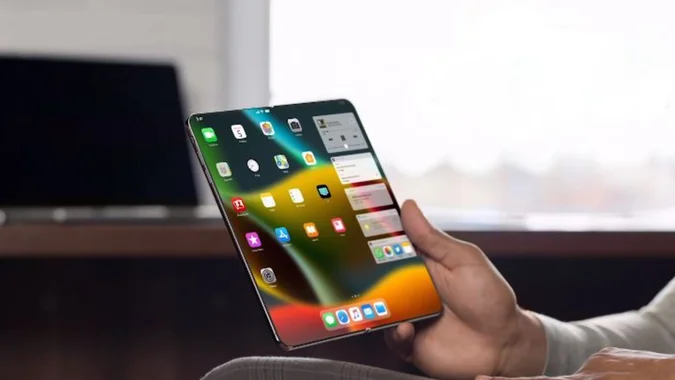
The competition in the foldable space is heating up, with Apple reportedly working on its own foldable iPhone that could challenge Samsung’s dominance. This competitive pressure is great for consumers, pushing companies to innovate faster and deliver better value. Samsung’s response with the Z Flip 8 seems focused on refinement rather than revolution, addressing the pain points that have held foldables back from mainstream adoption.
The Big Picture
If these rumors pan out, the Galaxy Z Flip 8 could finally deliver the portable flip phone experience Samsung’s been chasing since the original Z Flip. We’re talking about a device that doesn’t ask you to compromise on thickness, weight, or pocketability. One that brings flagship level performance without the thermal throttling or battery anxiety.
Looking at the broader Galaxy Z Flip 8 rumor landscape, there’s a clear pattern emerging. Samsung isn’t trying to reinvent the wheel with this iteration. Instead, they’re focusing on perfecting what already works while addressing the legitimate criticisms foldables have faced. Better durability, less visible crease, improved battery life, and a slimmer profile all point to a maturation of the category.
Summer 2026 feels like a long way off, but if Samsung sticks to its usual July launch schedule, we could be holding this refined foldable in our hands before we know it. The question isn’t whether foldables will replace traditional smartphones, it’s when they’ll become the obvious choice for enough people to tip the scales. With refinements like those rumored for the Z Flip 8, that tipping point might arrive sooner than we think.
What makes me optimistic about these rumors is how they address real world use cases rather than just chasing spec sheet victories. A phone that disappears in your pocket, lasts all day, and feels premium in hand, that’s the foldable promise finally being delivered. The Galaxy Z Flip 8 could be the device that makes people stop asking “why foldable?” and start asking “why not?”