| Metric | Value | Unit | Notes |
|---|---|---|---|
| Display Size & Type | 6.7 | inch | Main Dynamic AMOLED 2X |
| Folded Thickness | 12 | mm | Estimated (10% thinner than Z Flip 7) |
| Processor (SoC) | Exynos 2600 | — | 2nm process architecture |
| RAM / Storage | 12 / 256-512 | GB | LPDDR5X support expected |
| Battery Capacity | 4,300 | mAh | Typical capacity |
| Weight | 170 | g | Lighter than standard flagships |
| Software Support | 7 | years | Industry-leading update policy |
| Launch Price | $1,100 | USD | Base model estimate |
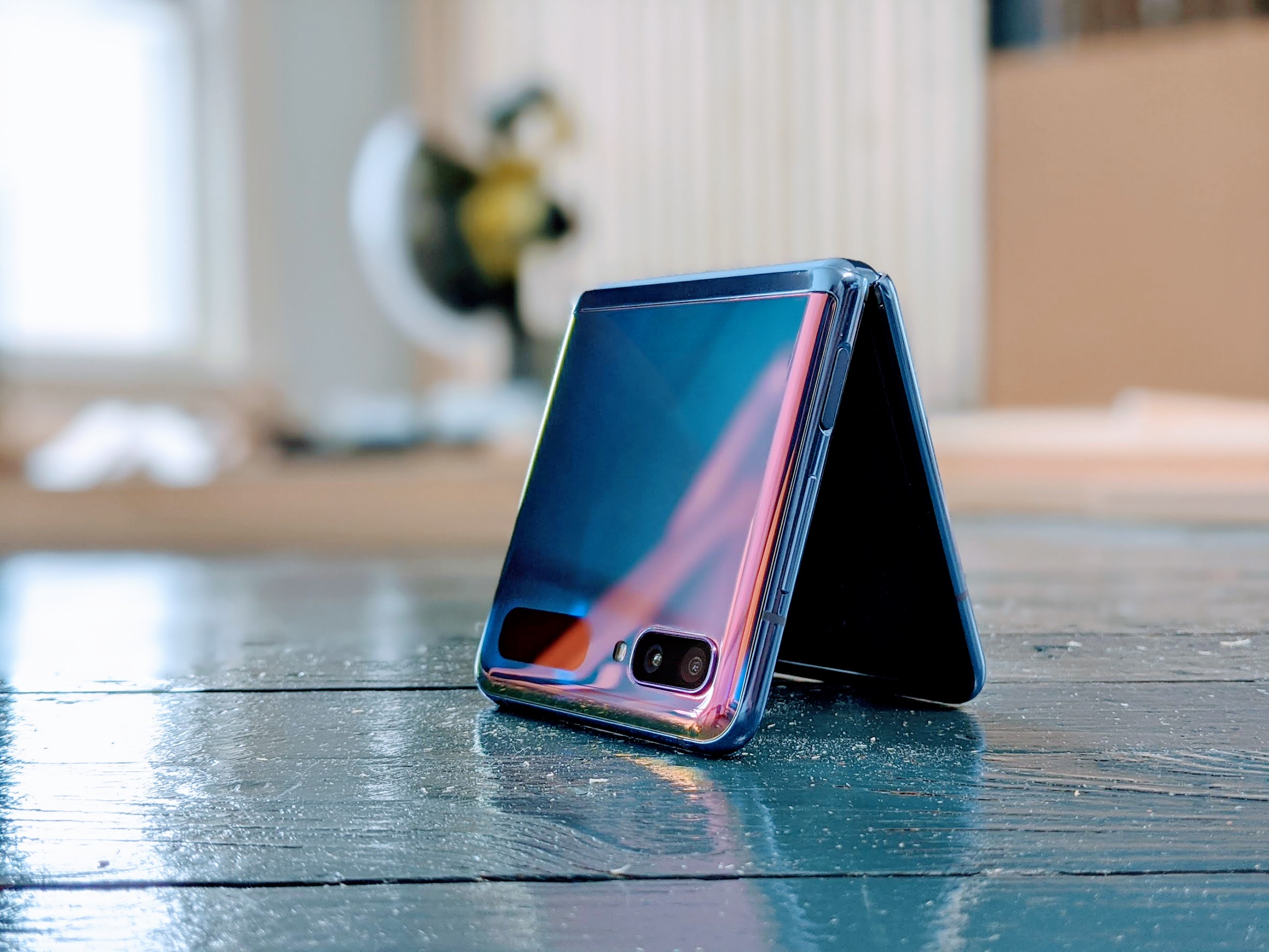
Samsung is clearly on a mission to prove that foldable phones don’t have to feel like bulky tech experiments. Early whispers regarding the Galaxy Z Flip 8 suggest that Samsung is focusing heavily on pocketability and refine design. If the rumors hold true, the next generation will be the slimmest flip phone the company has ever produced, coming in at approximately 12mm thick when folded. This represents a 10% reduction in thickness compared to its predecessor, which is a big win for anyone tired of the “folded brick” silhouette in their pocket.
Weight is also getting a haircut. The Z Flip 8 is expected to hit the scales at just 170g. To put that in perspective, this specialized device would actually be lighter than many traditional slab smartphones. Samsung engineers are also reportedly tackling the lingering issues of screen durability and the visible hinge crease, aiming for a more seamless internal display that feels as robust as a standard glass screen.
Cutting-Edge Performance and Efficiency
Under the hood, Samsung is expected to introduce its next-generation Exynos 2600 chipset. This silicon is particularly interesting because it uses a 2nm manufacturing process. Building a chip at this scale allows for better power efficiency and faster processing in a smaller footprint, which is exactly what a thin device like the Z Flip 8 needs. Just like the high-end display technology used in Samsung’s latest screen innovations, this processor is about pushing the limit of what is possible in a compact form factor.
With 12GB of RAM as standard, the multitasking experience should stay fluid even if you’re jumping between heavy apps on the cover and main screens. Storage configurations will likely mirror the current lineup, starting at 256GB and topping out at 512GB. This ensures plenty of room for 4K video and high-resolution photos without needing to rely solely on cloud storage.
Everyday Usability and Launch Window
The most practical upgrade might be the battery. Rumors point toward a capacity of at least 4,300mAh. For a device this thin, maintaining a large battery is a significant engineering feat. It means users can likely get through a full day of heavy scrolling and messaging without that mid-afternoon anxiety. This battery boost, combined with the efficiency of the 2nm chipset, should provide the best endurance ever seen in the Z Flip series.
Pricing is expected to remain consistent at around $1,100. This stable pricing strategy helps Samsung maintain its lead in the market while holding off aggressive competition from other manufacturers. As for when you can get your hands on one, expectations are pointing toward a mid-summer launch in 2026. Samsung typically hosts its major events in July, and there is no reason to believe they will deviate from that cycle for this release. If these specs hold, the Z Flip 8 might finally be the folding phone that feels like a zero-compromise daily driver.