| Metric | Value | Unit | Notes |
|---|---|---|---|
| Folded Thickness | 6 | mm | Rumored measurement when closed |
| Unfolded Thickness | 12 | mm | Rumored measurement when open |
| Weight | 170 | g | Lighter than most standard smartphones |
| Processor (SoC) | Exynos 2600 | — | 2nm process technology |
| RAM / Storage | 12 / 256-512 | GB | 12GB RAM, 256GB or 512GB storage options |
| Battery Capacity | 4,300 | mAh | Or higher, meaningful bump from previous models |
| Expected Price | 1,100 | USD | Matching Z Flip 7 launch price |
| Target Launch | Summer 2026 | — | Likely July based on Samsung’s schedule |
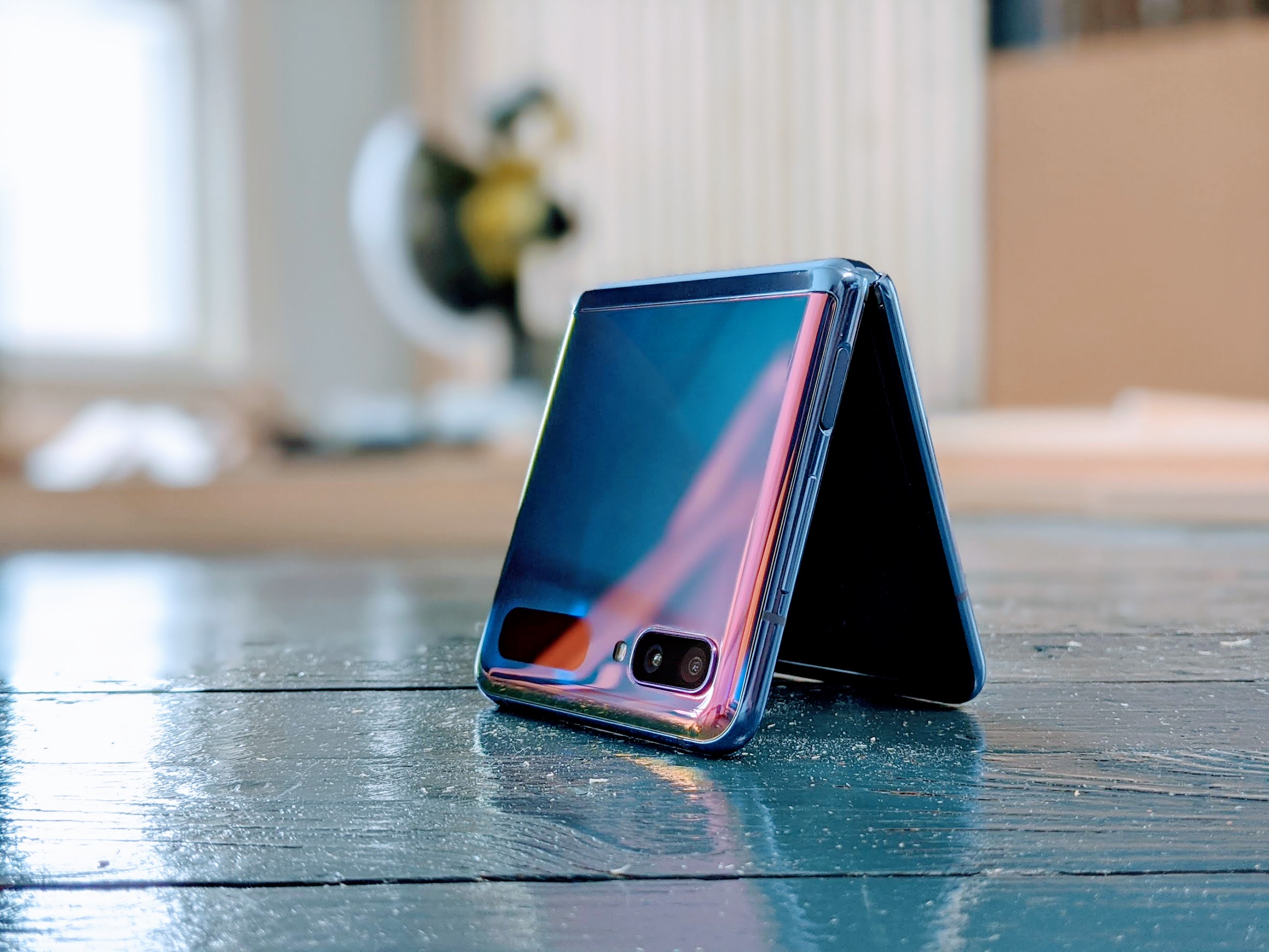
Remember when foldable phones felt like carrying folded bricks in your pocket? Samsung apparently does, and they’re determined to fix that. Early whispers about the Galaxy Z Flip 8 suggest the company’s next flip phone could be its slimmest yet, potentially measuring around 6mm when folded and 12mm when open. That’s roughly 10% thinner than the Z Flip 7, which should make it disappear into tight jeans without that awkward bulge we’ve all learned to tolerate.
The Slim Factor: When Thin Actually Matters
Let’s talk about that 170g weight for a moment. For context, that’s lighter than most standard slab smartphones today, despite the Z Flip 8 packing two screens and a hinge mechanism. When you’re slipping this into your pocket on the way out the door, you’ll notice the difference immediately. No more checking to make sure your phone hasn’t created a permanent dent in your thigh.
The rumored dimensions shown above represent more than just numbers on a spec sheet. They signal Samsung’s commitment to solving the fundamental ergonomic challenge of foldables. If these measurements hold true, we’re looking at a device that could finally deliver on the “pocket-friendly” promise that drew many of us to flip phones in the first place.
Display Refinements: The Crease Conundrum
Samsung’s engineers aren’t just focused on making the Z Flip 8 thinner. They’re reportedly working on reducing that persistent screen crease while boosting overall durability. These have been two of the most consistent complaints about foldable phones since the category emerged. The crease isn’t just a visual distraction, it affects how the screen feels under your thumb during everyday scrolling and typing.
Improved durability means more than just surviving accidental drops. It’s about the hinge feeling solid after thousands of openings and closings, and the display maintaining its integrity when you inevitably forget it’s in your back pocket before sitting down. These refinements matter because they address the subconscious anxiety that still accompanies owning a foldable device.
Performance Leap: The 2nm Advantage
Under the hood, things get even more interesting. The Galaxy Z Flip 8 might pack Samsung’s Exynos 2600 chipset built on cutting-edge 2nm process technology. This is the same silicon expected in the Galaxy S26 series, which tells you everything about the performance targets Samsung has in mind. Pair that with 12GB of RAM, and you’ve got smooth multitasking without the usual foldable compromises.
Storage options should start at 256GB and go up to 512GB for those who need the space. That 2nm process isn’t just marketing jargon. It means the processor can do more work while generating less heat and consuming less power. In practical terms, your phone won’t get uncomfortably warm during extended video calls or gaming sessions, and you’ll get better battery life from the same capacity.
Battery That Lasts: All-Day Confidence
Speaking of battery life, the Z Flip 8 gets a meaningful bump to 4,300mAh or higher. This should handle a full day of social media scrolling, video calls, and navigation without hunting for a charger by dinner time. It’s a smart move considering the Z Flip 7’s battery already improved over previous models, but there’s always room for more endurance when you’re relying on your phone from morning until night.
Think about your typical day. Morning commute with podcasts, work hours with emails and messaging, evening entertainment, and maybe some late-night scrolling. The 4,300mAh capacity shown in our table should cover that routine comfortably, with enough headroom for heavier usage days. No more battery anxiety when you’re out past sunset.
Pricing and Availability: Familiar Territory
Pricing is expected to stay around $1,100, matching the Z Flip 7’s launch price. This keeps Samsung competitive against Motorola’s Razr lineup while maintaining the premium flip phone experience. Look for a summer 2026 launch, likely July if Samsung sticks to its usual schedule.
That price point is interesting when you consider the broader foldable market. While Samsung refines its existing formula, Apple’s first foldable iPhone faces its own production challenges. The timing could position the Z Flip 8 as the mature, reliable choice in a market where competitors are still figuring things out.
The Bigger Picture: Samsung’s 2026 Vision
This isn’t happening in isolation. Samsung has big plans for 2026 across multiple product categories, and the Z Flip 8 appears to be part of that coordinated push. The company seems determined to make foldables feel less like experimental gadgets and more like mainstream devices you can recommend to anyone.
If these rumors pan out, the Galaxy Z Flip 8 could finally deliver the portable flip phone experience Samsung’s been chasing since the original Z Flip. It addresses the practical concerns that have held some people back from adopting foldables while maintaining the premium feel that justifies the price.
What’s particularly encouraging is how these improvements align with real-world usage. The thinner profile makes it more pocketable. The reduced crease makes the screen more enjoyable to use. The better battery means you won’t be tethered to outlets. And the competitive pricing means you won’t need a second mortgage to own one.
As we’ve seen with other devices, sometimes smart features need to feel seamless to be truly useful. The Z Flip 8’s rumored refinements suggest Samsung understands this. They’re not just adding specs, they’re refining the entire experience around how people actually use their phones day to day.
When summer 2026 rolls around, we might finally have a foldable that doesn’t ask you to compromise. One that fits in your pocket as easily as it fits into your life. And for anyone who’s been waiting for foldables to mature beyond their early growing pains, that’s worth getting excited about.