| Metric | Value | Unit | Notes |
|---|---|---|---|
| Folded Thickness | 6 | mm | Rumored measurement when closed |
| Unfolded Thickness | 12 | mm | Rumored measurement when open |
| Weight | 170 | g | Approximately 10% lighter than standard smartphones |
| Processor (SoC) | Exynos 2600 | — | 2nm process technology, same as Galaxy S26 series |
| RAM | 12 | GB | LPDDR5X expected for smooth multitasking |
| Storage Options | 256-512 | GB | UFS 4.0 storage expected |
| Battery Capacity | 4,300 | mAh | Meaningful bump from previous models |
| Launch Price | $1,100 | USD | Expected to match Z Flip 7 launch pricing |
| Expected Launch | Summer 2026 | — | Likely July based on Samsung’s usual schedule |
Remember that moment when you slip a modern foldable into your pocket and it feels like you’re carrying a small brick? Samsung apparently does, and they’re determined to fix it. Early whispers about the Galaxy Z Flip 8 suggest the company is going all-in on making foldables feel less like folded construction projects and more like the sleek, portable devices they were meant to be.
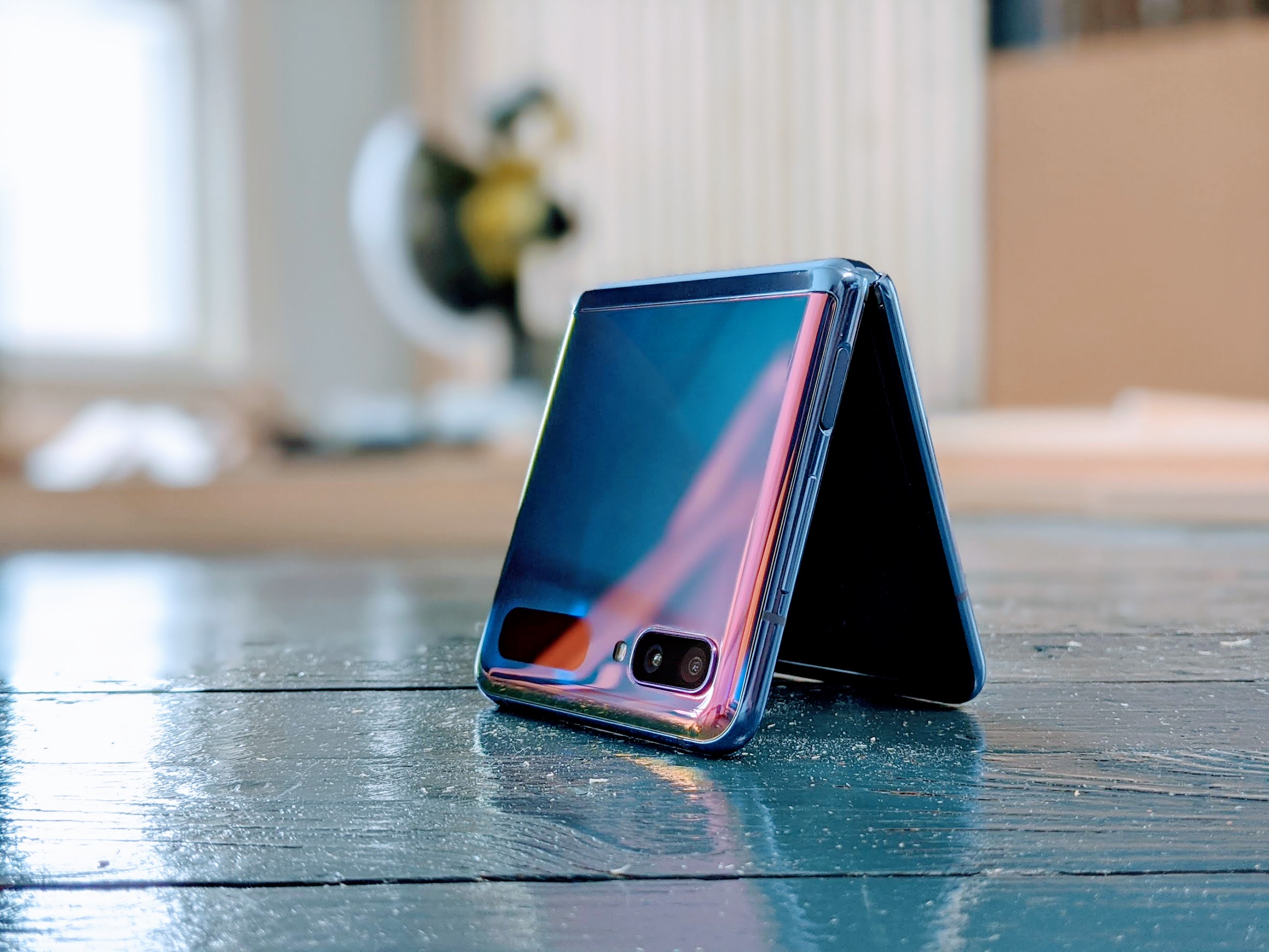
If the rumors pan out, we’re looking at what could be Samsung’s thinnest flip phone yet, with dimensions that might finally make that “pocket-friendly” marketing claim feel genuine rather than aspirational.
The Slim Factor: When Thin Actually Matters
Let’s talk numbers for a second. The Galaxy Z Flip 8 is rumored to measure around 6mm when folded and 12mm when unfolded. That’s roughly 10% thinner than the Z Flip 7, which doesn’t sound like much until you consider how those millimeters translate to real-world comfort. Picture slipping this into tight jeans without that awkward rectangular bulge announcing your tech investment to everyone within visual range.
Weight’s dropping too, with whispers pointing to about 170 grams. For context, that’s lighter than most standard slab smartphones today, despite the Z Flip 8 packing two screens, a hinge mechanism, and all the structural reinforcement that foldables require. Samsung’s engineers have apparently been busy rethinking materials and internal layouts, potentially using newer, lighter alloys and more efficient component stacking.
The company is also reportedly working on reducing that persistent screen crease that’s been the bane of foldable enthusiasts since day one. While we don’t have specifics yet, industry chatter suggests improvements to the ultra-thin glass (UTG) layer and hinge mechanics that could make the crease less visible and more durable over thousands of folds.
Performance That Doesn’t Fold Under Pressure
Under the hood, things get even more interesting. The Galaxy Z Flip 8 might pack Samsung’s own Exynos 2600 chipset, built on cutting-edge 2nm process technology. This is the same silicon expected to power the Galaxy S26 series, which tells you something about Samsung’s confidence in their in-house processor development. The 2nm process means more transistors in the same space, translating to better performance and efficiency without cooking your hand during extended use.
Pair that Exynos 2600 with 12GB of RAM (likely LPDDR5X) and storage starting at 256GB (probably UFS 4.0), and you’ve got a spec sheet that looks more like a flagship slab phone than a compromise-laden foldable. The days of foldables feeling sluggish or cutting corners on memory seem to be ending, if these Galaxy Z Flip 8 rumors hold true.
Imagine this scenario: You’re juggling between a video call, checking flight details, and messaging friends about dinner plans—all while waiting at the airport gate. With this kind of hardware, that multitasking shouldn’t come with the usual foldable stutters or app reloads that can make the experience feel like a step backward from traditional phones.
Battery Life That Lasts More Than a Coffee Break
One of the most practical upgrades rumored for the Z Flip 8 is the battery bump to 4,300mAh or possibly higher. That’s a meaningful increase from previous models and addresses one of the most common complaints about compact foldables: the constant charger hunt.
Modern battery chemistry has come a long way, with improvements in energy density meaning Samsung can pack more capacity into roughly the same space. Combine that with the efficiency gains from the 2nm Exynos 2600, and you’re looking at a device that should handle a full day of social media scrolling, video calls, and navigation without begging for a power outlet by dinner time.
It’s a smart move, especially considering how people actually use their phones. The Z Flip’s compact form factor encourages more frequent opening and closing throughout the day—checking notifications, taking quick photos, replying to messages—and each of those actions consumes power. A larger battery gives you the freedom to use the folding mechanism as intended without constantly worrying about your battery percentage.
The Software Experience: Where Foldables Shine or Stumble
Hardware is only half the story with foldables. Samsung’s One UI has generally been ahead of the curve when it comes to software optimization for folding displays, but there’s always room for improvement. The Z Flip 8 will likely launch with whatever version of Android is current in summer 2026, but more importantly, it should come with Samsung’s commitment to extended software support.
Given the premium price tag, buyers reasonably expect four years of major OS updates and five years of security patches. This isn’t just about having the latest features—it’s about protecting your investment and ensuring the device remains secure and functional throughout its usable life. Samsung has been improving their update track record recently, and foldables should receive the same long-term commitment as their flagship S-series counterparts.
The cover screen experience deserves special mention too. That external display has evolved from a simple notification viewer to a genuinely useful secondary interface. With the Z Flip 8, we might see even more functionality packed into that compact space, making quick interactions—replying to messages, controlling music, checking calendar—possible without unfolding the device.
Pricing and Competition: The Foldable Landscape Evolves
Pricing is expected to stay around $1,100, matching the Z Flip 7’s launch price. That keeps Samsung competitive against Motorola’s Razr lineup while maintaining the premium flip phone experience. It’s a delicate balance—charge too much, and you push potential buyers toward traditional flagships; charge too little, and you compromise on the materials and engineering that make foldables special in the first place.
Looking at the broader foldable market, Samsung faces increasing competition not just from Motorola, but potentially from Apple’s rumored foldable iPhone and continued pressure from Chinese manufacturers. Each competitor brings different strengths to the table, but Samsung’s years of experience with foldable displays and hinge mechanisms give them a head start in solving the practical challenges of daily foldable use.
The supply chain context matters here too. Samsung Display manufactures the flexible OLED panels used in their own devices and often supplies competitors as well. This vertical integration gives them control over display quality and potentially early access to the latest panel technologies, which could explain some of the crease reduction improvements we’re hearing about.
Looking Ahead to Summer 2026
If Samsung sticks to their usual schedule, we can expect a Galaxy Z Flip 8 launch in July 2026. That gives the company time to refine the design, optimize the software, and ensure production quality meets their standards. The foldable market has matured significantly since the original Z Flip, and consumers now have higher expectations for durability, performance, and overall polish.
What’s exciting about these rumors isn’t just the individual specs—it’s how they come together to address the real-world frustrations that have held back foldable adoption. The thickness reduction makes it more pocketable. The weight drop makes it more comfortable to carry. The performance upgrades make it competitive with traditional flagships. And the battery improvement addresses one of the most practical concerns about daily use.
If these Galaxy Z Flip 8 leaks prove accurate, we might finally be looking at the portable flip phone experience Samsung has been chasing since the original model. It’s not about being the first to market anymore—it’s about being the best at solving the actual problems people encounter when they choose a folding device over a traditional smartphone.
The journey from novelty to mainstream always involves this kind of refinement. Early adopters tolerate compromises for the sake of innovation, but mass adoption requires solving those compromises. With the Z Flip 8, Samsung appears focused on doing exactly that: making a foldable that doesn’t feel like you’re sacrificing anything for the folding form factor. And if they succeed, it could change how we think about what a smartphone should be.