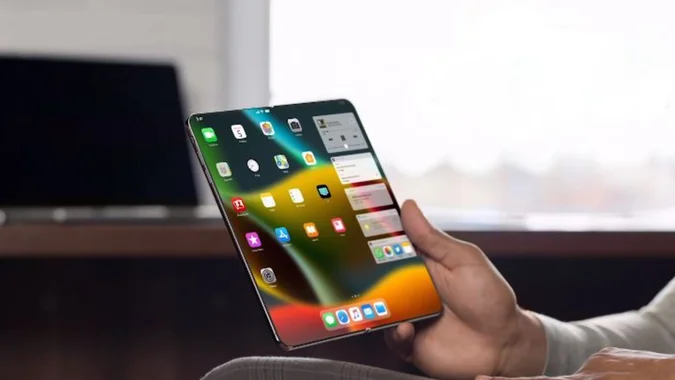
Remember that awkward bulge in your jeans pocket? The one that made you feel like you were carrying a folded brick instead of a smartphone? Samsung apparently does, and their solution might arrive in the form of the Galaxy Z Flip 8. Early whispers from the supply chain suggest the company is going all in on slimming down its flip phone formula, targeting measurements that could finally make foldables feel truly pocket friendly.
| Metric | Value | Unit | Notes |
|---|---|---|---|
| Folded Thickness | 12 | mm | Approximately 10% thinner than Z Flip 7 |
| Unfolded Thickness | 6 | mm | Slim profile when open for use |
| Weight | 170 | g | Lighter than most standard smartphones |
| Processor (SoC) | Exynos 2600 | — | 2nm process technology |
| RAM / Storage | 12 / 256-512 | GB | Expected configurations |
| Battery Capacity | 4,300 | mAh | Meaningful bump from previous models |
| Launch Price | 1,100 | USD | Expected to match Z Flip 7 pricing |
| Expected Launch | Summer | 2026 | Likely July based on Samsung’s schedule |
The Pocket Revolution
Those dimensions in the table above tell a compelling story. At 12mm when folded and a slender 6mm when unfolded, the Z Flip 8 represents what could be Samsung’s most aggressive slim-down yet. For context, that’s roughly 10% thinner than the already compact Z Flip 7. The weight drop to around 170 grams is equally significant, putting it below many conventional slab smartphones despite packing two displays and a hinge mechanism.
From an engineering perspective, achieving these numbers while maintaining durability is no small feat. Samsung’s reportedly working on reducing the visible screen crease that’s been a hallmark complaint about foldables. They’re also targeting improved hinge mechanisms and stronger ultra-thin glass. If you’ve ever worried about your foldable feeling fragile, these Galaxy Z Flip 8 rumors suggest Samsung is listening.
Performance Without Compromise
Under the hood, things get even more interesting. The Z Flip 8 might debut Samsung’s Exynos 2600 chipset, built on an advanced 2nm process technology. This is the same silicon expected to power the Galaxy S26 series, representing a significant leap in efficiency and performance. Paired with 12GB of RAM, this setup should handle multitasking and demanding applications without the thermal throttling or performance dips that sometimes plague early foldable iterations.
Storage options are rumored to start at 256GB with a 512GB variant for those who need more space for photos, videos, and apps. What’s particularly encouraging here is that Samsung seems committed to delivering flagship-level performance in a foldable form factor, rather than treating it as a secondary consideration.
Battery Life That Keeps Up With You
Here’s where daily usability really comes into focus. The rumored 4,300mAh battery represents a meaningful increase over previous models. In practical terms, this should translate to a full day of mixed use, including social media scrolling, video calls, photography, and messaging without that anxious hunt for a charger by late afternoon.
Consider your typical day, maybe starting with a morning video call, followed by navigation during your commute, periodic social media checks, some camera use at lunch, and evening streaming. The Z Flip 7 already showed improvement in this department, and the Z Flip 8’s larger capacity suggests Samsung understands that battery anxiety has no place in a premium device.
Pricing and the Competitive Landscape
At an expected $1,100 launch price, Samsung appears to be holding the line rather than increasing costs. This keeps them competitive against Motorola’s Razr lineup while maintaining what many consider the premium flip phone experience. The pricing strategy makes sense when you consider the broader foldable competition heating up across the industry.
Looking at the timeline, a summer 2026 launch (likely July if Samsung sticks to its usual schedule) gives the company time to refine production and potentially address any last-minute engineering challenges. It also positions the Z Flip 8 as a mature product in a category that’s rapidly evolving from novelty to mainstream option.
The Big Picture
If these rumors materialize, the Galaxy Z Flip 8 could represent a turning point for flip-style foldables. We’re talking about a device that addresses the three biggest pain points, thickness, weight, and battery life, while maintaining premium materials and performance. The reduced screen crease and improved durability would tackle the remaining psychological barriers for many potential buyers.
What’s particularly exciting from an industry perspective is seeing foldable technology mature. Early adopters dealt with compromises, but devices like the potential Z Flip 8 suggest we’re moving toward foldables that don’t ask you to sacrifice anything for their unique form factor. They’re becoming simply another excellent choice in the smartphone landscape, one that happens to fold in half.
As we look toward summer 2026, the question isn’t whether foldables will continue to exist, but whether they’ll finally achieve the pocket-friendly, all-day reliable experience that could make them many people’s next phone. Based on these rumors, Samsung might be closer than ever to delivering exactly that.