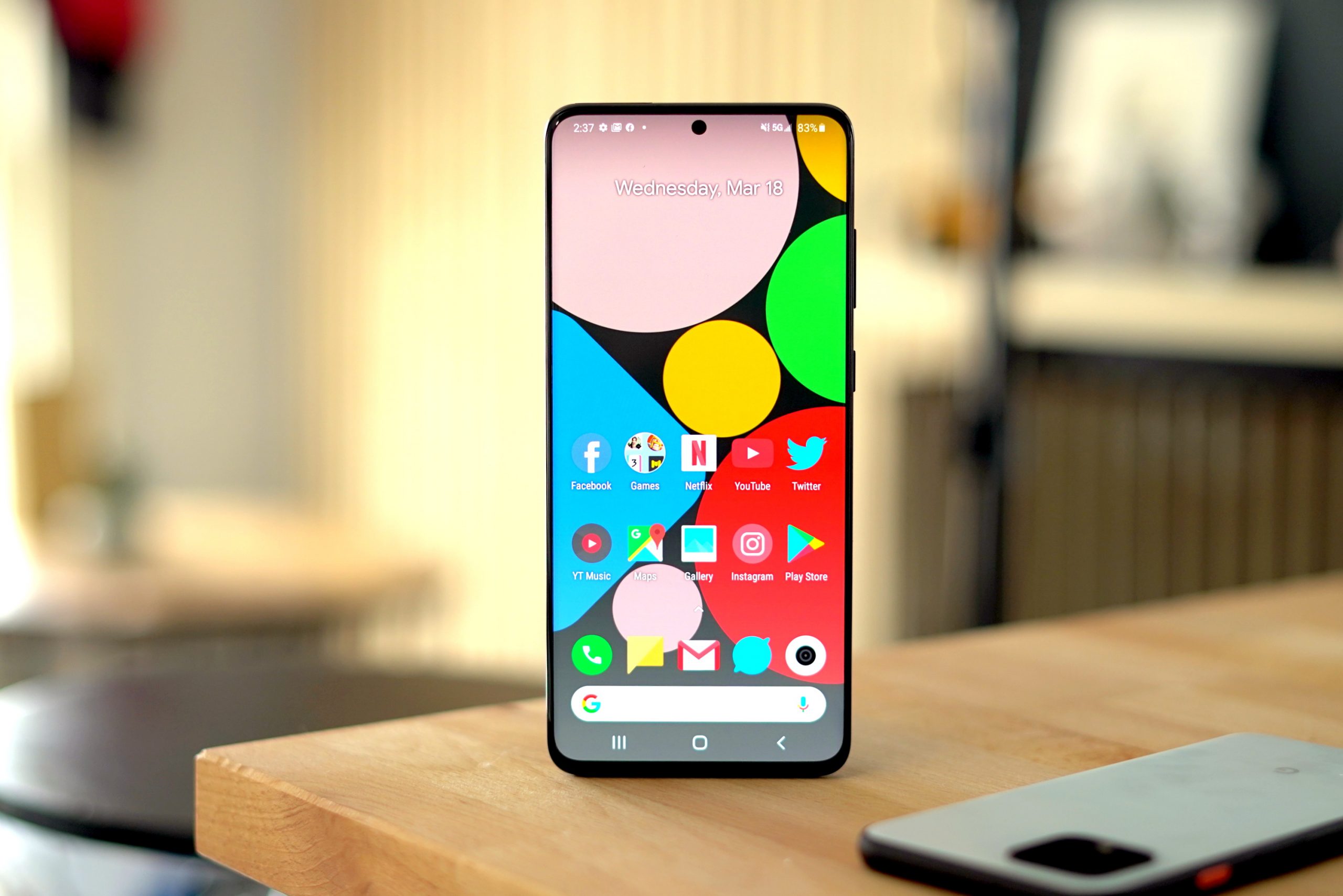
Picture this. You just installed the latest Android 16 QPR2 update on your Pixel 10, expecting smoother animations and new features. Instead, your phone’s battery starts draining faster than you can say “wireless charging,” and the touchscreen occasionally ignores your swipes. Frustrating, right? Well, Google just swooped in with a remarkably quick fix that shows how seriously they’re taking post-update polish.
Google is quietly deploying a second December 2025 update specifically for Pixel 8, 9, and 10 series devices, primarily targeting those pesky battery drain and touch response problems that surfaced after the Android 16 QPR2 release. This isn’t some massive overhaul, it’s a surgical 25MB patch that zeroes in on the exact issues causing headaches for users. For now, it appears limited mainly to Verizon models, but that rollout will likely expand soon.
The Technical Nitty-Gritty Made Simple
Let’s break down what this update actually does without drowning in jargon. The build number BP4A.251205.006.E1 might look like alphabet soup, but it represents Google’s targeted response to specific problems. First up, battery drain. Some Pixel 10 owners reported their screen-on time dropping noticeably after the December update. This patch directly addresses what Verizon’s changelog calls “faster-than-expected battery drain,” which means your device should return to its normal endurance levels.
Then there’s the touch responsiveness issue. Imagine trying to type a message or scroll through your feed, and the screen just doesn’t register your taps. That intermittent failure was happening on some Pixel 10 devices, and this update specifically targets “touch unresponsiveness” according to carrier documentation. Scrolling, typing, and gestures should feel consistently smooth again after installation.
There’s also a fix for accessing locally cached or offline content, particularly for users who made the big jump straight from Android 14 to Android 16. These kinds of transition issues aren’t uncommon in major OS updates, and it’s good to see Google catching them quickly.
Why This Quick Response Matters
From an industry perspective, this unusually rapid follow-up patch tells us something important about Google’s current approach to software maintenance. They’re not waiting for the next scheduled monthly update, they’re pushing out fixes as soon as they’re ready. This aggressive bug correction strategy reflects how competitive the smartphone market has become, where user experience expectations have never been higher.
Think about your daily routine with your phone. That battery anxiety when you see the percentage dropping faster than usual, or the frustration when your touchscreen doesn’t respond during an important message. These aren’t minor inconveniences, they’re fundamental disruptions to how we interact with our devices. Google understands that, which is why they’re moving quickly to address these issues.
The Bigger Picture of Pixel Polishing
This patch arrives just days after positive coverage praised Android 16 QPR2 for finally unlocking the Pixel 10’s full performance potential. It highlights a pattern we’ve seen with new Pixel flagships, they often need multiple updates before they feel completely polished. While some might see this as a negative, I view it differently. It shows Google is actively listening to user feedback and responding with concrete fixes.
Compared to how other manufacturers handle post-launch issues, Google’s approach with this rapid response update is particularly noteworthy. While companies like Samsung are making massive leaps in display technology and Apple is working on innovative form factors, Google is demonstrating something equally important, commitment to refining the software experience after devices are in users’ hands.
For Pixel owners wondering about long-term support, this quick patch should be reassuring. Google continues to offer extended update commitments for Pixel devices, and this rapid response shows they’re serious about maintaining software quality throughout that support period.
What This Means for Your Daily Use
Practically speaking, once this update reaches your device, you should notice two main improvements. Your battery life should stabilize back to what you experienced before the December update, meaning you won’t be scrambling for a charger midday. And that occasional touchscreen unresponsiveness, where swipes or taps didn’t register, should become a thing of the past.
The update isn’t yet available on Google’s factory or OTA image pages for manual download, and it may remain limited to certain carriers or regions initially. So if you don’t see it immediately under System Update, don’t worry, it’s coming. These staged rollouts help Google catch any potential issues before widespread deployment.
In the grand scheme of smartphone evolution, a 25MB patch might seem insignificant. But for Pixel users who’ve been dealing with battery anxiety and touchscreen frustrations, it represents something much bigger. It’s Google saying, “We hear you, we’re fixing it, and we’re doing it quickly.” In today’s competitive market, that kind of responsive software support might just be as important as any hardware innovation.