| Metric | Value | Unit | Notes |
|---|---|---|---|
| Unfolded Display | 7.76 | inch | Crease-free internal screen |
| Resolution | 2,713 x 1,920 | px | High-density folding panel |
| Folded Thickness | 9.6 | mm | Prioritizes durability over thinness |
| Unfolded Thickness | 4.8 | mm | Excludes camera protrusion |
| Build Materials | Titanium / Aluminum | — | Mixed alloy for reinforced frame |
| Expected Launch | September 2026 | — | Codenamed V68 |
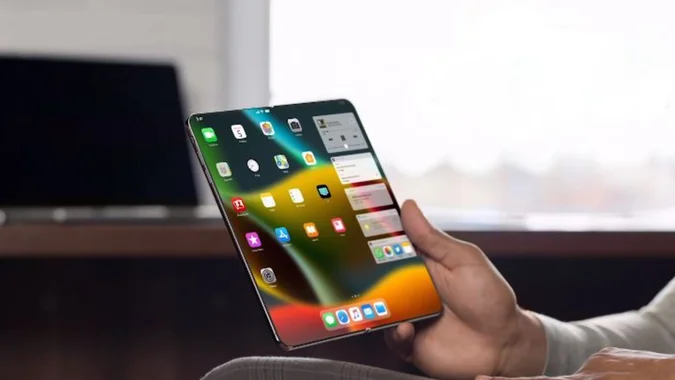
The tech world has been buzzing about an Apple foldable for years, but recent leaks have finally given us a concrete look at what Cupertino is cooking. Newly surfaced CAD renders reveal a device, codenamed V68, that looks to bridge the gap between the iPhone and the iPad mini. It is a design that prioritizes a expansive screen experience while solving the ergonomics issues that often plague current folding devices.
Set for a potential release in late 2026, this leaked Apple foldable features a 5.5 inch outer display. What is particularly interesting is the aspect ratio. At 83.8mm wide, it is shorter and wider than the narrow slabs we see from competitors, making it feel more natural in a side pocket and much easier to navigate with one hand when closed.
Engineering a Crease-Free Future
When you flip the device open, the real magic happens. The inner screen expands to a massive 7.76 inches with a sharp 2,713 x 1,920 resolution. This essentially puts an iPad mini in your pocket, perfect for heavy multitasking or catching up on work during a flight. While many manufacturers have struggled with the physical dip in the center of the screen, Apple appears to be using laser-drilled microstructures to create a truly smooth, crease-free viewing surface.
At just 4.8mm thin when unfolded, the device is incredibly sleek. However, Apple is not chasing the title of the world’s thinnest foldable just for the sake of it. The 9.6mm folded thickness is slightly more substantial than the thinnest flip phone designs from Samsung, but that extra room is likely there to accommodate the complex hinge and display tech required to eliminate that annoying center crease.
Durability Meets Daily Use
Apple is opting for a mixed titanium and aluminum frame to ensure the device can handle the rigors of daily opening and closing. This choice of materials suggests a focus on long-term usability, ensuring the hinge remains snappy and the chassis stays rigid over years of use. For photography, the renders point to a dual rear camera system similar to what we expect on the iPhone 17, sticking to a proven setup rather than overcomplicating the thin body with excessive sensors.
The internal screen also looks to house an under-display selfie camera. This means no notch or hole-punch to distract you when you are watching movies or sketching with a stylus. While there are reports that supply constraints could impact availability at launch, these CAD leaks suggest that Apple has spent its time learning from the industry’s early mistakes to create a more polished, user-friendly foldable.