| Metric | Value | Unit | Notes |
|---|---|---|---|
| Unfolded Display | 7.76 | inch | Crease-free LTPO OLED via microstructures |
| Folded Display | 5.5 | inch | 83.8mm wide for easier one-handed use |
| Resolution | 2,713 x 1,920 | pixels | Nearly matching iPad mini density |
| Thickness (Open/Folded) | 4.8 / 9.6 | mm | Engineered for durability over extreme thinness |
| Frame Material | Titanium / Aluminum | — | Mixed alloy for weight and strength |
| Camera Setup | Dual Rear | MP | Equivalent to iPhone 17 series |
| Launch Window | September 2026 | — | Expected alongside flagship iPhone refresh |
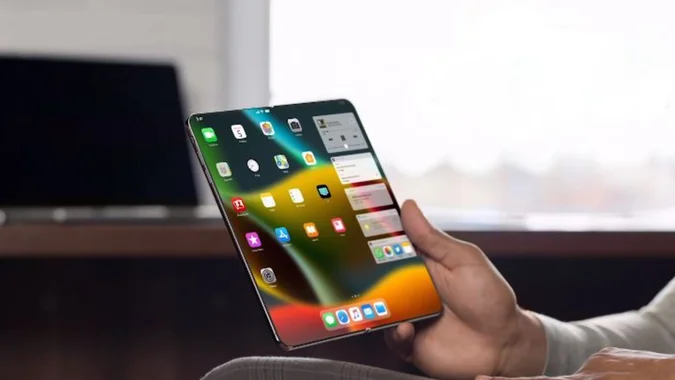
The long-rumored Apple foldable (currently dubbed V68) is finally taking shape. New CAD leaks suggest that Apple isn’t just making a phone that bends, but rather a hybrid device that could potentially replace your iPad mini. If these renders are accurate, we are looking at a device that prioritizes a wide, usable external screen over the tall and skinny “remote control” designs we have seen from competitors.
While many have tracked the scarcity concerns surrounding this launch, the hardware details paint a picture of a very polished user experience. When closed, the device features a 5.5 inch outer display. At 83.8mm wide, it feels much more like a traditional smartphone than the narrow Galaxy Z Fold series. This extra width makes typing on the front screen much less of a chore, fitting naturally into a side pocket thanks to its shorter 120.6mm height.
The Crease-Free Holy Grail
When you flip the device open, the magic happens. The screen expands to a 7.76 inch canvas with a resolution of 2,713 x 1,920. This is almost identical to the screen real estate of an iPad mini, making it a dream for anyone who likes to run split-screen apps or sketch on the go. One of the most interesting technical details is how Apple is handling the hinge area.
The leaked Apple foldable CAD indicates that the company is using laser-drilled microstructures to create a display that is truly crease-free. To achieve this, Apple is willing to sacrifice a bit of thinness. At 4.8mm when unfolded and 9.6mm when closed, it is slightly thicker than what some rivals are aiming for. However, that extra half-millimeter likely houses the mechanical components needed to ensure the screen stays perfectly flat over years of use.
Strategic Design Choices
Apple seems to be following a familiar playbook here: let others go first, watch the pain points, and then solve them. While Samsung is pushing for the slimmest foldable experience possible, Apple is doubling down on structural integrity. The frame is reportedly a mix of titanium and aluminum, offering the tactile premium feel of the Pro series with the lightweight benefits needed for a larger folding chassis.
The camera system appears to be a dual-lens setup modeled after the upcoming iPhone 17. More impressively, the internal display is rumored to feature an under-display camera. This means no notch or hole-punch to distract you while watching videos or reading. It is a clean, uninterrupted look that tech enthusiasts have been demanding for years.
A New Lifestyle Fit
Imagine being on a flight and unfolding your phone to watch a movie on a screen that actually feels like a tablet, or sitting in a coffee shop and handling a complex spreadsheet without squinting. That is the workflow Apple is targeting. By moving away from the “tall slab” ergonomics, they have created a device that functions as a wide-aspect phone when closed and a productivity powerhouse when open.
While we are still looking at a September 2026 release window, the level of detail in these CAD renders suggests that development is well beyond the experimental phase. Apple is clearly ready to turn the iPhone into something much more versatile. It might be a late entry to the folding market, but the focus on a crease-free, wider display could make it the one that finally convinces the skeptics.