You know that feeling when you pick up a phone that costs half of what flagships do, but it doesn’t feel like a compromise? That’s the immediate impression the Redmi Note 15 Pro Plus leaves on you. Xiaomi has finally brought its top-tier Note model to global markets, and after spending some quality time with it, I’m convinced this isn’t just another budget phone. It’s a statement about what affordable smartphones can actually deliver in 2024.
| Metric | Value | Unit | Notes |
|---|---|---|---|
| Display Size & Type | 6.83 | inch | AMOLED, 120Hz refresh rate, curved edges |
| Peak Brightness | 3,200 | nits | Measured in high brightness mode (HBM) |
| Processor (SoC) | Snapdragon 7s Gen 4 | — | 4nm process; mid-range performance tier |
| RAM / Storage | 12 / 512 | GB | Maximum configuration available |
| Battery Capacity | 6,500 | mAh | Massive capacity for extended usage |
| Wired Charging | 100 | W | Proprietary fast charging technology |
| Main Camera Sensor | 200 | MP | High-resolution primary sensor |
| Ultra-wide Camera | 8 | MP | Secondary camera for wider shots |
| Front Camera | 32 | MP | Selfie and video call camera |
| Weight | Approx. 210 | g | Fibreglass back, plastic frame |
| IP Rating | IP69K | — | Dust tight; high-pressure water jet resistant |
| Display Resolution | 2772 x 1280 | pixels | Sharp, detailed visual experience |
Build Quality That Surprises
Xiaomi’s talking up its “Redmi Titan Durability” marketing, but here’s what that actually means in practice. The phone feels solid in hand, with a fibreglass rear panel that has this subtle texture to it. It’s not slippery like glass, which is a smart move for everyday use. The front gets Gorilla Glass Victus 2 protection, the same stuff you find on phones costing twice as much.
Now, the sides are plastic. Let’s be real about that. But in the context of a budget phone, it’s a sensible compromise that keeps weight down and probably helps with signal reception. What really impresses is the IP69K rating. That’s not just splash resistance, that’s protection against high-pressure water jets and complete dust ingress. You could take this camping or to the beach without constantly worrying about it.
From an industry perspective, Xiaomi’s supply chain decisions here are interesting. They’re using fibreglass instead of more expensive materials, but pairing it with premium Corning glass up front. It’s a calculated move that delivers perceived quality where users notice it most, while keeping costs manageable.
A Display That Wows
That 6.83-inch AMOLED screen is the centerpiece of the experience. At 3200 nits peak brightness, it’s genuinely visible in direct sunlight. I tested it outside at noon, and I could read texts without squinting. The 120Hz refresh rate makes everything feel fluid, from scrolling through social media to navigating menus.
The resolution sits at 2772 x 1280 pixels, which is plenty sharp for this size. What’s interesting is the curved edges, reminiscent of those 2.5D displays from a few years back. Some people love the aesthetic, others find it less practical. Personally, I appreciate how it makes the phone feel more premium in hand, though the bezels are a bit thicker than what you’d see on true flagships.
Here’s a practical observation. Watching videos on this thing is genuinely enjoyable. The colors pop, blacks are deep thanks to the AMOLED technology, and that brightness means HDR content actually looks impressive. For a phone in this price bracket, the display experience punches well above its weight.
Performance That Handles Real Life
Powering everything is Qualcomm’s Snapdragon 7s Gen 4 chipset. Let’s be clear, you’re not getting Snapdragon 8 Gen 3 benchmark numbers here. But that’s not really the point. What you get is smooth everyday performance that handles social media, messaging, streaming, and casual gaming without breaking a sweat.
The 4nm manufacturing process means decent power efficiency, which pairs nicely with that massive battery we’ll talk about shortly. You can configure it with up to 12GB of RAM and 512GB of storage, which is frankly overkill for most users but nice to have for future-proofing.
Where things get interesting is the software experience. Hyper OS 2 comes pre-installed with, let’s say, a generous helping of apps. The good news? You can uninstall most of them. The interface itself is clean and responsive, with thoughtful animations that take advantage of that 120Hz display. It’s a reminder that software optimization matters just as much as raw hardware specs.
Cameras That Capture Moments
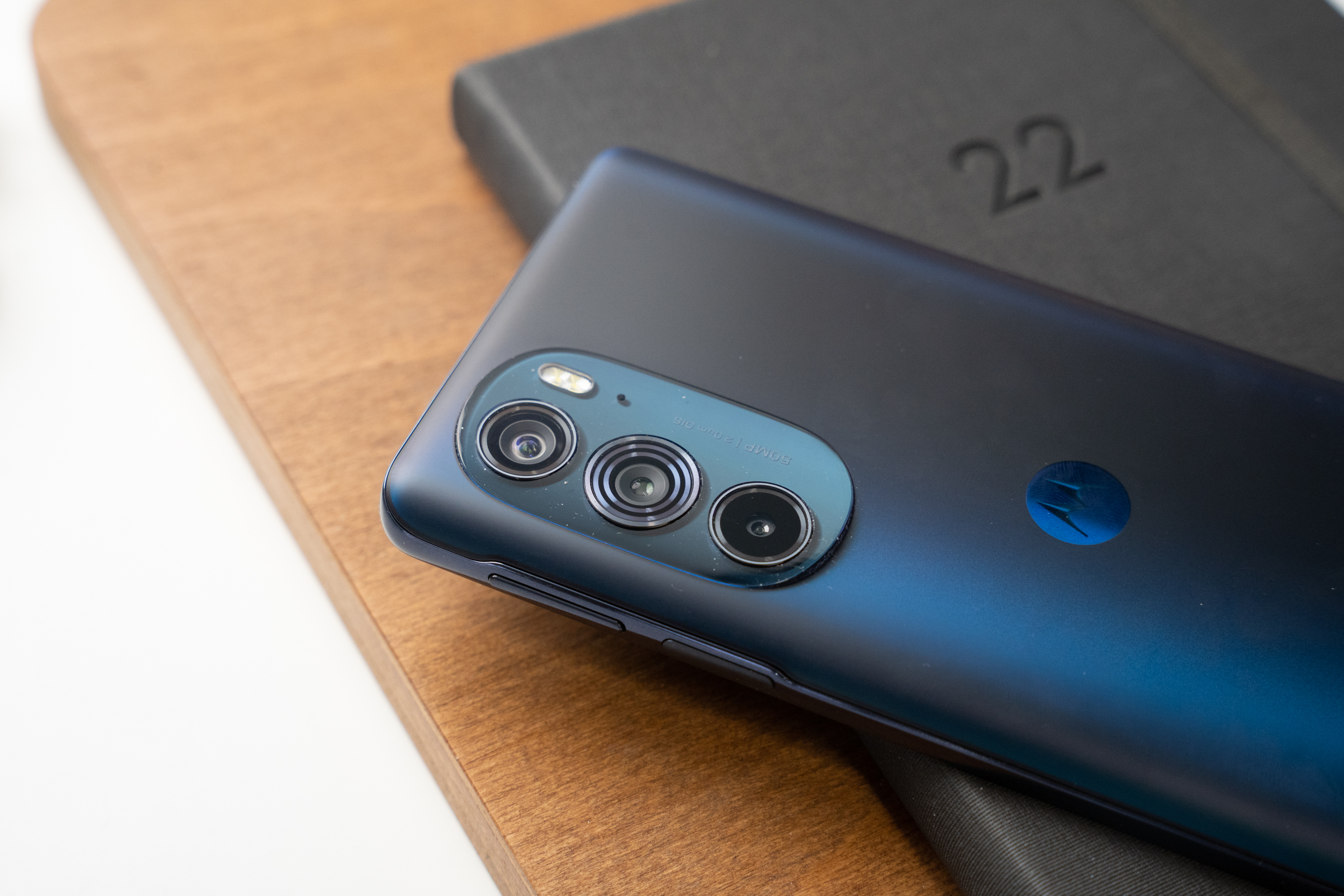
The camera setup is straightforward but effective. A 200MP main sensor handles most shooting situations, while an 8MP ultra-wide gives you flexibility for landscapes or group shots. Up front, a 32MP sensor takes care of selfies and video calls.
In practice, photos come out looking good. Daylight shots have plenty of detail and natural colors. Low-light performance surprised me, with decent noise control and usable results. The phone uses pixel-binning technology, combining multiple pixels into one larger virtual pixel for better light capture in challenging conditions.
Video recording tops out at 4K 30fps on the main camera, which is standard for this segment. The front camera does 1080p, perfectly adequate for video calls and casual selfie videos. What matters most is that the camera system gets out of the way and lets you capture moments without fussing with settings.
Battery Life That Lasts
Now let’s talk about the star of the show, that 6500mAh battery. In my testing, this thing just goes and goes. A full day of heavy use, including streaming, navigation, and camera use, barely made a dent. For lighter users, we’re talking two days between charges easily.
The 100W charging is where things get exciting. Plug it in during your morning routine, and you’ll have enough juice to get through the day. The charging technology uses dual-cell architecture to manage heat and maximize efficiency. It’s the kind of feature that changes how you use your phone, eliminating battery anxiety completely.
This massive battery capacity represents a shift in how manufacturers approach mid-range devices. Instead of chasing thinness at all costs, there’s recognition that all-day, worry-free battery life matters more to most users. It’s a practical choice that delivers tangible benefits in daily use.
The Bigger Picture
What Xiaomi’s doing with the Redmi Note 15 Pro Plus is interesting from an industry perspective. They’re taking features that were once flagship-exclusive, like high-refresh-rate AMOLED displays and fast charging, and making them accessible at lower price points.
The global launch strategy shows confidence in the product. After debuting in China, bringing this model worldwide indicates Xiaomi believes it can compete effectively in diverse markets. It’s part of a broader trend where mid-range phones are getting genuinely good, blurring the lines between budget and premium segments.
From a user’s perspective, the value proposition is compelling. You get a phone that feels premium, performs reliably, and lasts all day. The camera system handles most situations well, and the display is genuinely enjoyable to use. Sure, there are compromises, like the plastic frame and mid-range processor, but they’re thoughtful compromises that keep the price accessible.
The software experience with Hyper OS 2 is generally smooth, though the pre-installed apps might annoy some users. The good news is you can clean it up to your liking. What matters is that the core experience, the stuff you interact with every day, feels polished and responsive.
Final Thoughts
Spending time with the Redmi Note 15 Pro Plus left me impressed. It’s not trying to be something it’s not. Instead, it focuses on delivering a solid, reliable experience where it matters most. The build quality feels better than the price suggests, the display is genuinely good, and that battery life is exceptional.
For anyone tired of charging their phone multiple times a day, or frustrated with budget phones that feel cheap, this represents a compelling alternative. It proves that you don’t need to spend flagship money to get a phone that handles daily life with confidence.
The Redmi Note series has always been about value, but with the Pro Plus model, Xiaomi is pushing that concept further. They’re not just matching expectations for budget phones, they’re redefining what’s possible at this price point. In a market where phones keep getting more expensive, that’s a refreshing approach that deserves attention.
Whether you’re upgrading from an older device or looking for a capable secondary phone, the Redmi Note 15 Pro Plus makes a strong case for itself. It delivers where it counts, compromises thoughtfully, and ultimately gives you more phone than you might expect for the money. And in today’s market, that’s exactly what many people are looking for.