You know that feeling when you pick up a phone expecting plastic creaks and compromise, but instead your fingers find something solid, something that feels like it costs twice as much? That’s the first thing that hits you with the Redmi Note 15 Pro Plus. Xiaomi just brought this global version over from China, and after spending some real time with it, I’m starting to wonder why anyone would pay flagship prices anymore.
| Metric | Value | Unit | Notes |
|---|---|---|---|
| Display Size & Type | 6.83 | inch | AMOLED, 120Hz refresh rate, 2772 x 1280 resolution |
| Peak Brightness | 3,200 | nits | Measured in high brightness mode (HBM) |
| Processor (SoC) | Snapdragon 7s Gen 4 | — | 4nm process; mid-range performance tier |
| RAM / Storage | 12 / 512 | GB | Maximum configuration available |
| Battery Capacity | 6,500 | mAh | Massive capacity for multi-day use |
| Wired Charging | 100 | W | Proprietary fast charging technology |
| Main Camera Sensor | 200 | MP | Primary sensor with pixel binning |
| Ultra-wide Camera | 8 | MP | Secondary camera for wider shots |
| Front Camera | 32 | MP | Selfie and video call camera |
| IP Rating | IP69K | — | Dust tight; high-pressure water jet resistant |
| Software | Hyper OS 2 | — | Xiaomi’s latest Android-based interface |
That Solid, Premium Feel
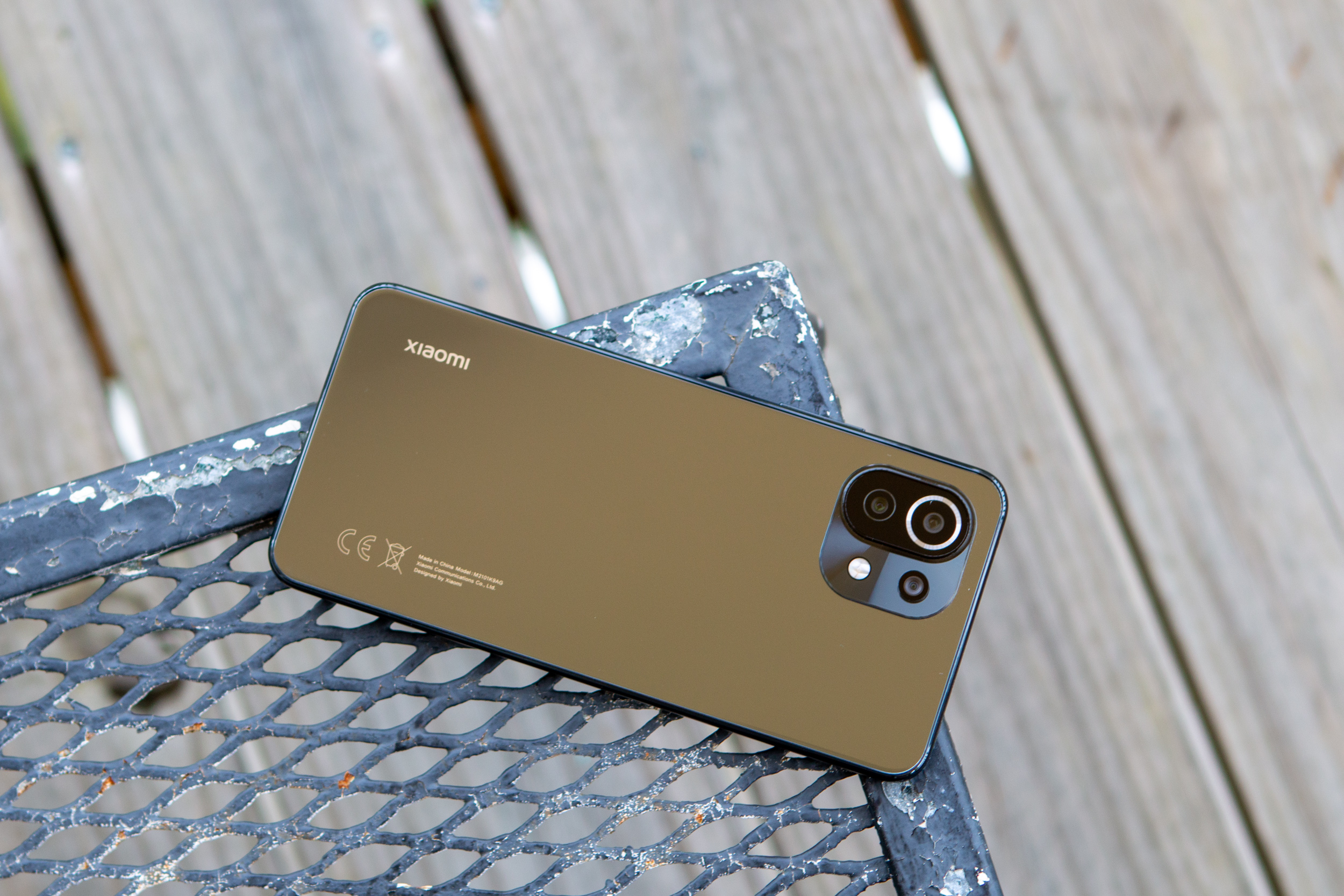
Xiaomi calls it “Redmi Titan Durability,” which sounds like marketing speak until you actually hold the thing. The fibreglass rear panel has this subtle texture that feels expensive, not slippery. Sure, the sides are plastic, but they’re finished so well you’d swear they were aluminum unless you really tap them. Gorilla Glass Victus 2 protects the front, which means you can probably skip the screen protector if you’re careful.
What really impresses me is that IP69K rating. Most phones in this price range might give you IP53 or IP54 if you’re lucky. IP69K means this thing can handle high-pressure water jets and complete dust ingress protection. I wouldn’t take it swimming, but if you get caught in a downpour or work in a dusty environment, this phone won’t flinch. It’s the kind of durability you usually only see on rugged phones costing twice as much.
A Display That Makes You Forget the Price Tag
That 6.83-inch AMOLED screen is where the Redmi Note 15 Pro Plus starts feeling like a cheat code. The 120Hz refresh rate makes everything from scrolling through social media to switching between apps feel buttery smooth. At 2772 x 1280 pixels, text looks sharp, and colors pop with that AMOLED contrast we all love.
But here’s the party trick: 3200 nits of peak brightness. I tested it outside on a sunny afternoon, and the screen remained perfectly readable. No squinting, no cupping your hand over it. That brightness number in the table above isn’t just a spec sheet bullet point, it changes how you use the phone in real life. The bezels are a bit thicker than what you’d see on flagships, and there’s a subtle curve at the edges that reminds me of those classic 2.5D screens, but honestly, once you’re watching content or playing games, you stop noticing.
Performance That Handles Real Life
Powering everything is Qualcomm’s Snapdragon 7s Gen 4. Now, let’s be clear: you’re not getting Snapdragon 8 Gen 3 benchmark scores here. But that’s missing the point. What you get is smooth performance for everything normal people actually do with their phones.
I spent a day using it as my main device: messaging, email, social media, some light gaming, YouTube, and camera use. Not once did it stutter or feel slow. With up to 12GB of RAM (seriously, in a budget phone!), apps stay in memory beautifully. The 512GB storage option means you can download all the movies, music, and photos you want without constantly managing space.
The only hiccup? Hyper OS 2 comes with what feels like every app Xiaomi could possibly pre-install. The good news is you can remove most of them. After about 15 minutes of cleanup, I had a clean interface that felt responsive and modern.
Cameras That Surprise You
Here’s where budget phones usually show their budget roots, but the Redmi Note 15 Pro Plus has other ideas. That 200MP main camera uses pixel binning to combine multiple pixels into one larger, more light-sensitive pixel. The result? Photos that look detailed and vibrant in good light, and surprisingly decent in low light.
I took some evening shots around the city, expecting the usual noisy, blurry mess budget phones produce in dim conditions. Instead, I got usable photos with decent color and acceptable noise levels. The 8MP ultra-wide gives you flexibility for landscapes or group shots, while the 32MP front camera handles selfies and video calls with more detail than most people need.
Video tops out at 4K at 30 frames per second on the main camera, which is perfectly fine for capturing memories. The front camera does 1080p, which is standard for this price range. You’re not getting the cinematic video capabilities of a $1,000 phone, but you’re getting more than enough for social media and personal archives.
The Battery That Changes Your Habits
Let’s talk about that 6500mAh battery. In the world of smartphones, this isn’t just big, it’s massive. For context, most flagships hover around 4500-5000mAh. The OnePlus 15R made waves with its battery life, but the Redmi Note 15 Pro Plus takes it to another level.
I used this phone heavily for two days straight without reaching for a charger. Heavy means constant messaging, about three hours of screen time each day, Bluetooth connected to headphones, location services on, and camera use. When I finally did need to charge, the 100W charging brought it from 15% to full in about 30 minutes. That combination of massive capacity and ultra-fast charging means you stop worrying about battery life altogether.
Software That Needs a Little Love
Hyper OS 2 is Xiaomi’s latest interface layer on top of Android. It’s clean, it’s modern, and it has some genuinely useful features. The animations are smooth, the customization options are extensive, and overall it feels polished.
But here’s the thing about Xiaomi’s software: it comes with what the industry politely calls “monetization opportunities.” Translation: pre-installed apps and occasional ads in system apps. The good news is you can turn most of this off. The better news is that once you do, you have a clean, fast Android experience that should get regular updates given Xiaomi’s recent track record.
The Value Proposition That Makes Sense
Here’s what strikes me after using the Redmi Note 15 Pro Plus: we’ve reached a point where budget phones don’t feel like compromises anymore. The build quality rivals phones costing twice as much. The display is bright and smooth enough for anyone but the most demanding users. The performance handles everything normal people do. The cameras are surprisingly capable. And the battery life is literally game-changing.
When you compare this to premium phones facing supply constraints and sky-high prices, the value equation becomes almost laughable. Xiaomi hasn’t announced pricing yet, but if it follows the pattern of previous Redmi Note Pro Plus models, it should land in that sweet spot where you get about 80% of the flagship experience for 40% of the price.
The Redmi Note 15 Pro Plus represents something important in the smartphone world: the democratization of good technology. You no longer need to spend a fortune to get a phone that feels premium, performs well, and lasts all day. Xiaomi’s global expansion with the Redmi Note 15 series means more people get access to this kind of value, and that’s good for everyone except maybe the companies charging $1,000 for their flagships.
If you’re in the market for a new phone and don’t want to mortgage your house to pay for it, the Redmi Note 15 Pro Plus deserves your attention. It’s proof that budget phones have grown up, and they’re not playing nice with the expensive kids anymore.