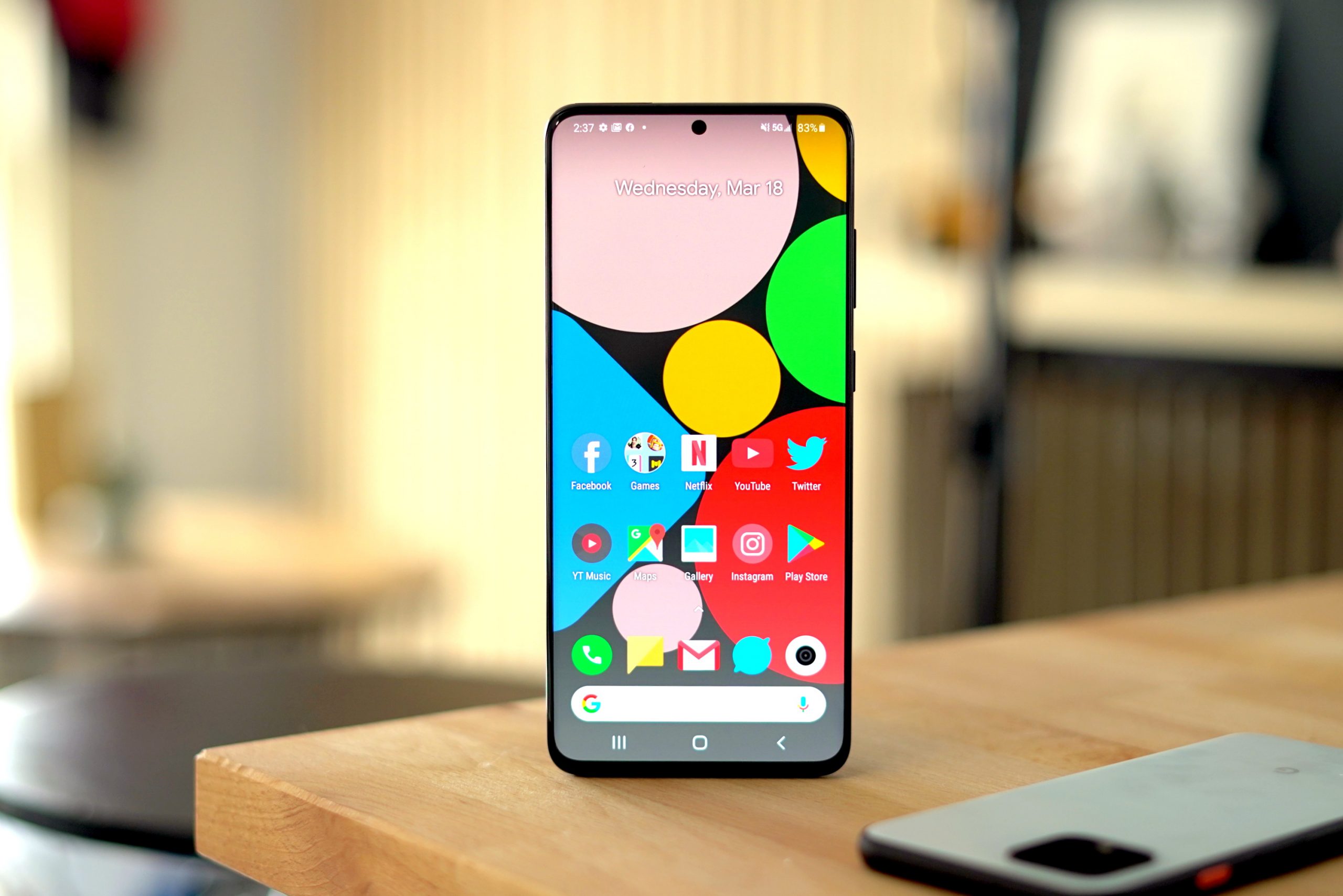
Remember when picking up a Pixel phone felt like holding pure Android magic? The satisfying click of the power button, the buttery smooth 120Hz display scrolling under your thumb, those precise haptic vibrations that made every interaction feel intentional. For years, Google’s Pixel lineup delivered what many considered the definitive Android experience, clean software married to thoughtful hardware. But something’s changed recently, and longtime Pixel enthusiasts are speaking up with a unified message: we want our simpler phones back.
The AI Overload Problem
Google has gone all in on AI, baking its Gemini assistant and machine learning features into nearly every corner of the Pixel interface. On paper, it sounds fantastic, more intelligent automation and helpful suggestions. In practice, many users are finding it adds friction instead of removing it. The technical implementation matters here. When you tap the familiar G pill at the bottom of your screen, expecting the snappy Google search overlay, you’re now greeted with a full screen Gemini page that sometimes stutters to load. That split second delay might not sound like much, but when you’re trying to quickly look something up, it breaks the flow.
Think about editing a screenshot. You used to capture, tap edit, and make your adjustments. Now AI tools interject, offering to summarize or analyze the content, adding extra taps to bypass features you didn’t ask for. There’s even a dedicated AI button occupying prime real estate where users expect traditional search. This AI integration push represents a fundamental shift in how Google views its phones, not just as communication devices but as platforms for its artificial intelligence ambitions.
When Features Become Friction
The frustration is palpable across Reddit threads and tech forums. One viral post titled “Does anyone feel like AI is ruining the Pixel experience?” gathered hundreds of upvotes and comments from users who feel their phones have become slower and more annoying to use. Some describe the phenomenon as “slopification,” where each update seems to prioritize flashy AI tricks over core stability and speed.
Here’s a common scenario: you’re rushing to catch a train, battery at 25 percent, and you need to quickly check your next departure. Instead of the instant response you’re used to, your Pixel hesitates, launching into an AI summary mode you didn’t request. Or consider the camera, once praised for its computational photography that just worked. Now between shots, AI suggestions pop up, asking if you want to enhance or alter your photos in ways that feel intrusive rather than helpful.
These aren’t isolated complaints. The sentiment echoes a broader user experience backlash happening across the Android ecosystem, though Pixel owners feel it most acutely since Google controls both the hardware and software integration.
The Battery and Performance Trade Off
From a technical standpoint, all this AI processing doesn’t come free. On device machine learning models require processor cycles and memory bandwidth. While Google’s Tensor chips are designed with AI acceleration in mind, there’s still a computational cost that can impact everyday performance and battery life. Users report that disabling AI features through settings like turning off AI Core and Android System Intelligence can noticeably improve responsiveness.
This creates a strange paradox. You’re buying a phone with cutting edge AI hardware, then turning those features off to make the device feel faster. The battery life equation gets complicated too. Background AI processing for features like auto summaries and smart replies consumes power, potentially shortening the time between charges. For people who valued Pixels for their reliable all day endurance, this represents a step backward.
Google has been working to address some performance concerns, recently rolling out a quick software update aimed at improving battery life and touch responsiveness. But these patches feel like bandaids on a deeper philosophical divide about what makes a good phone experience.
The Industry Context and User Exodus
Google isn’t alone in facing this criticism. Samsung’s Galaxy AI features are generating similar frustration among some users who feel basic functionality is being compromised for AI demonstrations. Across the industry, there’s a tension between marketing departments eager to showcase AI capabilities and engineering teams trying to maintain stable, predictable performance.
What’s particularly telling is where some disillusioned Pixel owners are looking next. Rather than chasing the latest AI heavy flagships, many are expressing nostalgia for older models like the Pixel 7, or even considering switches to brands that prioritize simplicity and speed. There’s growing appreciation for phones that excel at the fundamentals, calling, messaging, browsing, and photography without constant AI interruptions.
This sentiment reflects a broader maturation in the smartphone market. After years of chasing spec sheet victories and gimmicky features, a segment of users is pushing back, asking for refinement over revolution. They want their phones to disappear into the background of their lives, reliable tools rather than attention demanding platforms.
Finding Balance in a Smartphone World
The current moment presents an interesting challenge for Google and other manufacturers. AI undoubtedly offers transformative potential for mobile devices, from improved photography to more natural voice interactions. But implementation matters enormously. Features need to feel helpful rather than intrusive, fast rather than sluggish, optional rather than mandatory.
For now, many Pixel fans are taking matters into their own hands, digging through settings menus to disable what they can, or simply learning to work around the AI centric design. Some are holding onto older devices, while others are exploring the growing conversation about whether smartphone innovation has lost its way.
The ultimate test will be whether Google listens to this feedback. Can they find a way to integrate AI that enhances rather than complicates the Pixel experience? Or will the push for artificial intelligence create a permanent divide between users who want cutting edge features and those who just want a fast, reliable phone that gets out of their way? For now, the longing for simpler Pixels speaks volumes about what many users truly value in their daily technology companions.