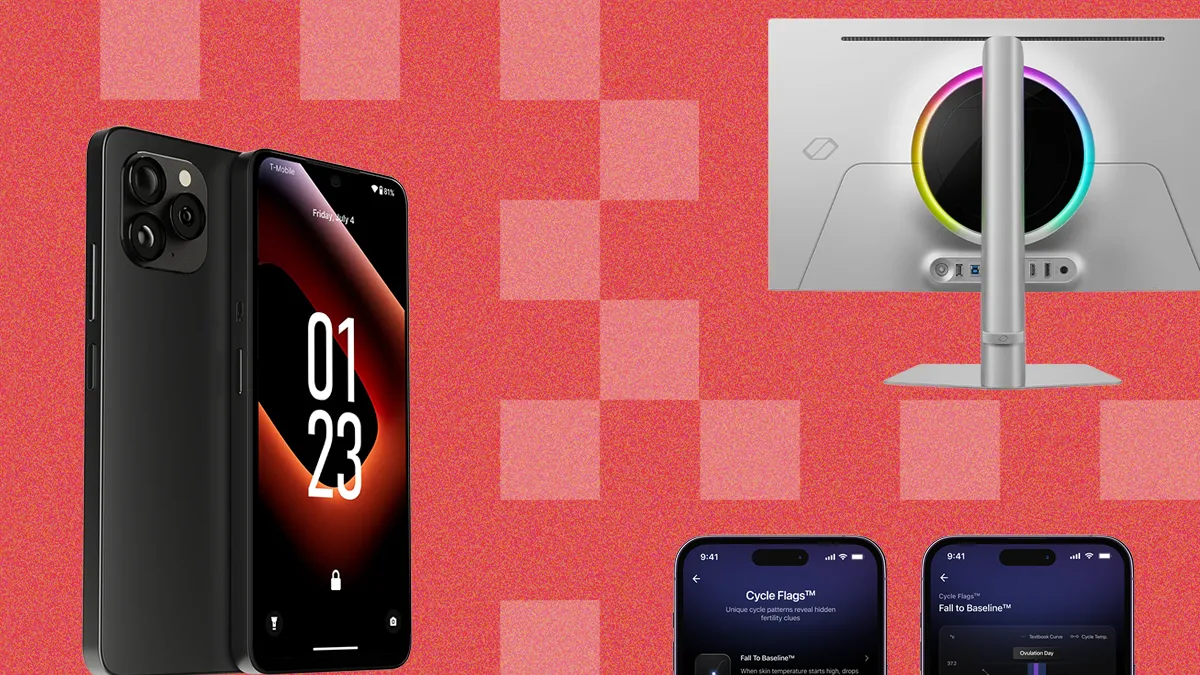
There’s something special about picking up a Pixel phone. The satisfying click of the power button, the buttery smooth 120Hz display scrolling under your thumb, the precise haptic feedback that makes every interaction feel intentional. For years, Google’s Pixel lineup represented the purest Android experience, a marriage of thoughtful hardware and streamlined software that just worked. But lately, something’s changed. A growing chorus of Pixel owners are speaking up, and their message is clear: they want their simpler phones back.
The AI Integration That Crossed the Line
Picture this: you’re trying to quickly edit a screenshot before sending it to a colleague. On older Pixels, it was a straightforward process. Now, you’re navigating through layers of AI suggestions, automatic summaries, and editing tools that feel more like obstacles than helpers. That dedicated AI button where the Google search pill used to be? It launches into a full screen Gemini interface that can feel laggy, adding precious seconds to what should be an instantaneous action.
This isn’t just about minor inconveniences. Long time Pixel fans describe a phenomenon they’re calling the “slopification” of their experience. Features that were once quick and responsive now come with delays, extra taps, and cognitive overhead. The very things that made Pixel phones feel premium, the fluid animations and immediate responsiveness, are being compromised by AI features that prioritize engagement over efficiency.
The frustration has grown loud enough to become the great AI backlash across tech forums and Reddit communities. One viral thread titled “Does anyone feel like AI is ruining the Pixel experience?” has gathered hundreds of upvotes and comments from users who say they’d prefer their Pixel 7 over newer AI heavy models.
Not Just a Pixel Problem
While Pixel users are feeling the brunt of Google’s AI first strategy, they’re not alone. Samsung’s Galaxy AI is creating similar frustrations for some Galaxy owners. Across the Android ecosystem, there’s a growing tension between manufacturers pushing on device AI capabilities and users who just want reliable, fast phones that don’t get in their way.
The issue touches on fundamental questions about what makes a good smartphone experience. Is it having the latest AI tricks that can summarize articles or generate images? Or is it about having a device that wakes up instantly, takes photos without hesitation, and lasts through a full day of use without constantly hunting for chargers?
For many longtime Android enthusiasts, the answer is becoming clear. They’re prioritizing fundamentals like battery life, camera reliability, and software stability over AI features that often feel more like marketing checkboxes than genuine improvements. This shift in consumer sentiment represents a significant challenge for Google and other manufacturers who’ve bet heavily on AI as their primary differentiator.
The User Rebellion and Workarounds
So what are frustrated Pixel owners doing about it? Some are taking matters into their own hands by diving deep into Settings and disabling everything they can. AI Core, Android System Intelligence, Gemini suggestions, they’re turning it all off in search of that cleaner, faster experience they remember.
Others are considering more drastic measures. There’s talk of switching brands entirely, moving to phones that feel less “AI first” and more focused on the basics. For a company that built its reputation on understanding user experience, this represents a potentially serious misstep.
Interestingly, Google has been addressing other performance issues with recent Pixel updates aimed at improving battery life and touch responsiveness. These patches show the company is aware of performance concerns, even as they continue pushing AI features that some users feel are causing the problems in the first place.
The situation has become so pronounced that Google has had to issue quick fixes for Pixel battery and touch issues, acknowledging that the software experience needs polishing even as new AI capabilities are layered on top.
The Tension Between Innovation and Usability
Here’s the core dilemma facing Google and the smartphone industry at large. AI represents the next frontier of mobile computing, with legitimate potential to transform how we interact with our devices. But that transformation needs to happen in a way that feels additive rather than intrusive, helpful rather than hindering.
The current implementation on recent Pixels often feels like it’s solving problems users didn’t have while creating new ones they definitely notice. That lag when opening Gemini, the extra steps in previously simple workflows, the constant suggestions that can feel more like distractions than assistance.
For users who remember the simpler Pixel experience of just a few generations ago, the current direction feels like a step backward. They’re not anti innovation or opposed to AI in principle. They just want it implemented in a way that respects the fundamentals of good smartphone design.
The haptics should still be precise. The display should still be fluid. The camera should still capture moments without hesitation. These are the things that made people love Pixel phones in the first place, and they’re the things that risk being lost in the rush to AI enable everything.
Looking Forward
The conversation happening in Pixel communities right now represents more than just user complaints. It’s a referendum on what matters in a smartphone, and a warning to manufacturers about how quickly goodwill can erode when core experiences are compromised.
Google finds itself in a challenging position. The company is clearly committed to its AI everywhere strategy, viewing it as essential to the future of computing. But that future needs to be built on a foundation of excellent basic functionality. Users shouldn’t have to choose between innovative features and a phone that feels fast and reliable.
The solution likely lies in better integration, smarter defaults, and giving users more control over how deeply AI penetrates their daily experience. Features should enhance rather than replace existing workflows. Performance should be non negotiable, not sacrificed on the altar of AI capabilities.
For now, the longing for simpler Pixel phones serves as an important reminder. In the race to build the smartest phones, we shouldn’t forget to build the best ones. The ones that feel great in hand, respond instantly to touch, and disappear into the background of our lives rather than constantly demanding our attention with AI suggestions we didn’t ask for.
The Pixel’s identity was built on thoughtful design and pure Android experience. As Google navigates this AI infused future, finding balance between innovation and usability will determine whether that identity remains intact or gets lost in the algorithm.